

Learn more about PCOD Weight Loss and how it relates to women's health and PCOS management.
Read more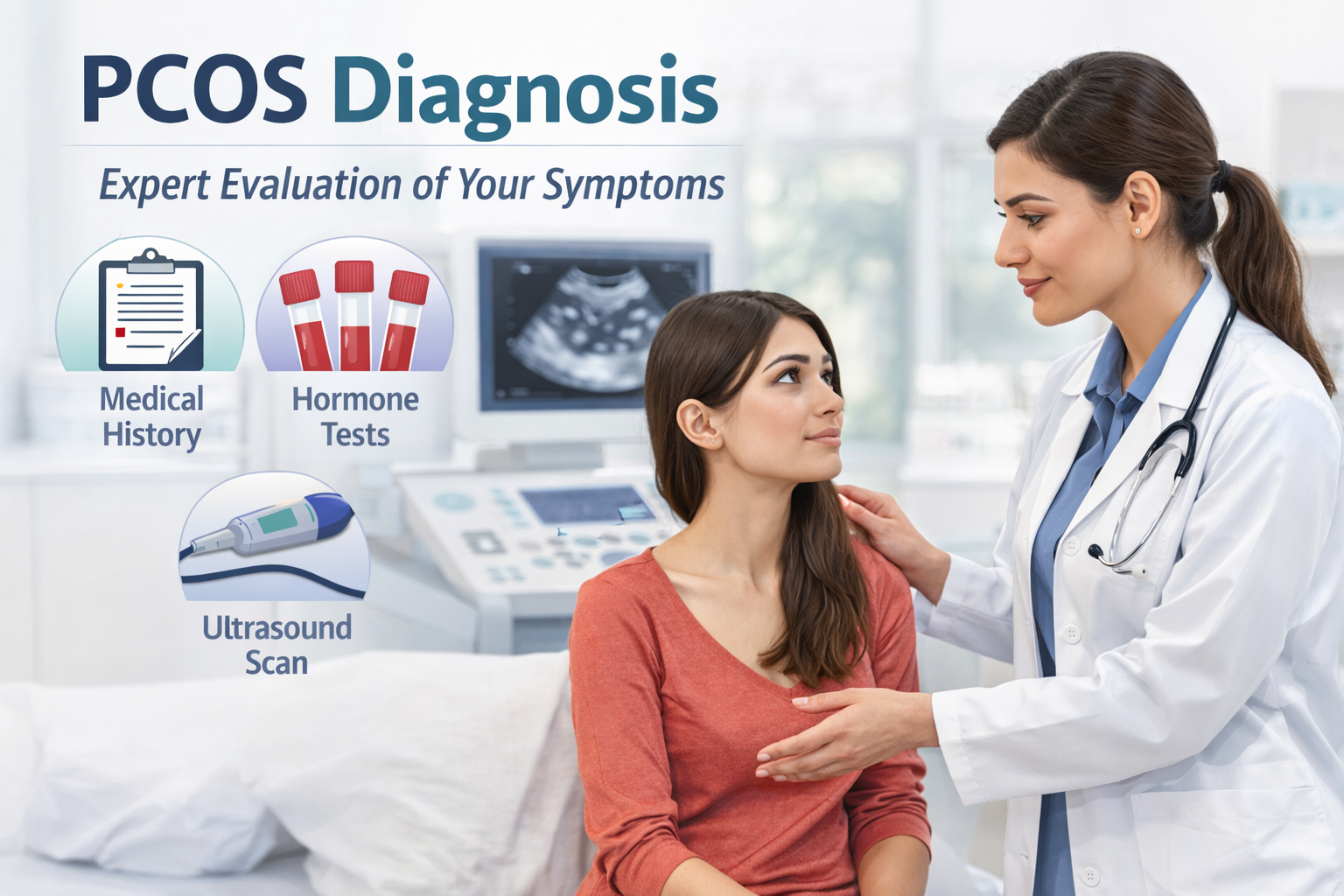
PCOS Diagnosis: How Doctors Confirm Polycystic Ovary Syndrome
Published - Apr 08, 2026 | Last Updated: 08 Apr, 2026
Published by: PCOS FERTICURE CLINIC
- Understand how PCOS is diagnosed using symptoms, menstrual history, hormone evaluation, ultrasound findings and exclusion of other medical conditions.
- Learn which tests may be advised for irregular periods, acne, weight gain, unwanted hair growth, infertility, insulin resistance and long-term metabolic health.
- Know what to expect during a proper PCOS assessment so you can seek timely care and avoid delays in treatment, fertility planning and lifestyle management.
A clear diagnosis is the first step toward better periods, healthier hormones, improved skin, balanced weight and fertility planning.
Explore Topics Covered in This PCOS Diagnosis Guide
What Is PCOS and Why Diagnosis Matters
When Should You Suspect PCOS
How Doctors Diagnose PCOS
Menstrual and Ovulation History
Hormone Tests for PCOS
Ultrasound and Imaging
Conditions That Mimic PCOS
Metabolic Assessment in PCOS
PCOS Diagnosis in Teenagers
What Happens After Diagnosis
When to See a Gynecologist
Conclusion
1. What Is PCOS and Why Diagnosis Matters
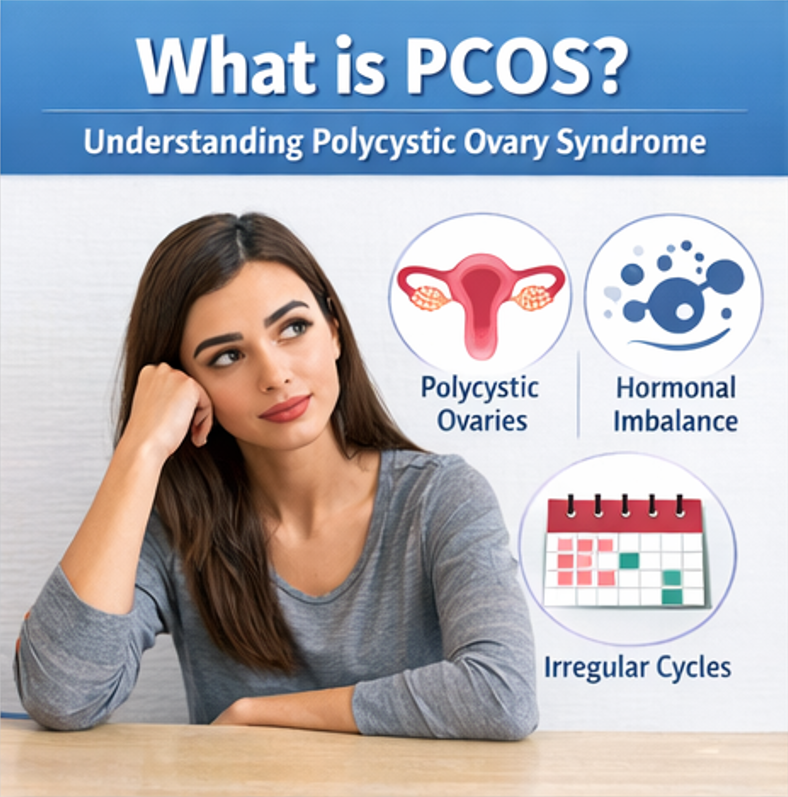
Understanding PCOS in simple terms
Polycystic Ovary Syndrome, or PCOS, is a common hormonal condition that affects many women during the reproductive years. It does not look the same in every person. Some women mainly struggle with irregular periods, some notice weight gain and difficulty losing weight, some develop acne or unwanted facial hair, and others first discover the problem when trying to conceive. Because the symptoms vary so much, many women remain undiagnosed for years.
PCOS is not diagnosed through one single symptom alone. A proper diagnosis usually requires a combination of clinical history, examination, blood tests and sometimes pelvic ultrasound. At PCOS Ferticure Clinic, the focus is not only on confirming the condition but also on understanding how it is affecting periods, metabolism, skin, emotional well-being and fertility.
Why early diagnosis is important
- Early diagnosis can help manage irregular periods before they become a long-term issue.
- Timely treatment can reduce the worsening of acne, hair fall and excessive hair growth.
- It allows better planning for PCOS fertility concerns if pregnancy is a future goal.
- Women with PCOS may also develop insulin resistance, unhealthy weight gain and cholesterol issues, so diagnosis helps protect long-term health.
- A proper medical explanation reduces confusion, fear and self-blame that often come with missed or delayed periods.
Many women search online for answers after noticing missed cycles, stubborn acne, mood changes or difficulty with PCOS weight loss. An online search can be a starting point, but diagnosis should be based on a careful medical evaluation rather than guesswork.
2. When Should You Suspect PCOS
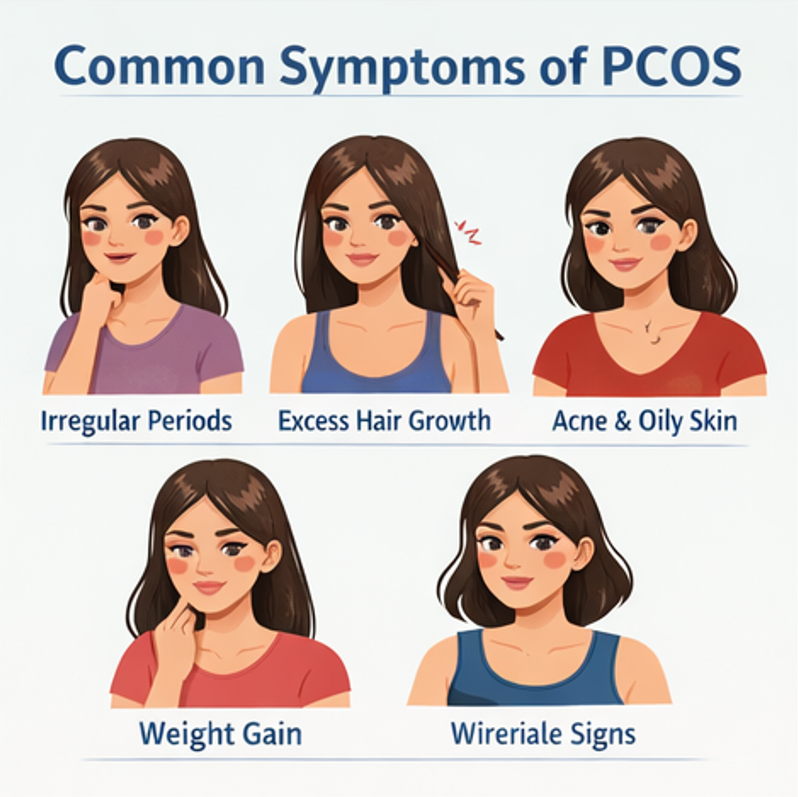
Common warning signs
PCOS is often suspected when a woman has a pattern of symptoms rather than one isolated complaint. Some symptoms are obvious, while others are subtle and slowly build over time. If you have more than one of the following issues, it is sensible to consult a gynecologist for PCOS evaluation.
- Irregular periods, delayed periods or periods that stop for months.
- Very infrequent ovulation or difficulty predicting cycles.
- Weight gain, especially around the abdomen.
- Difficulty with weight control despite effort.
- Oily skin and persistent PCOS acne.
- Unwanted facial hair, chest hair or increased body hair.
- Hair thinning from the scalp or increased hair fall.
- Trouble getting pregnant.
- Darkening of skin around the neck, underarms or groin that may suggest insulin resistance.
- Mood changes, irritability, stress and PCOS mood swings.
Symptoms teenagers and adults notice
Teenagers may first notice irregular periods, acne and increased facial hair. Adult women may present with fertility concerns, difficulty losing weight or long menstrual gaps. Some women have regular-looking cycles but still do not ovulate consistently. Others may have polycystic ovaries on ultrasound but no troublesome symptoms. This is why diagnosis must be individualized.
If your periods have never become regular, or if they were regular before and then became irregular, that change deserves attention. Similarly, acne that does not improve with normal skincare, or sudden increase in body hair, should not be ignored.
3. How Doctors Diagnose PCOS
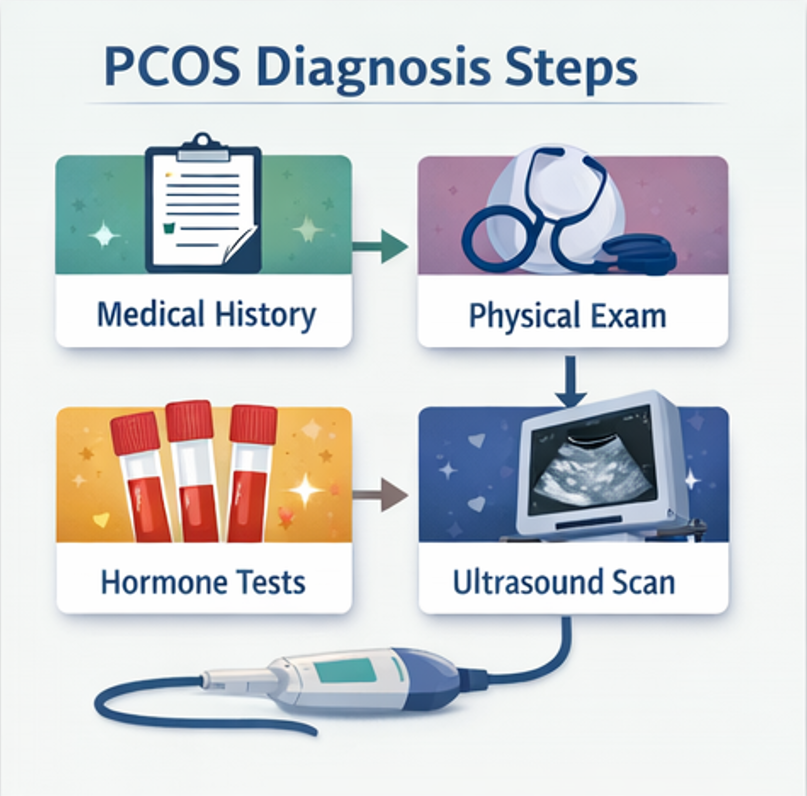
Medical history and symptom review
Diagnosis begins with listening carefully to the patient. A gynecologist will ask about cycle length, missed periods, acne, hair growth, weight changes, exercise patterns, sleep, stress, family history and fertility goals. Many women feel that these questions are unrelated, but in PCOS they often connect to the same hormonal and metabolic picture.
- Age at first period and how regular cycles have been since then.
- Recent changes in cycle pattern.
- Whether periods are very light, very heavy or prolonged.
- Whether there are signs of ovulation or premenstrual symptoms.
- History of rapid weight gain or difficult weight loss.
- Skin and hair concerns.
- Sleep quality, emotional changes and stress level.
- History of infertility or miscarriages.
Physical examination
A physical examination may include checking weight, body mass index, waist pattern, blood pressure and visible signs of androgen excess. The doctor may look for acne, facial hair, scalp hair thinning or skin darkening linked to insulin resistance. This is not just routine formality. These findings help support the diagnosis and guide the treatment plan.
Diagnosis criteria used in practice
Doctors often use recognized criteria that look for a combination of three broad features:
- Irregular or absent ovulation, often seen as irregular periods.
- Clinical or laboratory signs of excess androgens, such as acne, excess hair growth or elevated male hormone levels in blood tests.
- Polycystic ovaries on ultrasound in the right clinical setting.
Usually, a diagnosis is considered when at least two of these are present after ruling out other conditions that can mimic PCOS. This is why someone may be diagnosed even if ultrasound is normal, or may not be diagnosed only because ultrasound showed multiple small follicles.
4. Menstrual and Ovulation History in Diagnosis
Irregular periods and anovulation
One of the most important clues to PCOS is irregular ovulation. If ovulation does not happen regularly, periods may become delayed, infrequent or unpredictable. Some women may get a period only every two to three months. Others may have bleeding that is irregular but still not truly ovulatory.
Long gaps between periods matter because they can reflect hormonal imbalance and also expose the uterine lining to irregular stimulation. That is why missed periods should not be dismissed as a harmless inconvenience.
Questions a doctor may ask
- How many days are there between your periods?
- Do you skip periods for more than 35 to 40 days?
- Have your cycles always been irregular or has this changed recently?
- Do you bleed heavily after a long delay?
- Are you trying to conceive?
- Have you used hormonal tablets recently that may affect your cycle pattern?
Keeping a period calendar or tracking app can be very useful before your consultation. It helps make the diagnosis more accurate and speeds up decision-making.
5. Hormone Tests for PCOS
Important blood tests
Blood tests are often used to support diagnosis and exclude other causes. Not every patient needs exactly the same test panel, because evaluation depends on age, symptoms, whether pregnancy is desired and whether there are signs of thyroid, prolactin or metabolic issues.
- Total testosterone or related androgen markers.
- LH and FSH in selected situations.
- Prolactin.
- TSH and sometimes other thyroid tests.
- Blood sugar, fasting insulin or HbA1c depending on the case.
- Lipid profile for cholesterol and triglycerides.
- Other hormone tests if clinically needed.
What these reports may show
Hormone reports may reveal increased androgens, which support the diagnosis when symptoms like acne or facial hair are present. Thyroid problems and raised prolactin can also disturb cycles, so these should be checked because they require different treatment. Sugar and insulin-related testing are important because many women with PCOS also have insulin resistance, which influences weight, hunger patterns and long-term metabolic risk.
Blood tests do not diagnose PCOS in isolation. They are part of the bigger picture. A woman may have classic symptoms with only mild changes in reports, while another may have abnormal blood work but need further correlation before the diagnosis is confirmed.
6. Ultrasound and Imaging
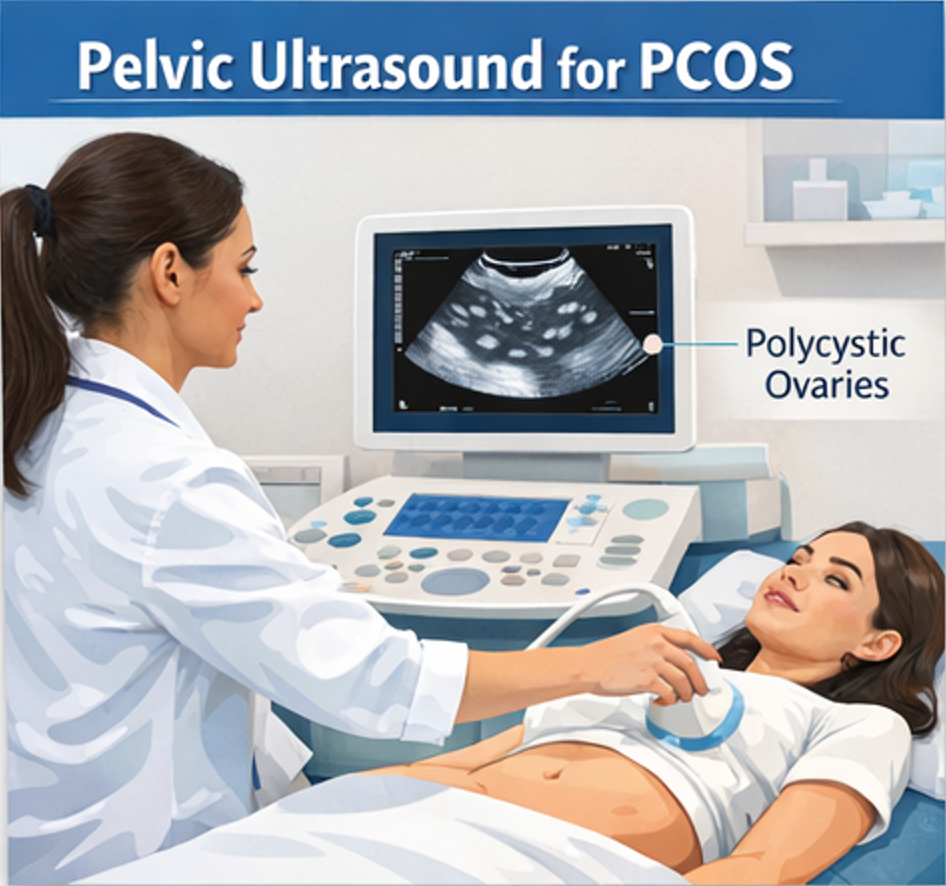
Role of pelvic ultrasound
Pelvic ultrasound may be advised to look at ovarian appearance and rule out other pelvic concerns. In PCOS, the ovaries may show multiple small follicles and increased volume. However, ultrasound should always be interpreted alongside symptoms and hormone findings.
- Ultrasound may support diagnosis but is not the only deciding factor.
- Some women without PCOS may have ovaries that look polycystic.
- Some women with true PCOS may not show classic ultrasound features, especially if already on treatment.
- In teenagers, ultrasound findings alone should be interpreted carefully.
Can PCOS be diagnosed without ultrasound
Yes, in many cases PCOS can be diagnosed without relying only on ultrasound, especially when the history strongly suggests irregular ovulation and there are clear signs of androgen excess. Ultrasound is supportive, not always essential. This is important because many women get confused when one scan report says “polycystic ovaries” and another doctor says clinical evaluation is still needed.
7. Conditions That Can Look Like PCOS
Why other causes must be ruled out
A good doctor does not label every irregular cycle as PCOS. Several other conditions can cause missed periods, acne, hair changes or infertility. Ruling them out is a very important part of responsible diagnosis.
Common differential diagnoses
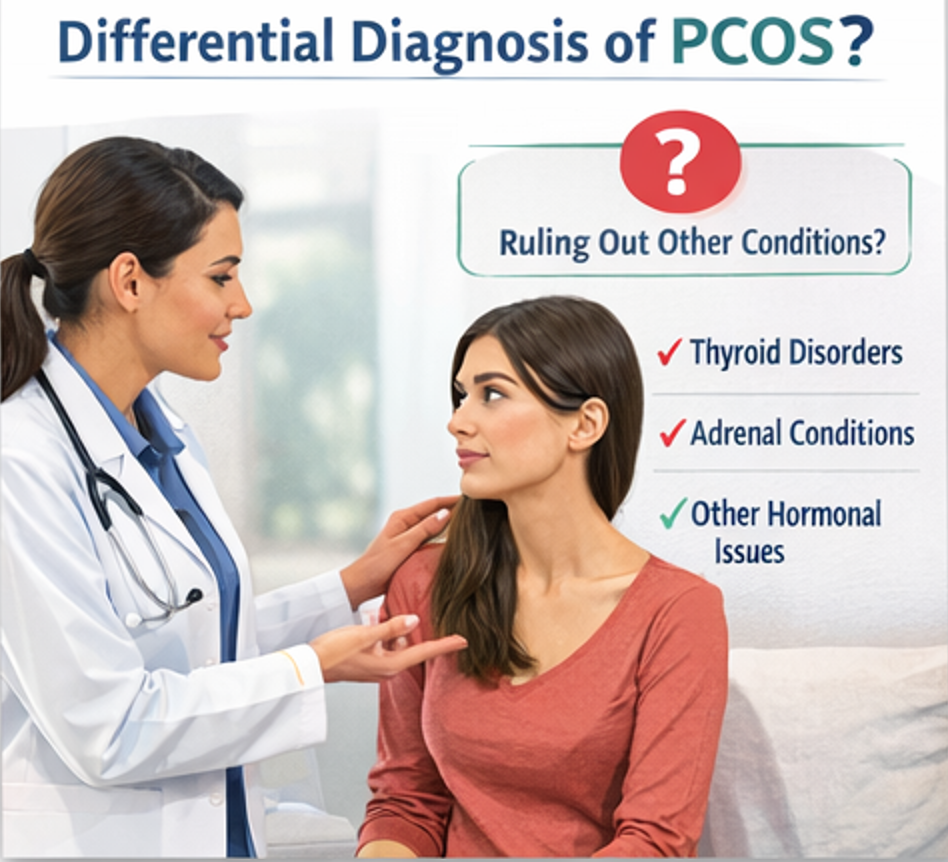
- Thyroid disorders.
- High prolactin levels.
- Stress-related menstrual disturbance.
- Significant weight loss or excessive exercise.
- Premature ovarian issues in selected patients.
- Adrenal hormone disorders in selected cases.
- Medication-related cycle changes.
- Pregnancy, which should always be considered in missed periods.
This is one reason self-diagnosis can be misleading. Similar symptoms do not always mean the same disease. Proper evaluation prevents both overdiagnosis and underdiagnosis.
8. Metabolic Assessment in PCOS
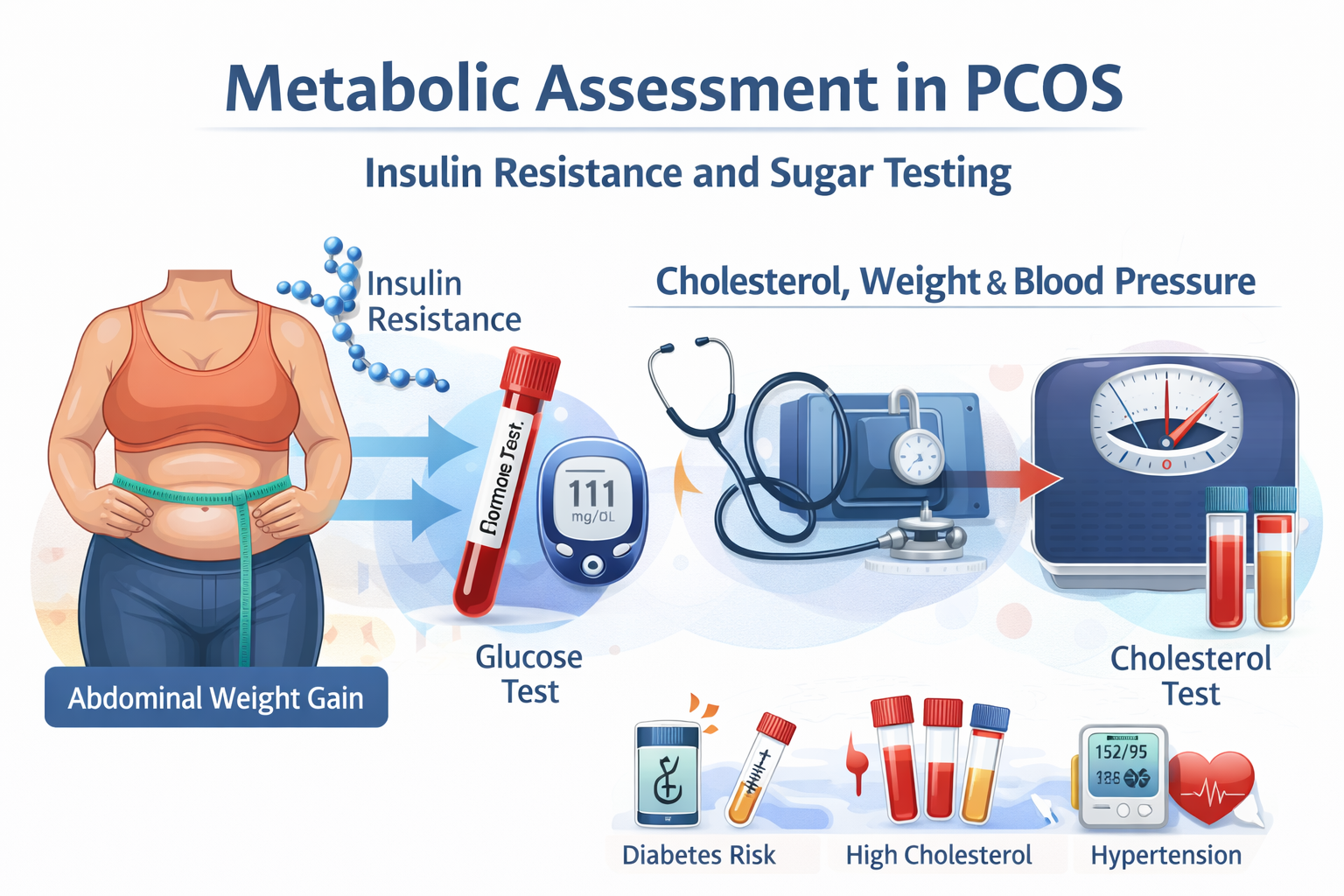
Insulin resistance and sugar testing
PCOS is not only a period problem. It is also closely linked with metabolism. Many women with PCOS have insulin resistance, which means the body does not respond efficiently to insulin. This can lead to cravings, fatigue, weight gain around the abdomen and increased risk of diabetes over time.
That is why evaluation may include tests related to sugar handling and insulin response. Even women who are not visibly overweight can have metabolic issues. This is also why a proper PCOS diet and structured lifestyle plan are important from the start.
Cholesterol, weight and blood pressure
- Weight and waist pattern help in risk assessment.
- Blood pressure should be monitored, especially in women with long-standing PCOS or obesity.
- Cholesterol testing may reveal high triglycerides or other changes.
- These findings influence treatment, long-term prevention and pregnancy planning.
A diagnosis visit is a good time to think beyond symptoms and focus on future health as well. Many women benefit when diagnosis is followed by practical advice on meals, exercise, sleep and sustainable habits rather than only medication.
9. PCOS Diagnosis in Teenagers
Why diagnosis can be tricky in adolescents
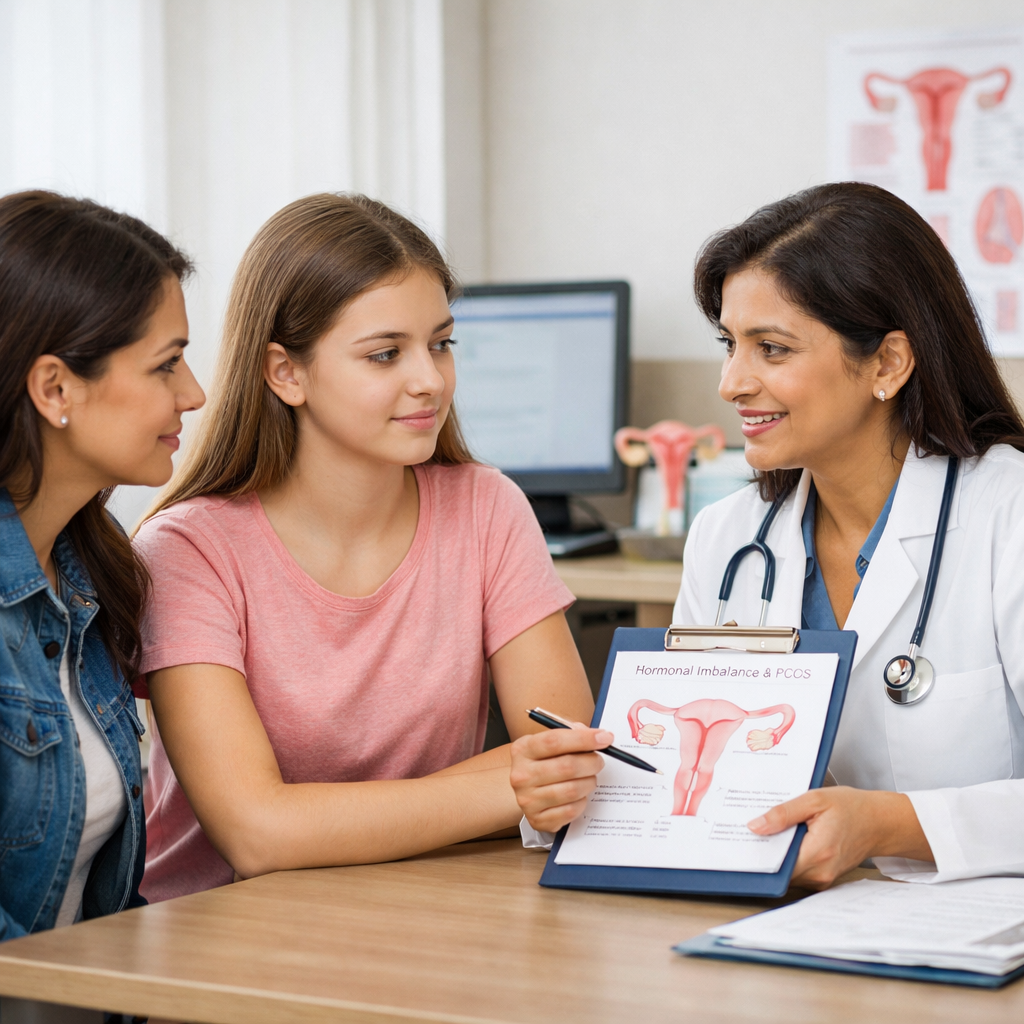
Diagnosing PCOS in teenagers needs extra caution because irregular periods can be common for some time after the first period. Acne is also common in adolescence. That means doctors should avoid making a rushed diagnosis based on one feature alone.
However, caution does not mean ignoring symptoms. If a teenager has persistently irregular cycles, significant facial hair, severe acne, rapid weight gain or strong family history, a medical review is important. Early recognition can prevent years of confusion and help build healthy habits sooner.
When evaluation should not be delayed
- Periods remain very irregular long after the initial menstrual years.
- There is severe or persistent acne not improving with routine care.
- There is visible increase in facial or body hair.
- There is rapid weight gain or signs of insulin resistance.
- There is emotional distress, poor body image or major concern about symptoms.
A supportive and non-judgmental consultation matters greatly for younger patients. Education can reduce anxiety and help families understand that PCOS management is possible.
10. What Happens After Diagnosis
Treatment planning after confirmation
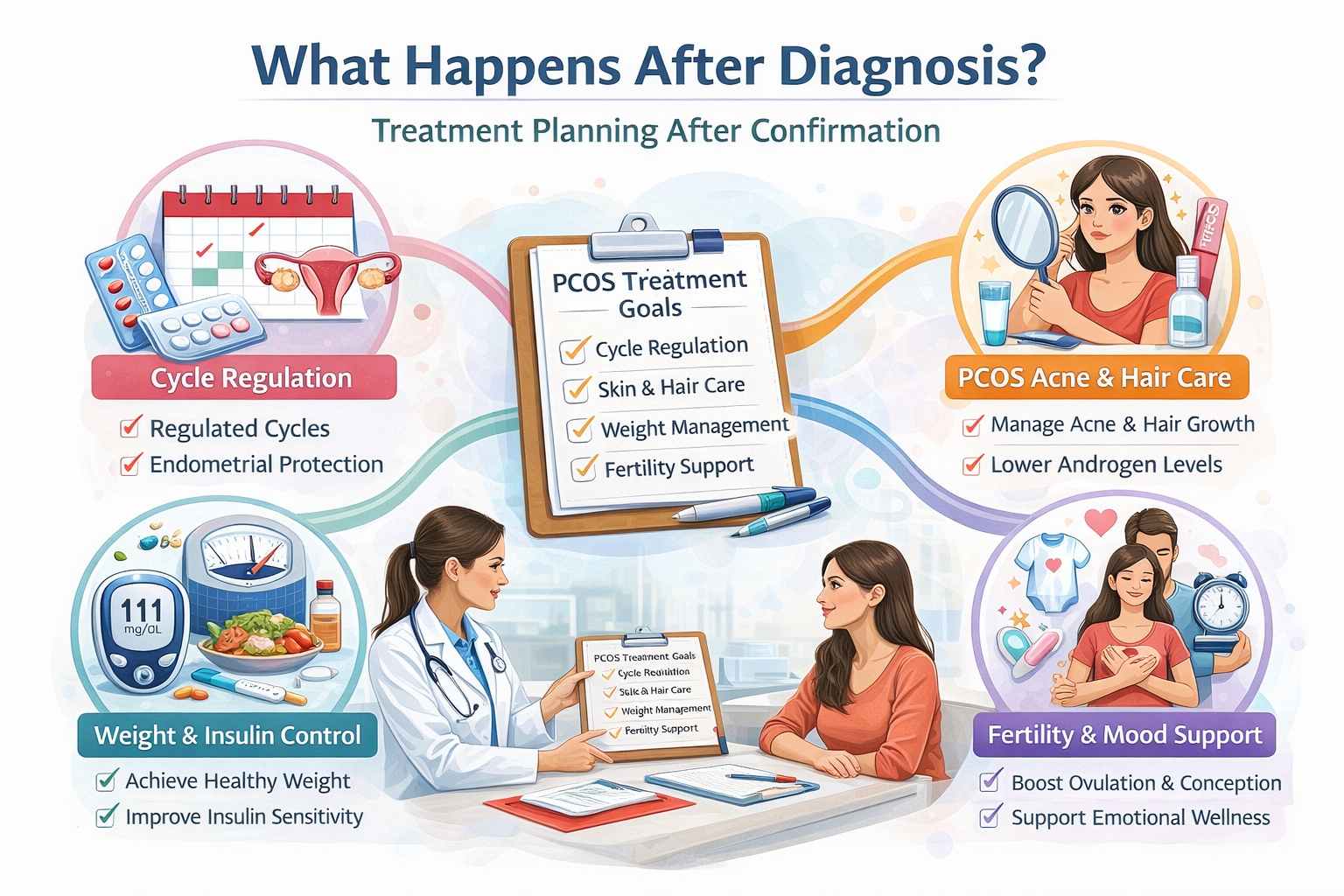
Once diagnosis is confirmed, treatment is tailored according to the patient’s main goals. A woman wanting regular periods may need a different plan from someone planning pregnancy. A teenager with acne and hair growth concerns may need a different emphasis compared with someone struggling with infertility or repeated weight fluctuations.
- Cycle regulation and endometrial protection.
- Management of acne and excess hair.
- Weight and insulin resistance management.
- Ovulation support when fertility is a goal.
- Support for emotional symptoms, sleep and stress.
Lifestyle, skin, mood and fertility goals
Most women benefit from a combination of lifestyle change and medical treatment where needed. Related topics that often need attention include:
- PCOS diet for insulin balance and better energy.
- PCOS weight loss support for women struggling with resistant weight gain.
- PCOS fertility planning for conception and ovulation support.
- PCOS acne care for skin and androgen-related changes.
- PCOS mood swings and emotional well-being support.
Diagnosis should not make you feel labeled. It should make you feel informed, supported and better equipped to improve your health.
11. When to See a Gynecologist for PCOS Evaluation
Symptoms that need attention
- You miss periods repeatedly or your cycle is consistently prolonged.
- You have acne, unwanted hair growth or scalp hair thinning along with menstrual changes.
- You are trying to conceive but your cycles are irregular.
- You have sudden weight gain, fatigue or signs of insulin resistance.
- You feel emotionally stressed due to hormonal symptoms or body image concerns.
- You have very heavy bleeding after long delayed cycles.
Questions to ask during consultation
- Do my symptoms fit PCOS or should other causes be evaluated?
- Which blood tests do I need and why?
- Do I need an ultrasound now?
- How is my weight or insulin resistance affecting my hormones?
- What can I start doing with food, activity and sleep right away?
- How will PCOS affect future fertility and pregnancy planning?
Going prepared helps make the visit more useful. Bringing previous reports, ultrasound scans and a cycle record can save time and improve clarity.
12. Conclusion
Take the next step
PCOS diagnosis is not based on one symptom, one scan or one hormone level. It is a careful process of understanding your periods, skin, weight pattern, hormones, metabolic profile and fertility needs. A proper diagnosis gives direction. It helps explain why your body has been behaving differently and what can be done to improve it.
If you have irregular periods, acne, excess hair growth, weight concerns, trouble conceiving or unexplained hormonal symptoms, do not keep waiting for things to settle on their own. A timely consultation can make treatment easier, more focused and more effective. At PCOS Ferticure Clinic, Dr. Shabnam Sharjil aims to provide clear evaluation, patient-friendly guidance and individualized management for women who want trustworthy answers about PCOS.
The right diagnosis is not just about naming the condition. It is about helping you move toward healthier periods, balanced hormones, better confidence and long-term reproductive and metabolic well-being.
Book An Appointment
Other Important Articles on Site
PCOD Weight Loss
Guide to a PCOS Diet Chart
Learn more about Guide to a PCOS Diet Chart and how it relates to women's health and PCOS management.
Read moreUnderstanding PCOS Acne
Learn more about Understanding PCOS Acne and how it relates to women's health and PCOS management.
Read morePCOS Fertility Guide
Learn more about PCOS Fertility Guide and how it relates to women's health and PCOS management.
Read moreMood Swings and Anxiety in PCOS
Learn more about Mood Swings and Anxiety in PCOS and how it relates to women's health and PCOS management.
Read morePCOS Miscarriage Causes
Learn more about PCOS Miscarriage Causes and how it relates to women's health and PCOS management.
Read morePCOS and Endometriosis
Learn more about PCOS and Endometriosis and how it relates to women's health and PCOS management.
Read moreFlax Seeds Benefits on PCOS
Learn more about Flax Seeds Benefits on PCOS and how it relates to women's health and PCOS management.
Read moreRATINGS AND REVIEWS RECEIVED ON DIFFERENT PLATFORMS
PCOS Treatment in Delhi (PCOS VIdeo Consultation:)

4.8 out of 5 (189 reviews and ratings)
PCOS Specialist in Delhi (PCOS Video Consultation:)
Practo
99% (277 reviews and ratings)
Top PCOS Doctors in Delhi (PCOS Video Consultation:)
Lybrate

4.4 (642 reviews and ratings)
PCOS Treatment for Un-Married (Polycystic Ovary Doctor In Delhi)
Just Dial
4.9 (490 reviews and ratings)
Services Provided at PCOS Ferticure Clinic
- PCOS Treatment in Delhi
- PCOS Treatment
- PCOS Symptoms and Treatment
- PCOS Treatment for Unmarried
- PCOS treatment in unmarried
- PCOS specialist doctor
- PCOS specialist in delhi
- Top PCOS Dcotor in delhi
- Which doctor to consult for PCOS
- PCOS Diagnosis In Delhi
- Book online appointment