Learn more about PRP Therapy Under Eyes and how it relates to women's health and PCOS management.
Read more

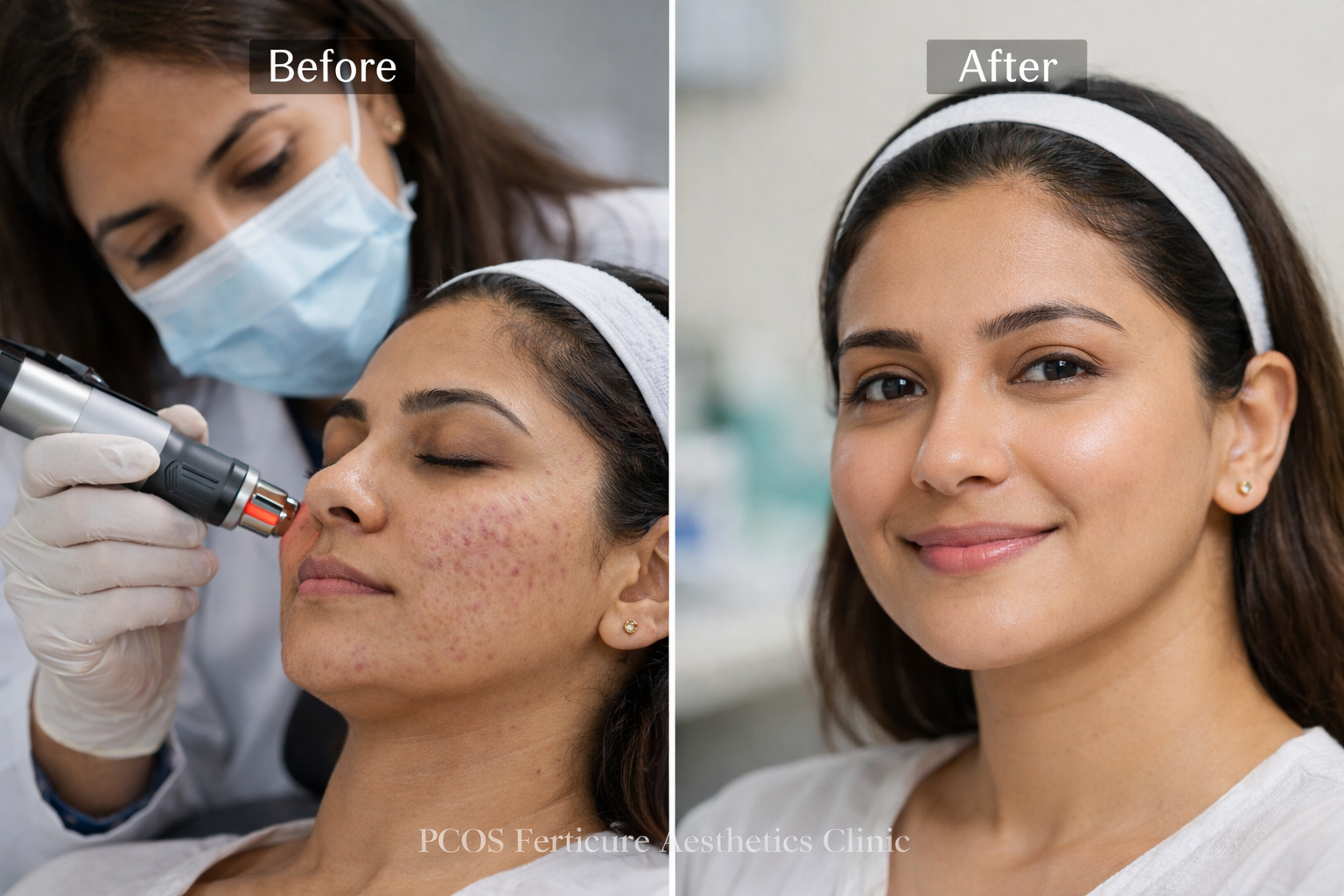

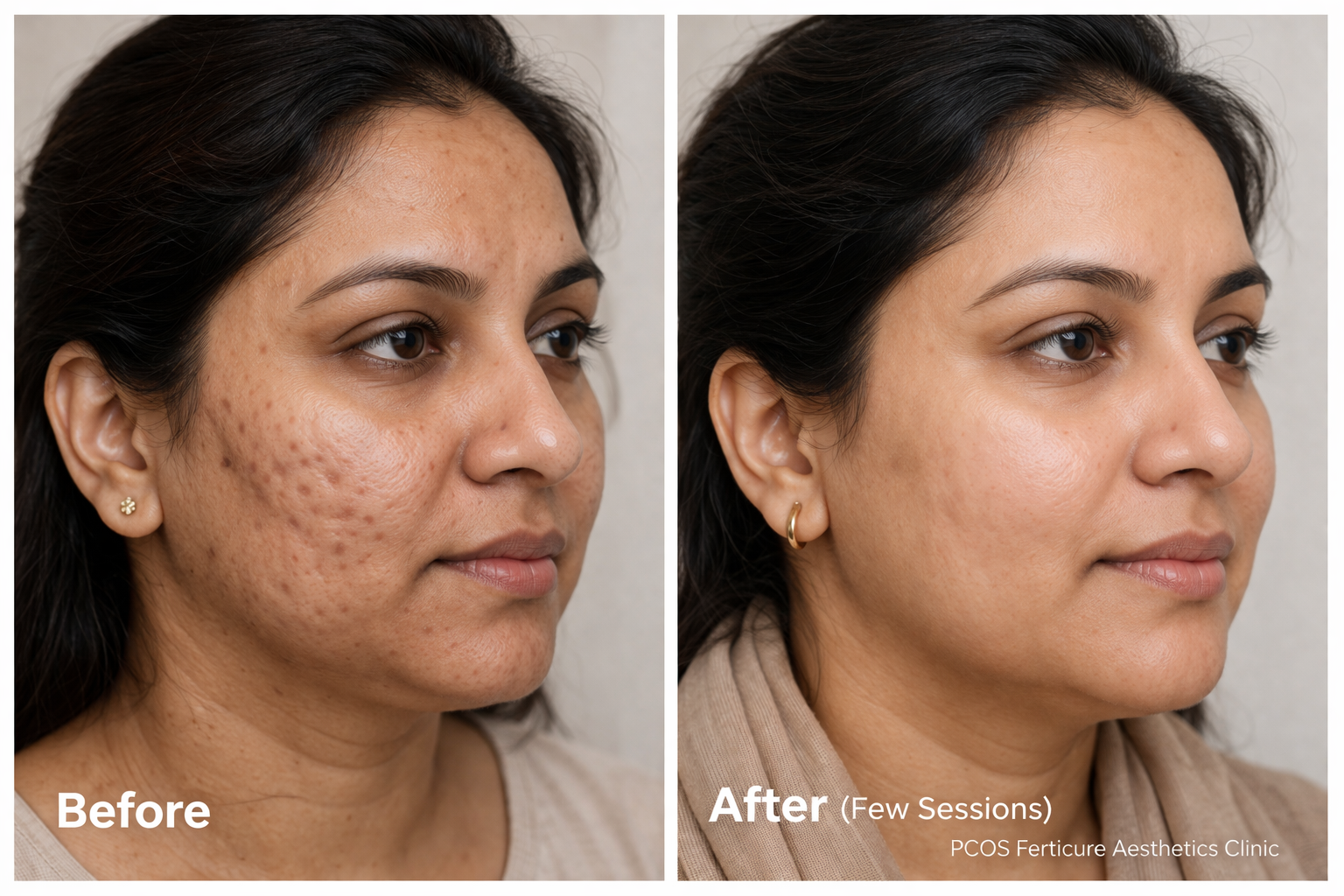
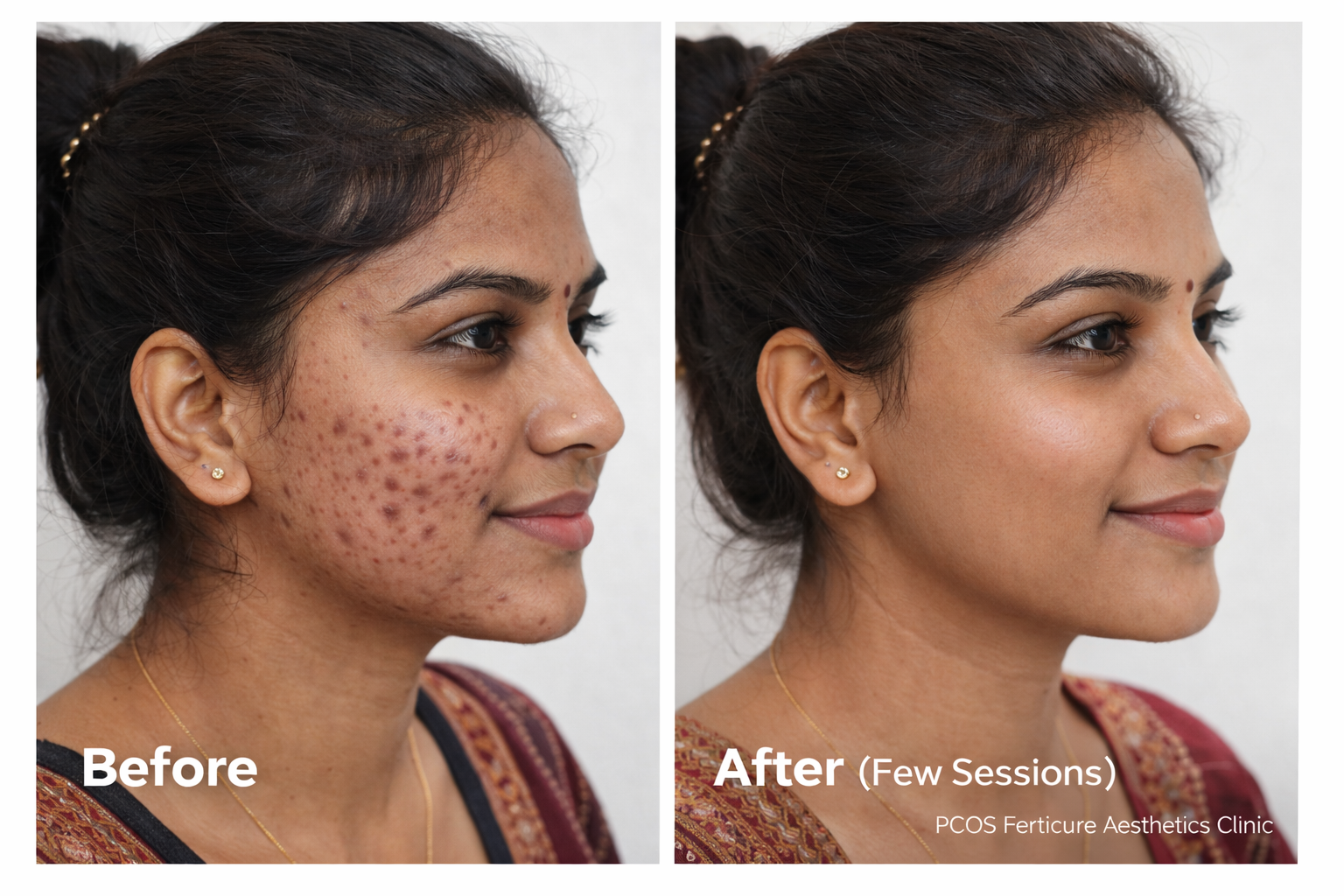
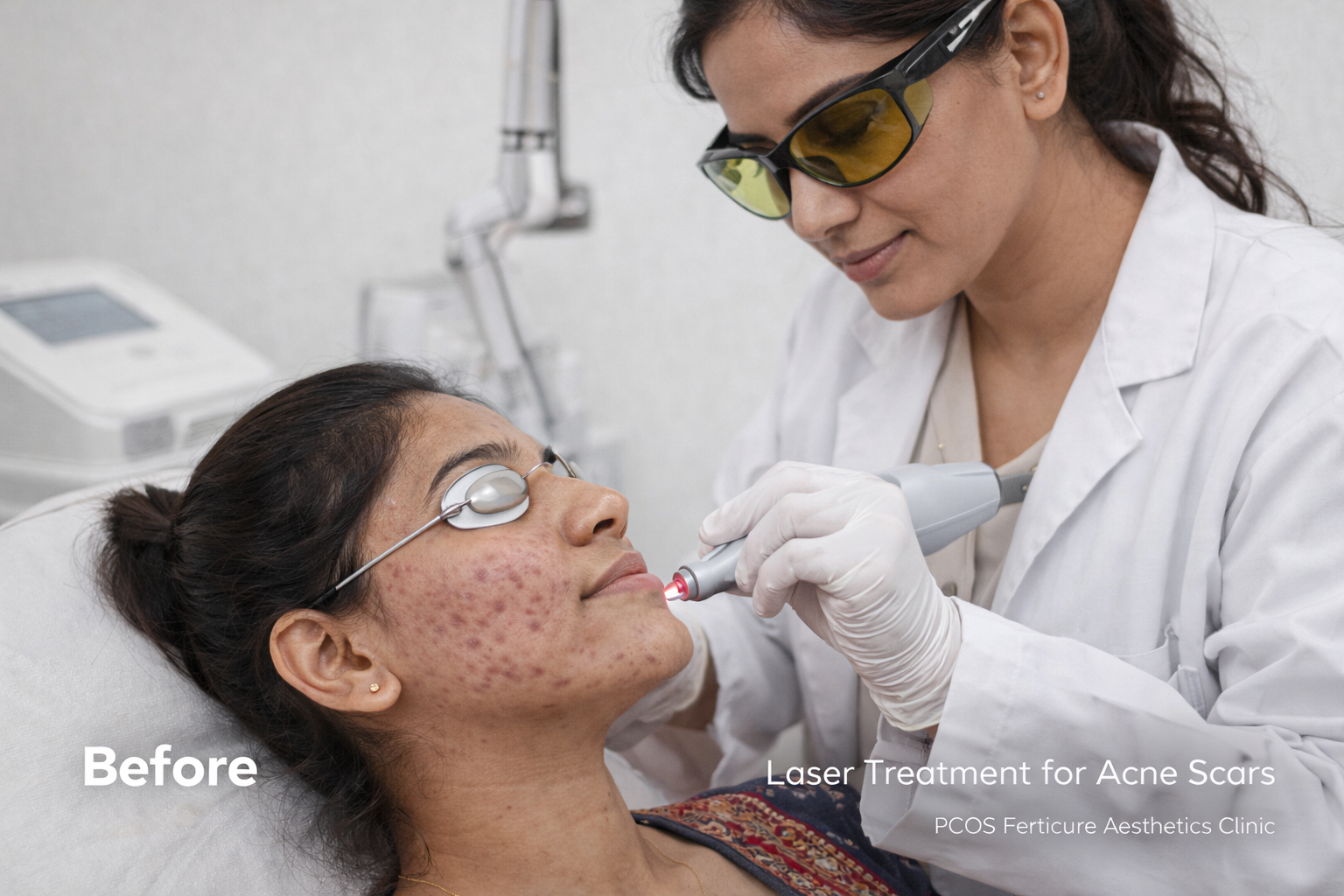
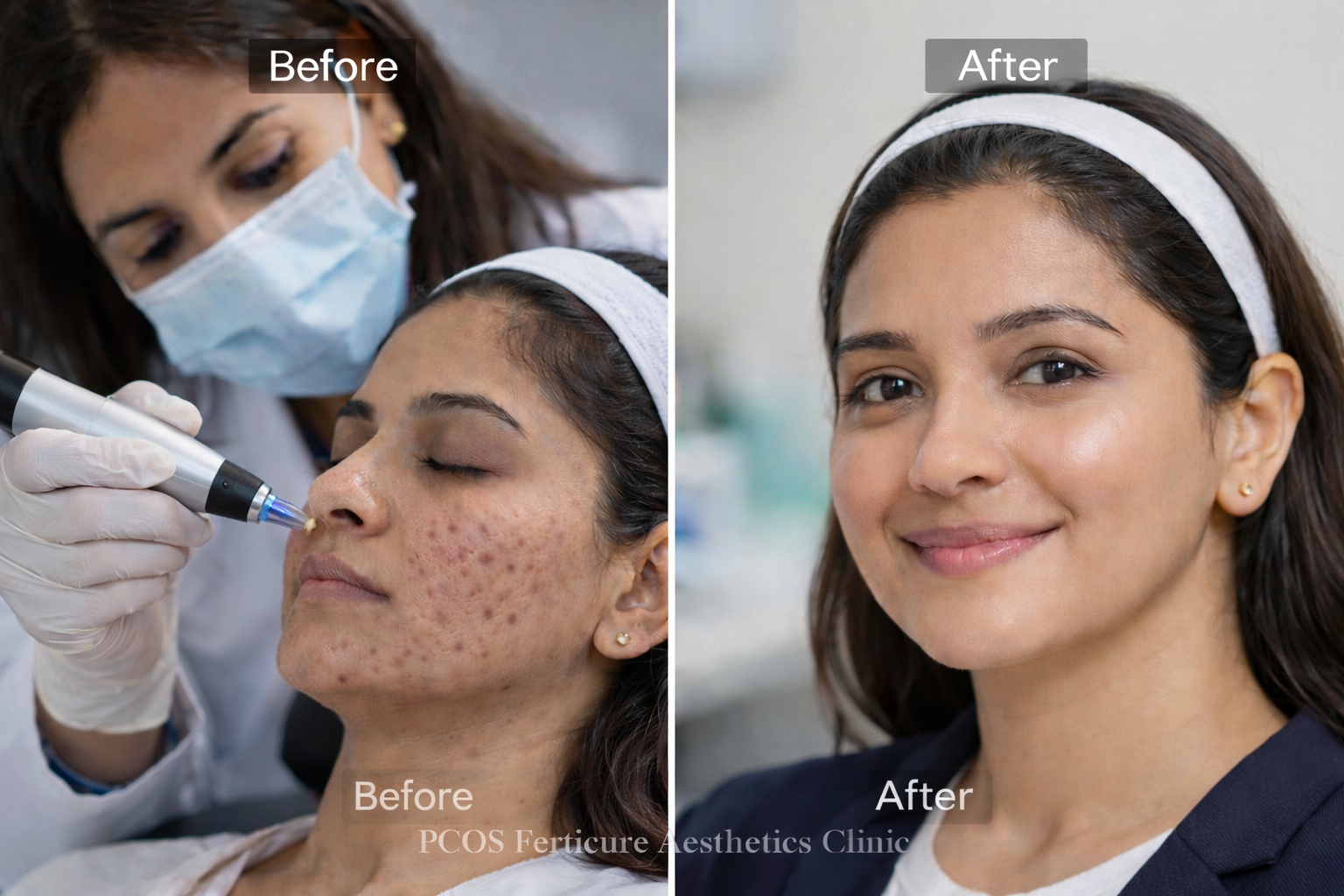
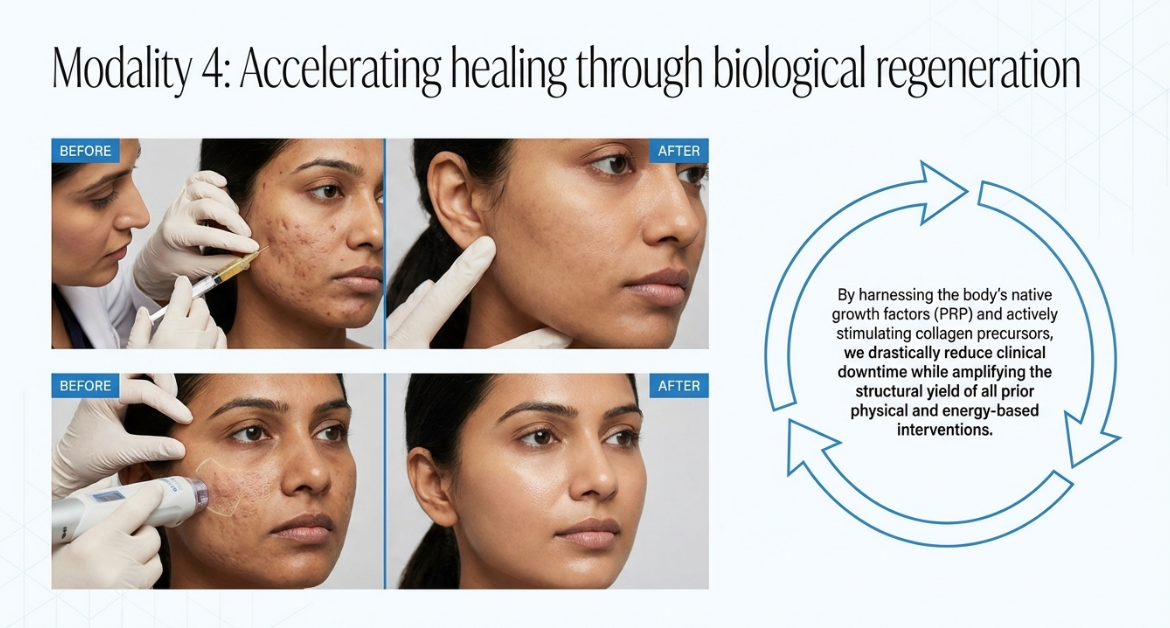
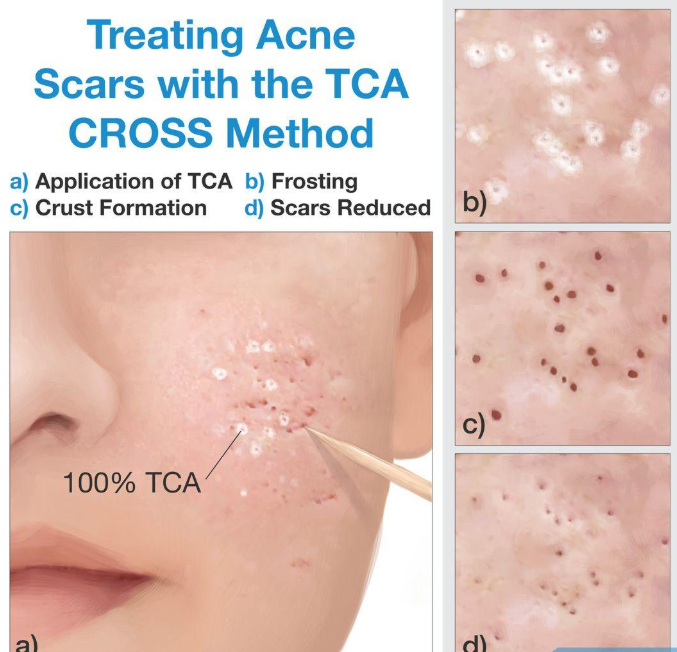

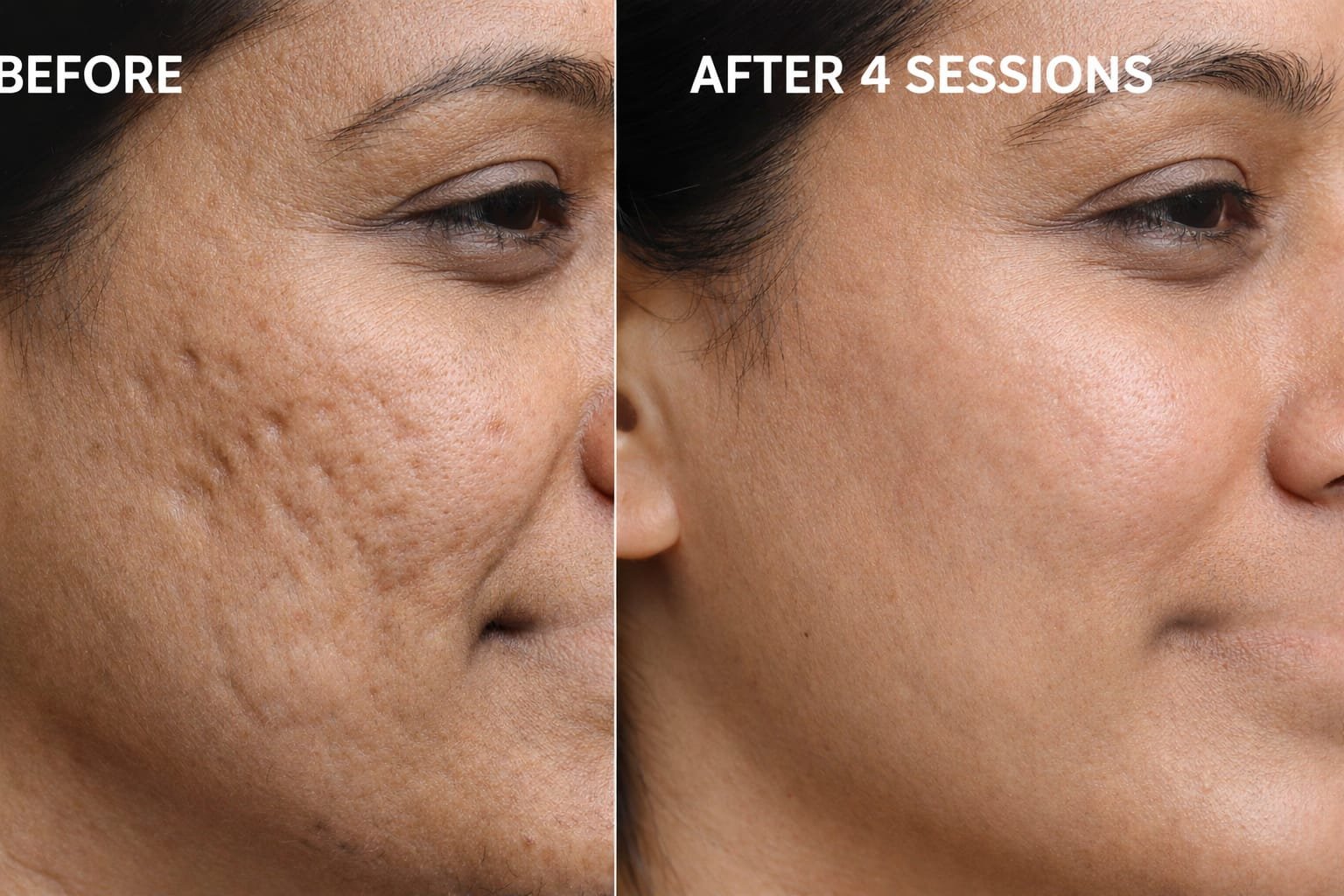
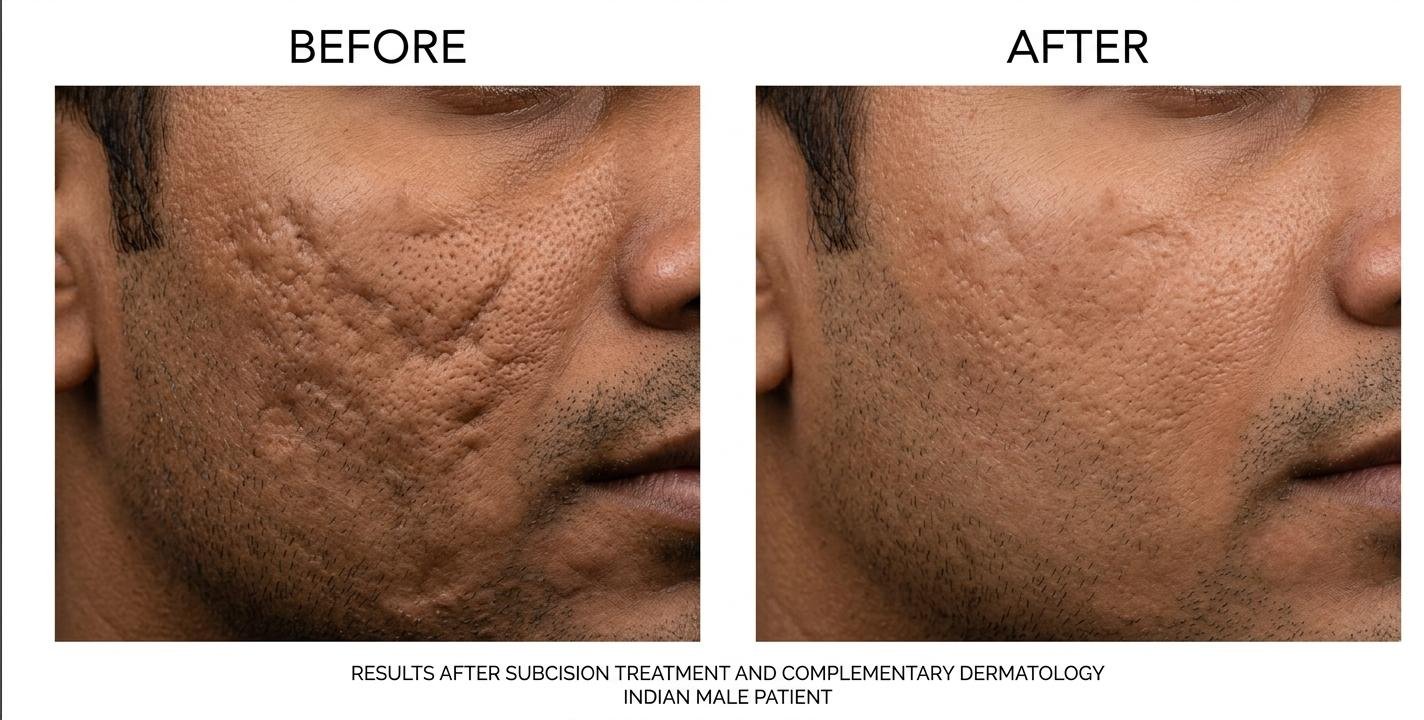
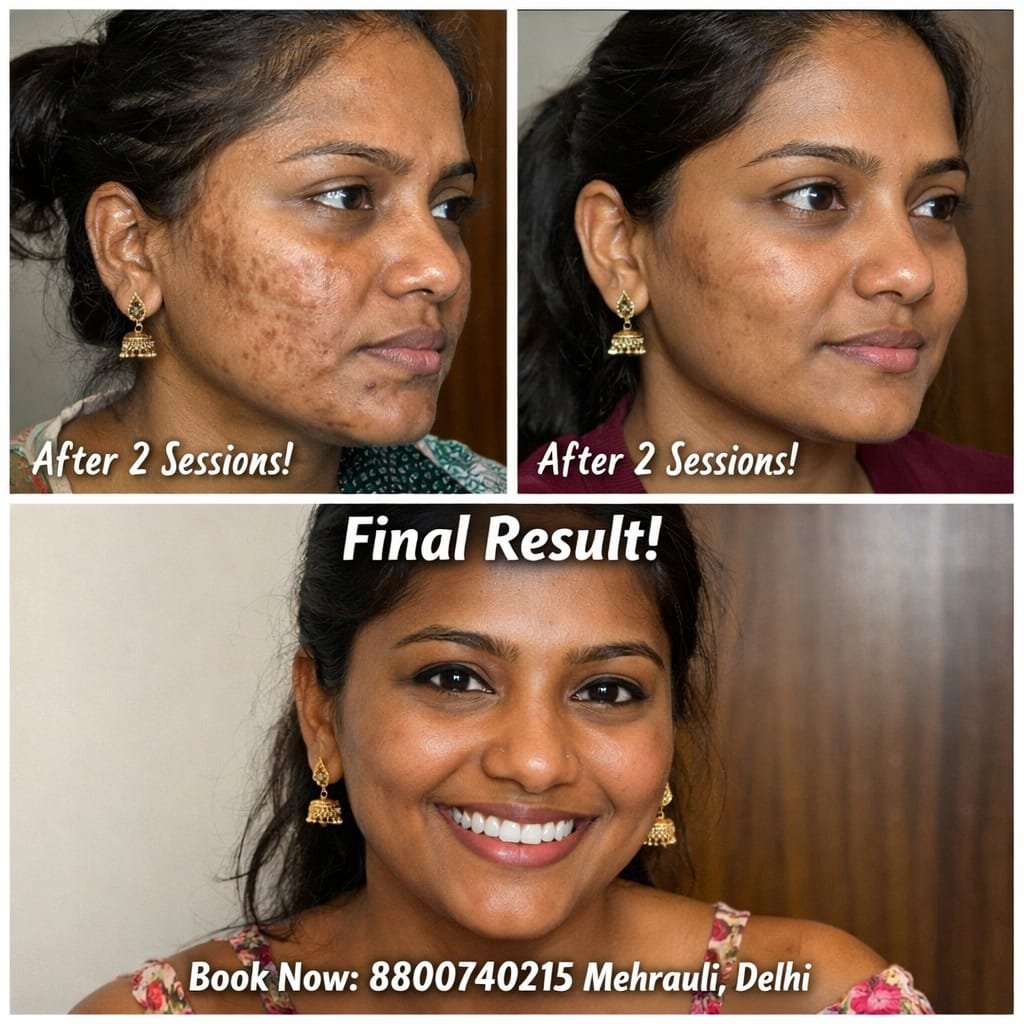
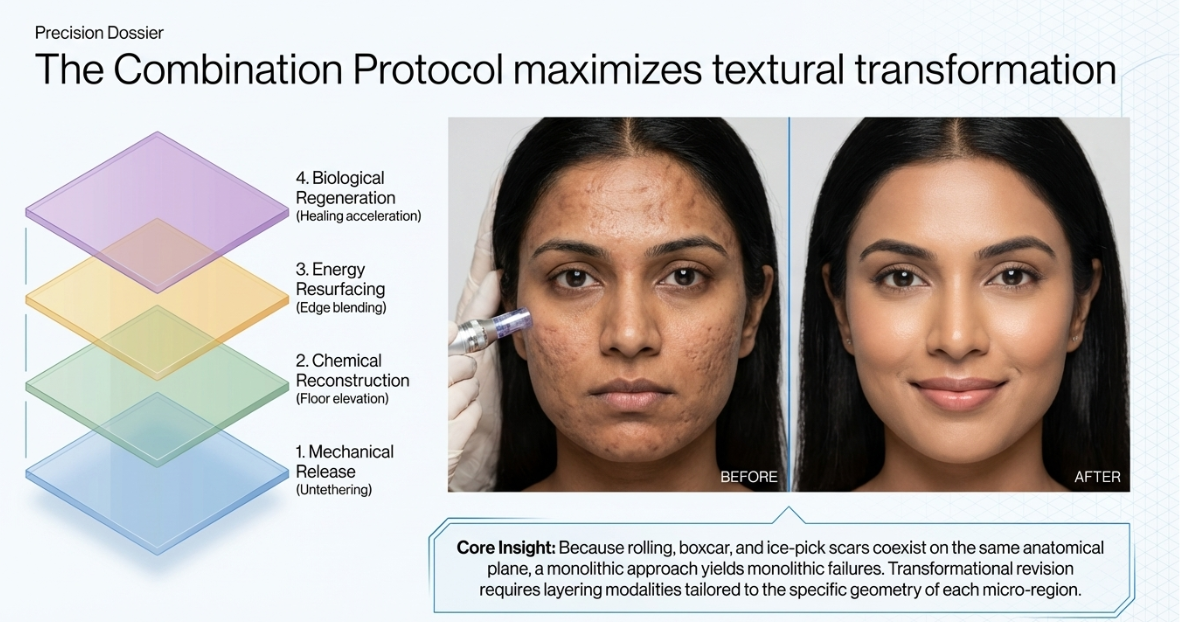
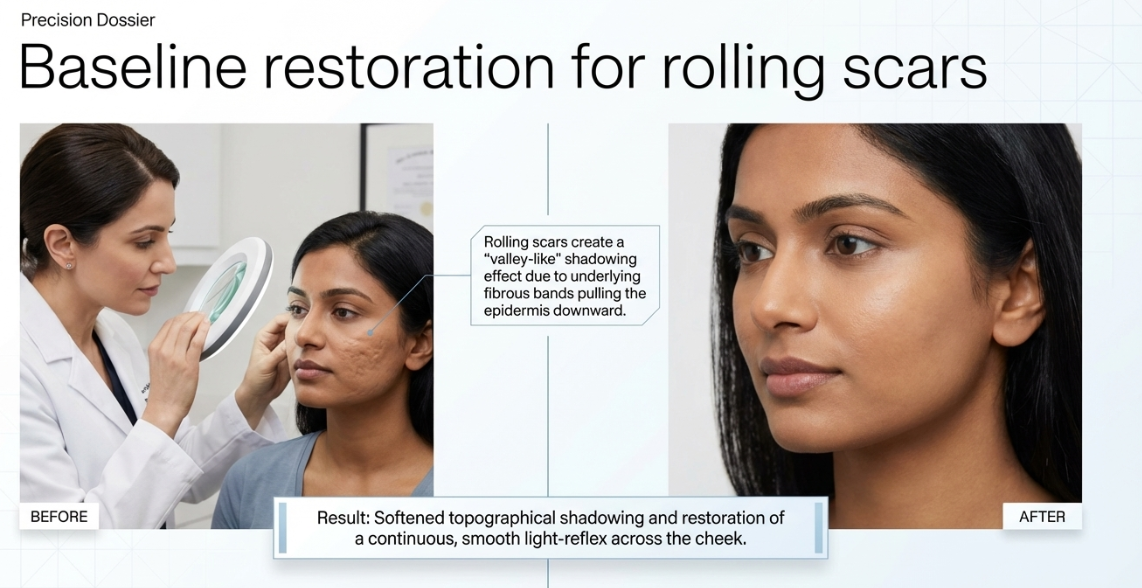
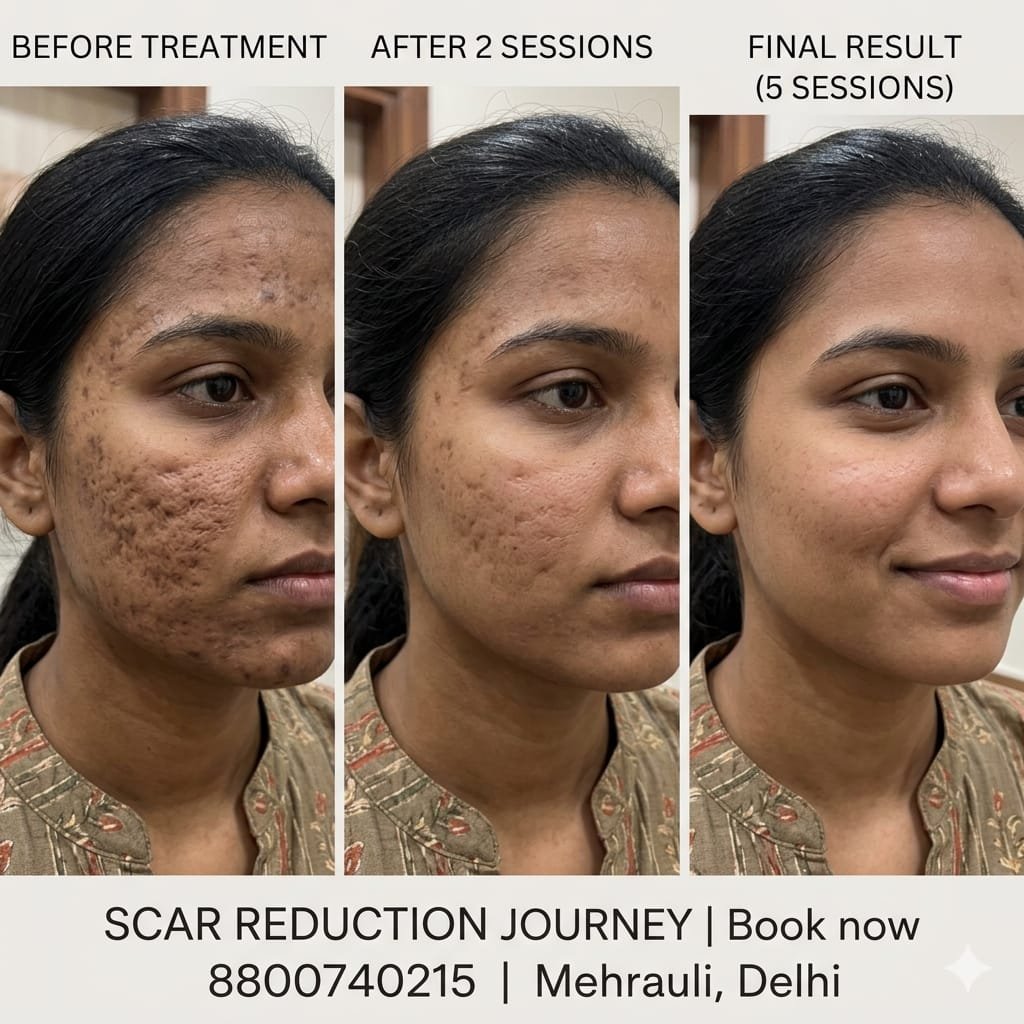
Acne scars often remain long after acne breakouts have healed. They can leave uneven skin texture, small depressions in the skin surface and pigmentation marks that affect confidence. Modern dermatology treatments such as microneedling, PRP therapy and laser resurfacing can stimulate collagen regeneration and gradually improve skin smoothness. At Dr Shabnam's PCOS Ferticure Aesthetics Clinic, acne scar treatments are planned individually based on scar type, skin sensitivity and overall skin condition.
Different acne scars require different treatments. Select the scar type that looks closest to your skin.
Acne scars form when inflammation from acne damages the deeper layers of skin. During healing, the body produces collagen to repair tissue damage. If collagen production is insufficient, depressed scars may develop. If collagen is excessive, raised scars may occur. Most acne scars occur because the skin's healing process becomes irregular after severe or repeated acne inflammation.
These scars may remain visible for many years even after acne has stopped appearing. However modern dermatology treatments can significantly improve skin texture by stimulating collagen remodeling and skin regeneration.
Ice pick scars are deep narrow scars that extend into the deeper layers of skin. They often appear like small puncture holes on the skin surface.
Boxcar scars are broader depressions with defined edges. They are commonly seen on the cheeks and temples.
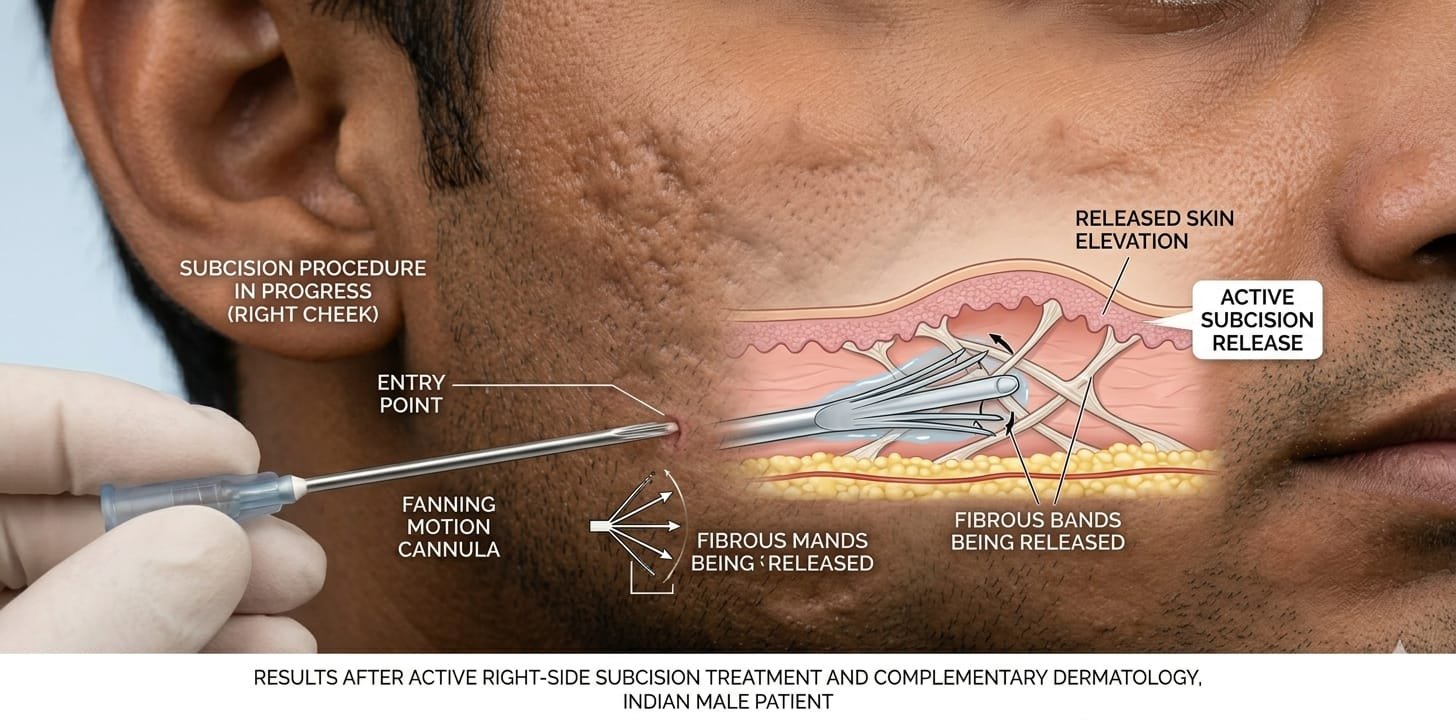
Rolling scars create a wave like appearance on the skin surface. They occur due to fibrous bands pulling the skin downward.
Some people develop dark spots after acne heals. These are not true scars but pigmentation changes caused by inflammation.
Microneedling is a collagen induction therapy that creates controlled micro-injuries in the skin using fine needles. This process stimulates natural collagen production which gradually improves scar depth and skin texture.
Platelet Rich Plasma therapy uses growth factors derived from the patient's blood. These growth factors stimulate tissue repair and accelerate skin rejuvenation.
Laser treatments stimulate deeper collagen remodeling and help smooth uneven skin texture.
Chemical peels remove damaged surface layers and improve pigmentation marks.
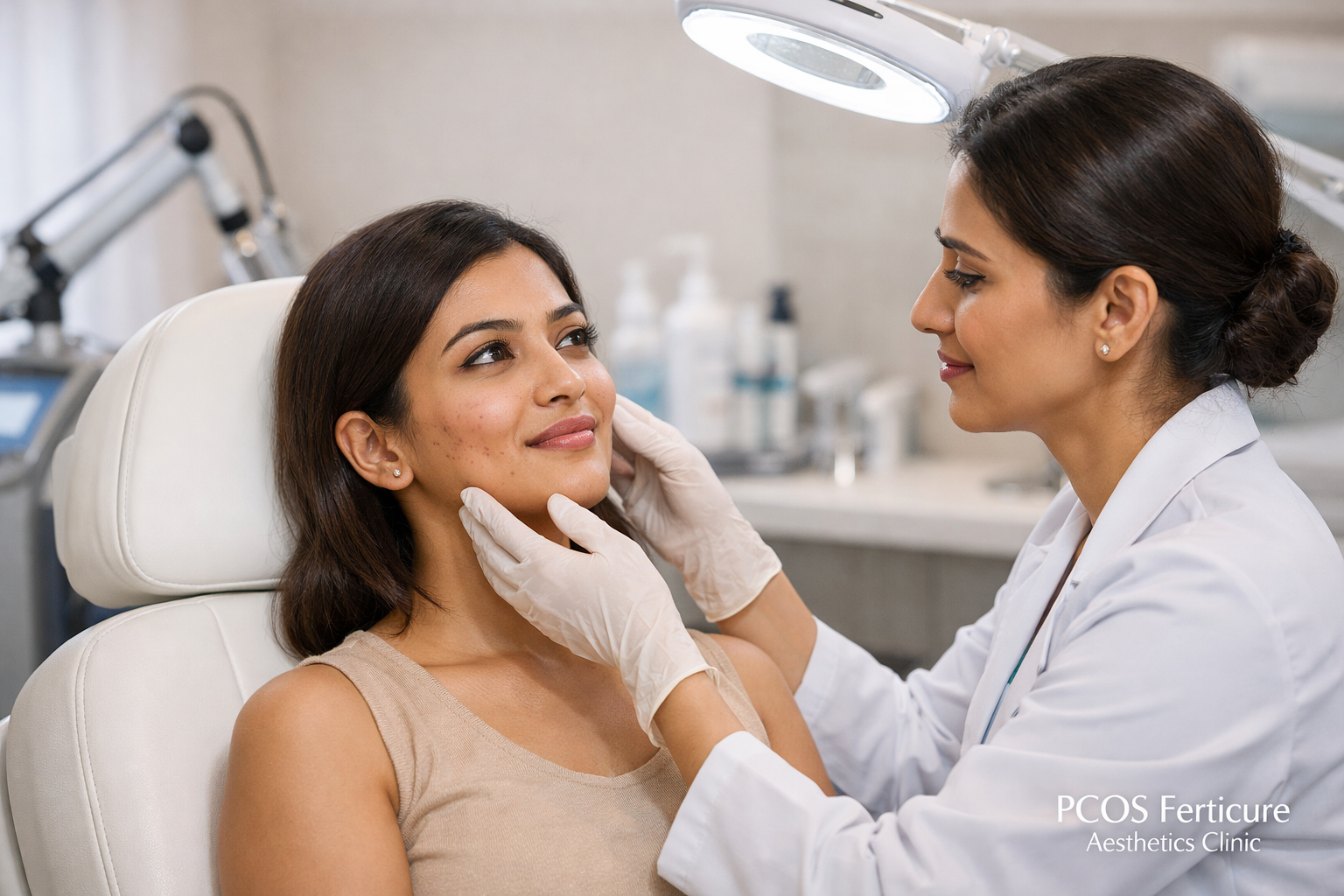
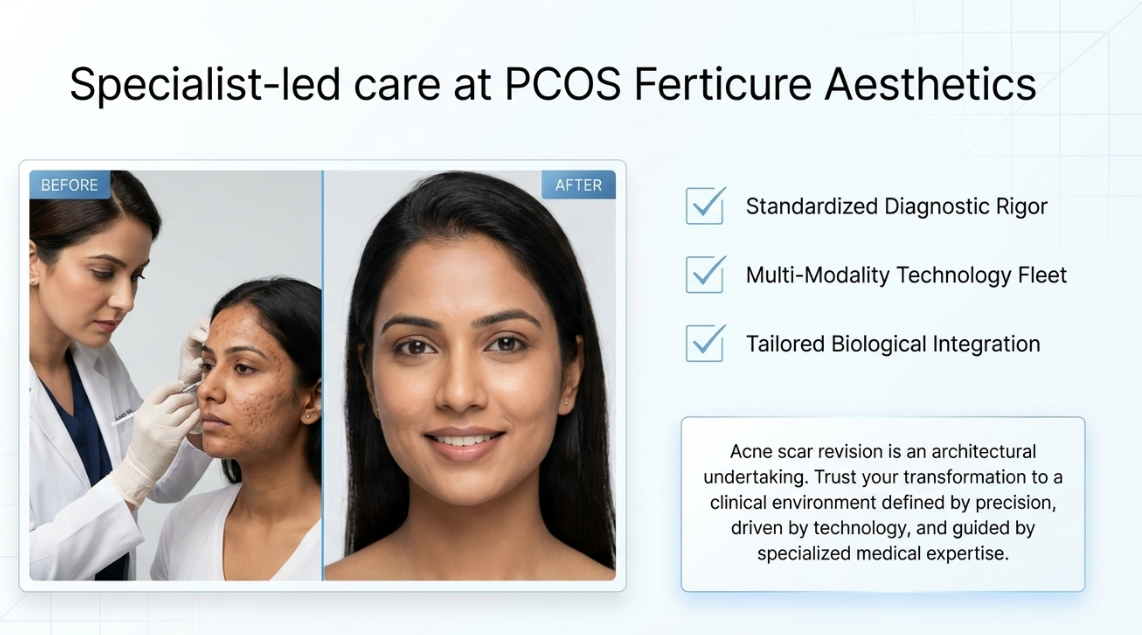
Acne scar treatments usually require a series of carefully planned sessions rather than a single procedure. This is because acne scars develop in the deeper layers of the skin where collagen has been damaged during the healing of inflammatory acne. Modern dermatology procedures such as microneedling, laser resurfacing, PRP therapy and chemical peels work by stimulating the skin's natural collagen production. As new collagen gradually forms over several weeks, the skin surface becomes smoother and the depth of scars slowly reduces. Most patients notice progressive improvement with each session, leading to healthier skin texture and a more even complexion over time.
Most acne scars can be significantly improved though complete removal may not always be possible.
When performed by trained professionals laser treatment can safely improve acne scars.
Typically 3–6 sessions depending on scar severity.
Topical numbing cream is used to make the procedure comfortable.
Learn more about PRP Therapy Under Eyes and how it relates to women's health and PCOS management.
Read moreLearn more about PRP Facial Treatment and how it relates to women's health and PCOS management.
Read moreLearn more about PRP Hair Treatment and how it relates to women's health and PCOS management.
Read moreLearn more about PRP Vampire Facial and how it relates to women's health and PCOS management.
Read moreLearn more about Chemical Peeling Facial and how it relates to women's health and PCOS management.
Read moreLearn more about Skin Whitening & Brightening Treatment and how it relates to women's health and PCOS management.
Read more