


Learn more about White Discharge Guide and how it relates to women's health and PCOS management.
Read morePaving the Way to Recovery: A Deep Dive into Pelvic Inflammatory Disease
Published - Sep 15, 2023 | Last Updated: 03 Oct, 2023
Published by: Dr. Shabnam Sharjil
- Pelvic Inflammatory Disease primarily targets a woman's reproductive system and often originates from untreated STIs like chlamydia or gonorrhea, posing risks that include impaired fertility and long-term pelvic discomfort.
- Prompt identification and medical intervention are key to effectively managing PID; while some individuals experience symptoms such as abdominal ache, unusual vaginal discharge, and fever, others may show no symptoms, making routine sexual health exams crucial for early detection.
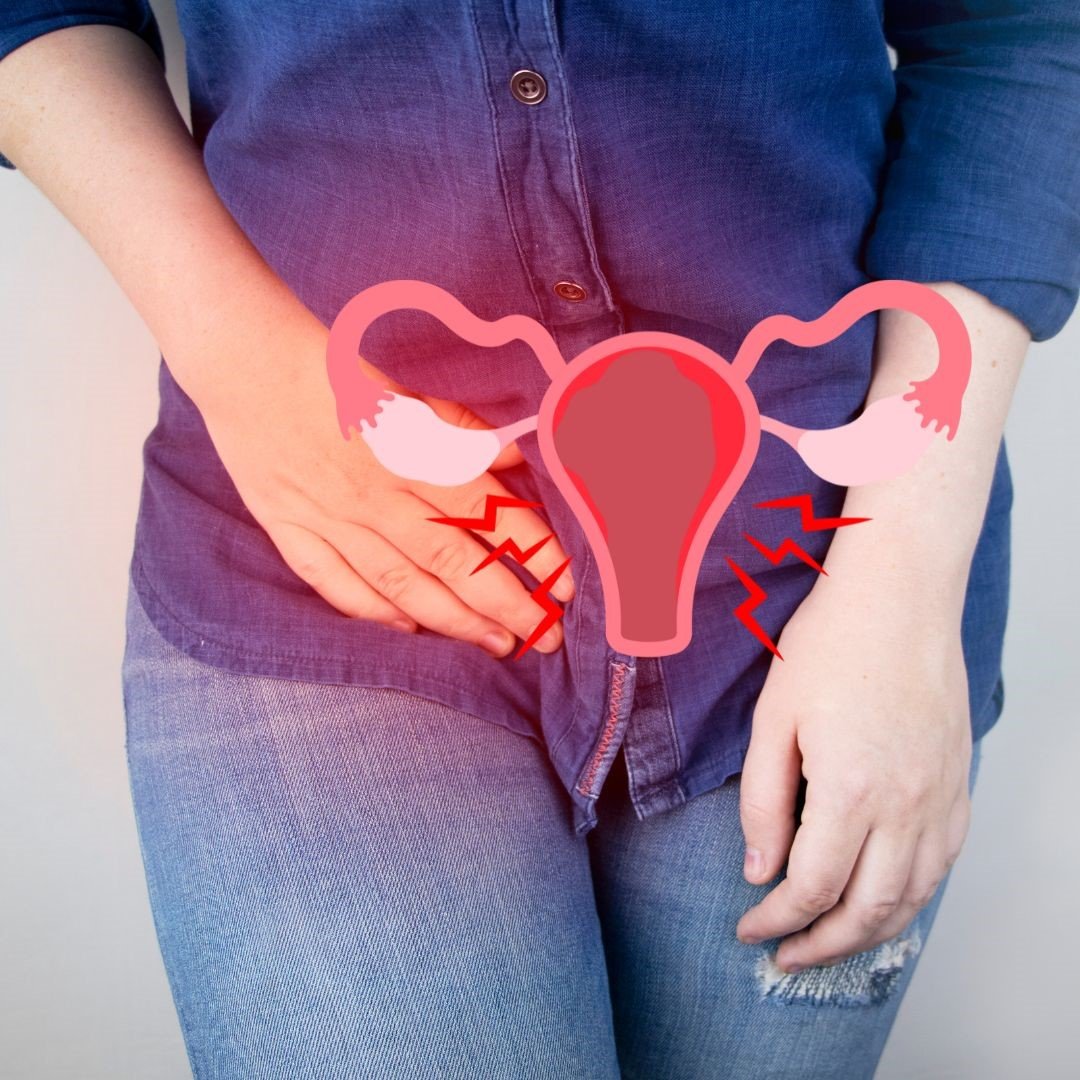
Symptoms, Causes, Treatment, and Impact on Infertility and Menstruation.
Introduction
Welcome to our in-depth guide on Pelvic Inflammatory Disease (PID), a pervasive condition with far-reaching implications for women's health. In this comprehensive article, we'll delve deep into PID, exploring array of PID symptoms, intricate causes, effective PID treatment methods, and its profound connection with infertility and menstrual irregularities. Join us on this informative journey as we unravel the enigma of Pelvic Inflammatory Disease (PID).
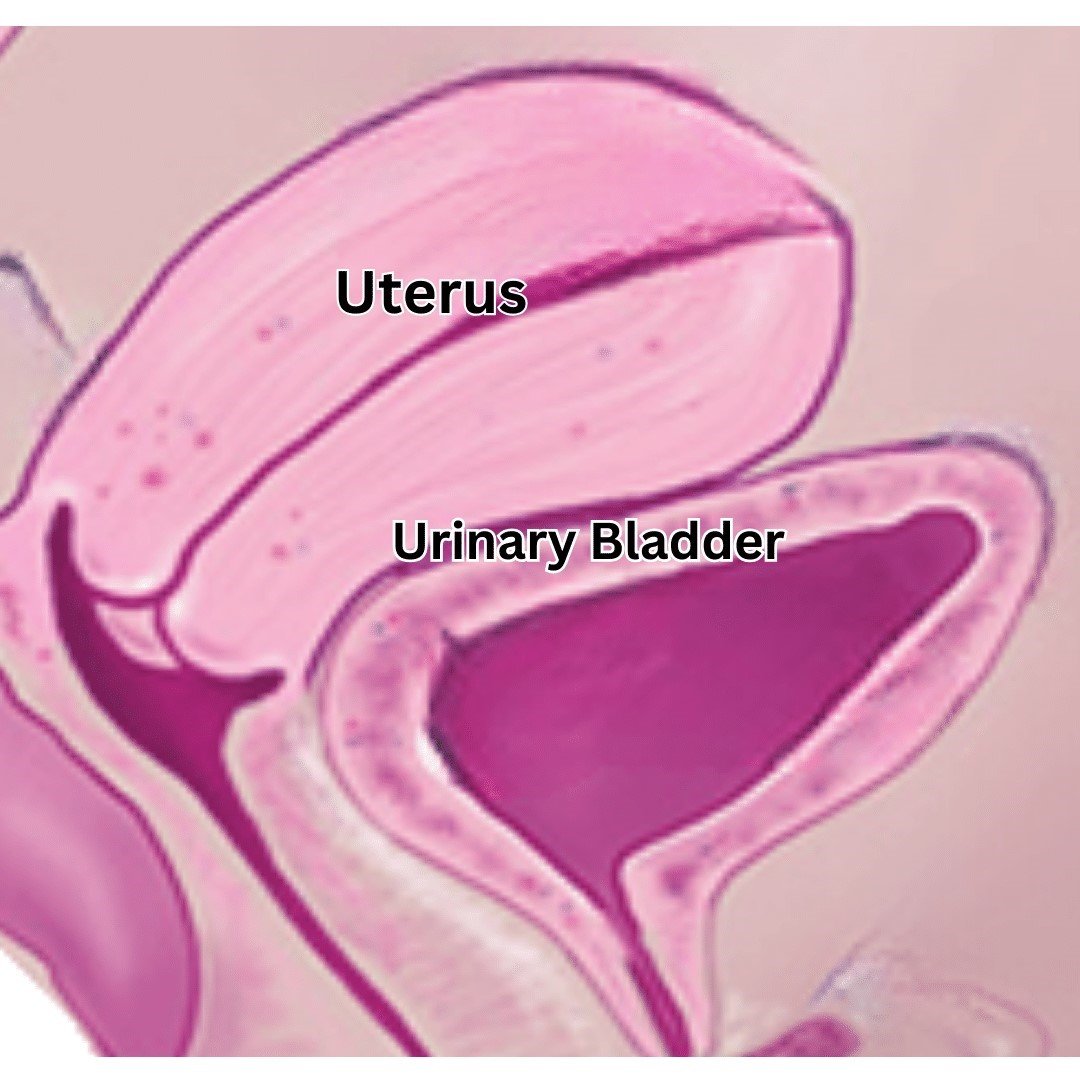
Understanding Pelvic Inflammatory Disease (PID):
Pelvic Inflammatory Disease, often abbreviated as PID, is a formidable adversary for women's reproductive health. This complex condition arises when insidious bacteria infiltrate the female reproductive system, setting the stage for inflammation and potentially life-altering health complications.
Symptoms of Pelvic Inflammatory Disease (PID):
PID presents a nuanced symphony of symptoms, and it's imperative to discern these signs early for prompt medical intervention. Let's delve into these symptoms with precision:
1. Pelvic Pain (PID and Pelvic Pain):
- The hallmark of PID is pelvic pain, which varies from a persistent, dull ache to sharp, stabbing Pelvic discomfort.
- The Pelvic pain may intensify during menstruation or Menstrual cycle or sexual intercourse.
- In severe cases, the pelvic pain can radiate to the lower back and rectum.
Pelvic Pain (PID and Pelvic Pain):
Pelvic pain, a hallmark symptom of Pelvic Inflammatory Disease (PID), is a distressing and often debilitating sensation that affects women's reproductive health. In this section, we will provide an in-depth exploration of pelvic pain in the context of PID.
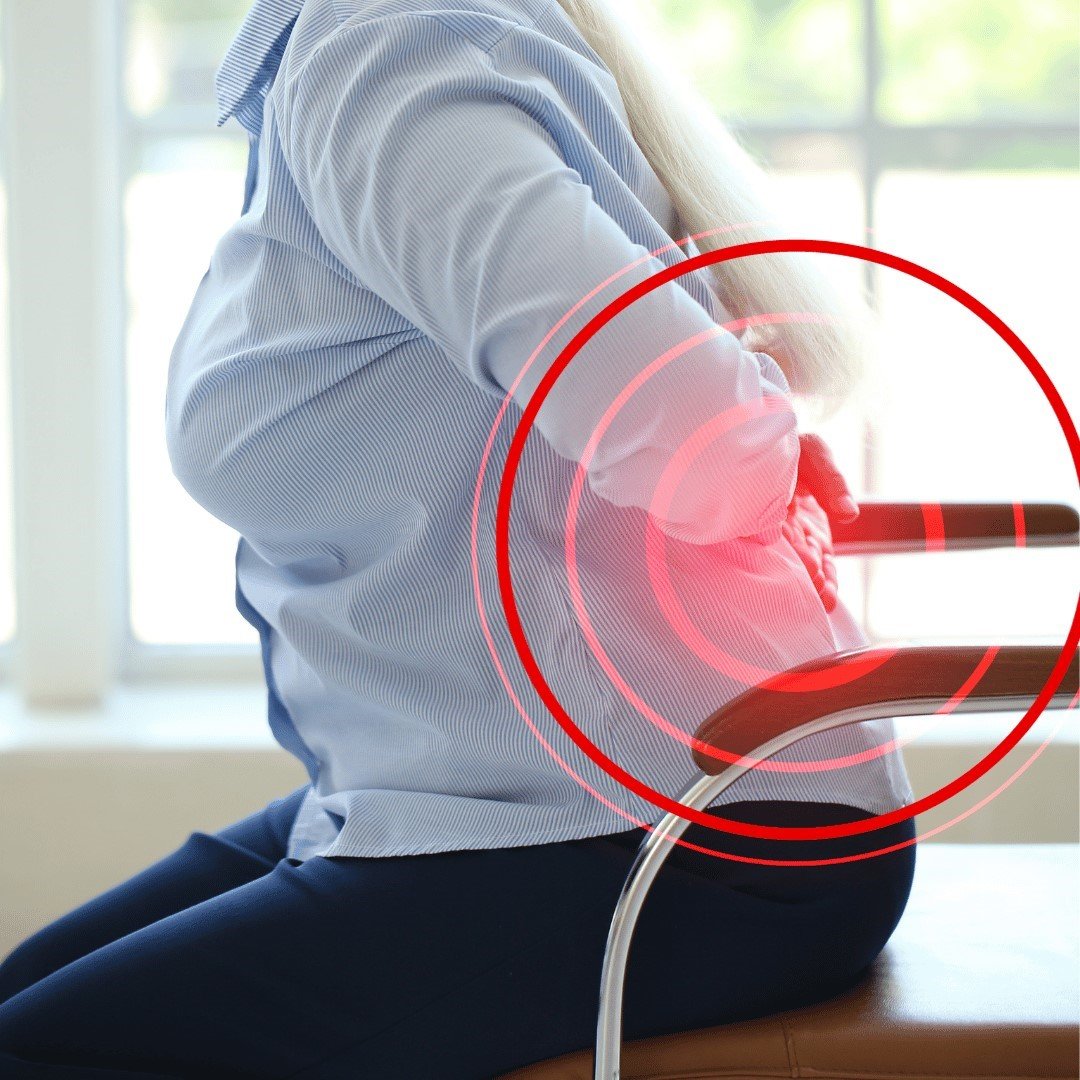
Understanding Pelvic Pain:
- Persistent Discomfort: : One of the most prominent features of PID is the presence of persistent pelvic discomfort. This ache centers in the lower abdomen, creating a source of constant unease for affected individuals.
- Varied Intensity: The intensity of pelvic pain associated with PID can range from mild to severe. This spectrum of pain levels underscores the significance of early detection and intervention to prevent worsening symptoms.
- Menstrual Exacerbation: For many women with PID, the pain tends to exacerbate during menstruation, compounding the already challenging experience of dealing with menstrual discomfort.
- Dyspareunia: Pain during sexual intercourse, known as dyspareunia, is a common and distressing symptom of PID. The inflammation triggered by PID contributes to this discomfort, impacting both physical and emotional well-being.
- Radiation of Pain: In severe cases, PID-induced pelvic pain may radiate beyond the pelvic region. It can extend to the lower back and rectal area, creating a pervasive and all-encompassing discomfort that can be physically and emotionally taxing.
2. Abnormal Vaginal Discharge (PID and Vaginal Discharge):
- PID often leads to a conspicuous change in vaginal discharge.
- The discharge may become yellow or green in color, accompanied by a foul odour.
- Women may notice an increase in vaginal discharge volume.
Abnormal vaginal dischargeis a key indicator of Pelvic Inflammatory Disease (PID) and understanding this symptom is crucial for early diagnosis and effective treatment. In this section, we will provide an in-depth exploration of abnormal vaginal discharge.
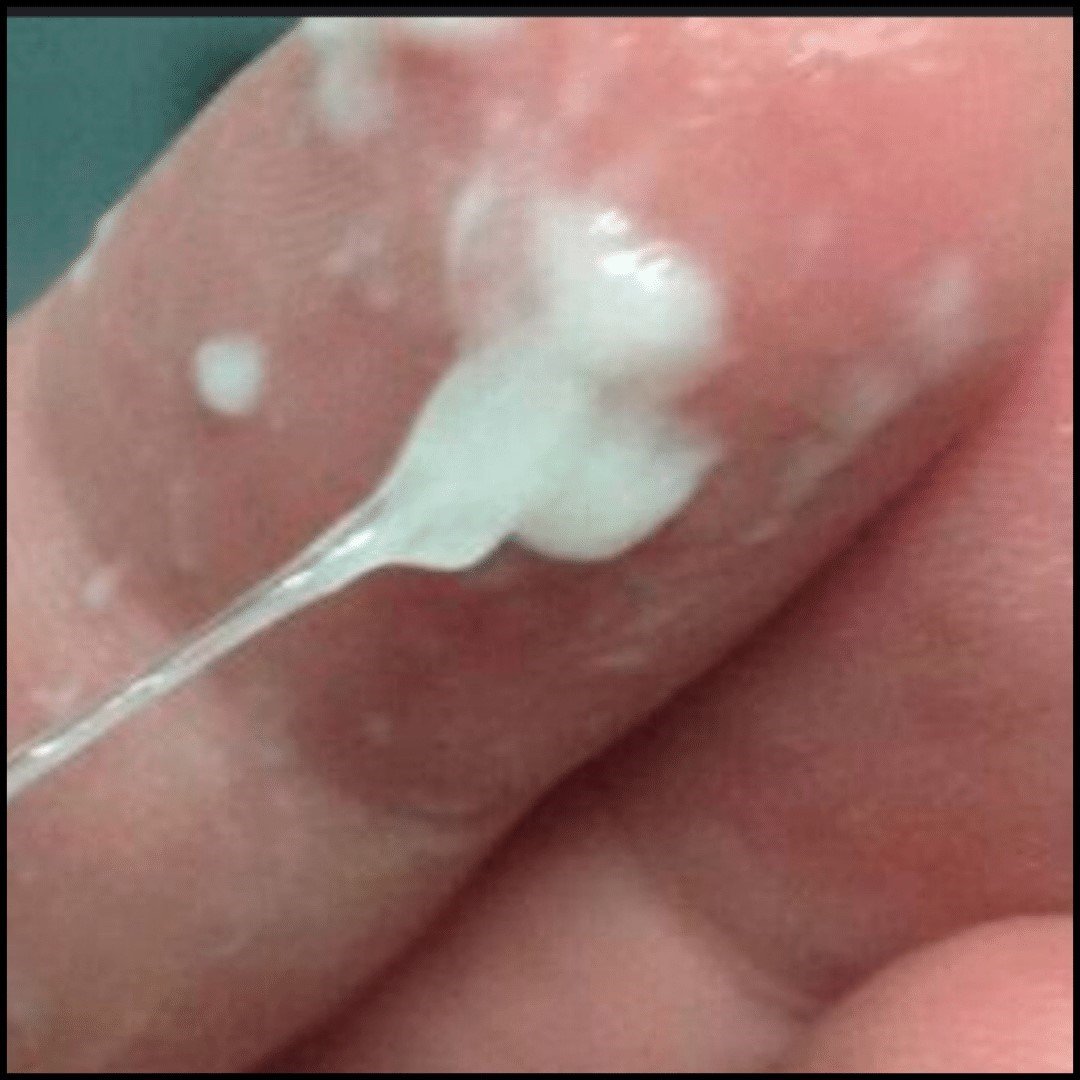
Understanding Abnormal Vaginal Discharge:
- Significance in PID Diagnosis: : Abnormal vaginal discharge is often the first noticeable sign of PID. It differs in color, consistency, and odor from what is considered normal for an individual.
- Types of Vaginal Discharge: Vaginal discharge can vary in color and consistency. While clear or white discharge is considered normal, Pelvic inflammatory disease (PID) can cause distinct changes, including greenish or yellowish discharge. These deviations are concerning signs that warrant immediate medical attention.
- White Vaginal Discharge: A common concern associated with vaginal discharge is the presence of white discharge. While it can be a normal part of the menstrual cycle, excessive or persistent white discharge, especially when accompanied by itching, can signal Pelvic Inflammatory disease (PID).
- Vaginal Itching and White Discharge: Itching in the vaginal area, along with an increase in white discharge, is often a cause for concern. This combination of symptoms may indicate an underlying infection, such as Pelvic inflammatory disease (PID).
- What Does Normal Discharge Look Like: Understanding what constitutes normal vaginal discharge is essential. Normal discharge is typically clear or milky white, odorless, and varies in consistency throughout the menstrual cycle. It serves as the body's natural way of cleansing and maintaining vaginal health.
Recognizing abnormal vaginal discharge and understanding its variations is crucial, especially in the context of Pelvic Inflammatory Disease (PID). This symptom can serve as an early warning sign, prompting individuals to seek timely medical evaluation and treatment, ultimately improving their health outcomes.
3. Menstrual Cramps or Pelvic Pain (PID and Period Cramps):
- PID can disrupt the normal menstrual cycle, leading to more painful and heavier periods.
- Menstrual cramps may become more severe and prolonged.
Painful menstruation, often referred to as dysmenorrhea, is a common and often distressing symptom associated with Pelvic Inflammatory Disease (PID). In this section, we'll provide a succinct yet comprehensive exploration of painful menstruation within the context of PID.
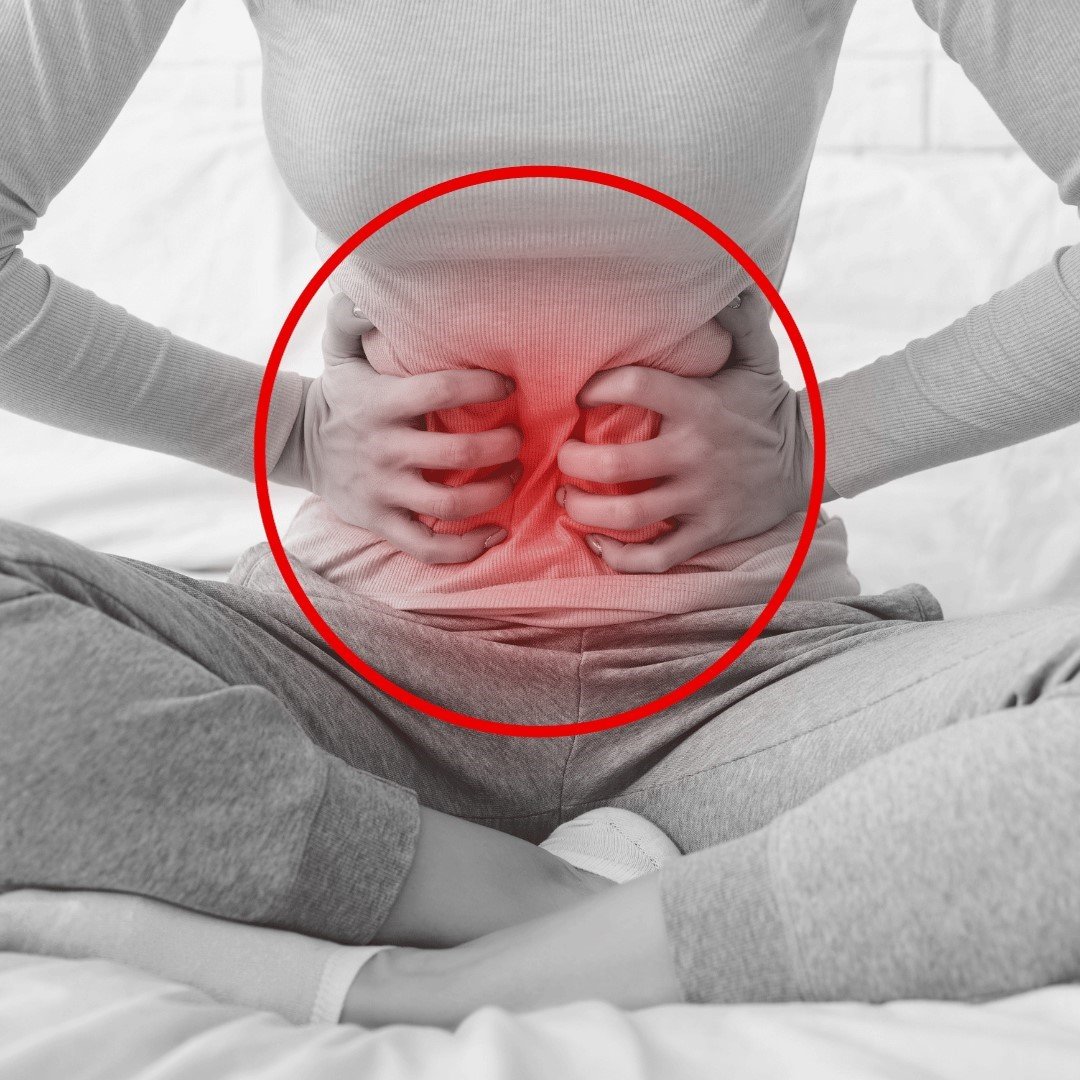
Understanding Menstrual cramps(Period Cramps) or Pelvic pain:
- Dysmenorrhea and PID: : Dysmenorrhea, characterized by painful menstrual cramps, can be exacerbated in individuals with PID due to the inflammation and disruption of the reproductive organs caused by the infection.
- Menstrual Cramps (Pelvic Pain and Menstrual Cramps): Menstrual cramps, a hallmark of dysmenorrhea, manifest as a throbbing or cramping pain in the lower abdomen. In the presence of PID, these cramps can become more intense, adding to the overall discomfort during menstruation.
- Pelvic Pain (PID and Pelvic Pain): PID itself can contribute to pelvic pain, and when combined with dysmenorrhea, it can result in heightened pelvic discomfort during menstruation.
- Period Cramps (PID and Period Cramps): Period cramps, often used interchangeably with menstrual cramps, can intensify in individuals with PID. The inflammatory processes associated with PID can further exacerbate the cramping sensation.
- Dysmenorrhea (PID and Dysmenorrhea): PID can be a contributing factor to dysmenorrhea, leading to increased pain and discomfort during menstrual cycles.
Painful menstruation, or dysmenorrhea, can be exacerbated in individuals with Pelvic Inflammatory Disease (PID). Recognizing the connection between PID and menstrual pain is essential for early diagnosis and effective management. By understanding how PID can intensify period cramps and pelvic discomfort, individuals can seek appropriate medical attention, improving their overall well-being.
4. Irregular Menstruation (PID and Irregular Periods):
Irregular menstruation or Irregular Periods, a prevalent concern among women with Pelvic Inflammatory Disease (PID), demands comprehensive exploration. In this section, we will delve into irregular menstruation within the context of PID.
Understanding Irregular Menstruation:
- PID and Menstrual Irregularities (Pelvic Inflammatory Disease [PID] and Causes of Irregular Menstruation):: Irregular menstruation often occurs in individuals with PID due to the disruptive impact of the infection on the reproductive system. Understanding the causes of irregular menstruation is pivotal for early diagnosis and management.
- Irregular Periods (Irregular Periods and Causes of Irregular Periods): Irregular periods, characterized by variations in cycle length and flow, can be a consequence of PID. Recognizing these irregularities is essential for addressing underlying health concerns.
- Shift in Menstrual Cycle (Why Did My Cycle Changed from 28 to 31 Days): Some individuals may experience a shift in their menstrual cycle from the typical 28 days to an irregular 31-day cycle. This change can be attributed to the impact of PID on hormonal balance and reproductive health.
- Irregular Periods Symptoms (Symptoms of Irregular Periods): Symptoms of irregular periods may include unpredictable cycle lengths, changes in menstrual flow, and unanticipated spotting. These symptoms may indicate the presence of PID.
- Length of Period Cycle (How Long Is a Period Cycle): Understanding the normal length of a period cycle is essential. Typically, a menstrual cycle ranges from 21 to 35 days. PID can disrupt this cycle, resulting in irregularities.
Irregular menstruation is a common concern among individuals with Pelvic Inflammatory Disease (PID). By understanding the causes and symptoms of irregular periods, individuals can seek timely medical evaluation and treatment, ultimately improving their reproductive health and well-being.
5. Painful Intercourse (PID and Dyspareunia):
- Dyspareunia, or pain during sexual intercourse, is a frequent complaint among those with PID.
- The discomfort can be attributed to inflammation and scarring in the reproductive organs.
IPainful intercourse, medically known as dyspareunia, is a distressing symptom often associated with Pelvic Inflammatory Disease (PID). In this section, we will delve into the topic of painful intercourse within the context of PID.
Understanding Painful Intercourse (Dyspareunia):
- PID and Dyspareunia (Pelvic Inflammatory Disease [PID] and Pelvic Pain): Painful intercourse can be a consequence of PID, as the inflammation and scarring of reproductive organs associated with the infection may lead to discomfort and pain during sexual activity.
- Pelvic Pain (Pelvic Pain and Dyspareunia): Pelvic pain is often a prominent symptom in individuals with PID, and it can significantly contribute to the pain experienced during intercourse.
- Irregular Period (Irregular Period and Dyspareunia): Irregular menstrual cycles, a potential result of PID, may affect hormonal balance and vaginal lubrication, potentially contributing to painful intercourse.
- Menstrual Cycle (Menstrual Cycle and Dyspareunia): SFluctuations in the menstrual cycle due to PID can impact sexual intimacy. Understanding these changes is essential for addressing issues related to dyspareunia.
Irregular menstruation is a common concern among individuals with Pelvic Inflammatory Disease (PID). By understanding the causes and symptoms of irregular periods, individuals can seek timely medical evaluation and treatment, ultimately improving their reproductive health and well-being.
6. Fever and Chills (PID and Systemic Symptoms):
- In severe cases, PID may lead to systemic symptoms such as fever and chills.
- These indicate a widespread infection that demands immediate attention.
Fever and chills, though commonly associated with infections, are systemic symptoms that can be indicative of Pelvic Inflammatory Disease (PID). In this section, we will delve into the topic of fever and chills within the context of PID.

Understanding Fever and Chills:
- Systemic Symptoms in PID (Pelvic Inflammatory Disease [PID] and Systemic Symptoms): Fever and chills are systemic symptoms that can manifest when PID progresses to a more severe stage. These symptoms indicate a widespread infection that demands immediate medical attention.
- Chills and Fever (Chills and Fever): Chills, often accompanied by fever, are the body's response to an infection, including PID. Understanding the connection between these symptoms and PID is pivotal for timely diagnosis and management.
- Pelvic Pain (Pelvic Pain and Fever): Fever and chills may occur concurrently with pelvic pain in PID. These combined symptoms can be indicative of an advanced infection that requires urgent treatment.
- Menstrual Cramps (Menstrual Cramps and Fever): In some cases, fever and chills can coincide with menstrual cramps, intensifying the overall discomfort. Recognizing these systemic symptoms is crucial for addressing underlying health concerns.
- Infertility and Irregular Periods (PID and Infertility): Fever and chills may serve as warning signs of PID, which can lead to complications such as infertility and irregular periods. Early diagnosis and intervention are essential to prevent long-term consequences.
Causes of Pelvic Inflammatory Disease (PID):
Understanding the root causes of PID is crucial for prevention and early intervention. Let's explore these causes in greater detail:
- Sexually Transmitted Infections (STIs) as Precursors (PID and STIs):
- PID most commonly develops as a consequence of untreated or undertreated STIs, particularly Chlamydia and Gonorrhea.
- Bacteria from these infections ascend through the reproductive tract, infecting the uterus, fallopian tubes, and ovaries.
- Risk Factors and Contributing Factors (PID Risk Factors):
- Multiple sexual partners, a history of STIs, and not using barrier methods during sexual activity are significant risk factors.
- Recent childbirth, abortion, or insertion of intrauterine devices (IUDs) can also increase the risk.
- Douching, which disrupts the vaginal flora, may contribute to PID development.
Impact on Infertility and Menstruation (Menstrual Cycle): PID's repercussions extend beyond immediate discomfort, affecting long-term reproductive health:
PID and Infertility:
- PID-induced inflammation and scarring can lead to blocked fallopian tubes, hindering the egg's journey to the uterus.
- The risk of infertility increases significantly with each episode of PID.
Menstrual Irregularities (PID and Irregualr Periods ):
- PID-induced hormonal imbalances can result in irregular and painful menstruation.
- This disruption may lead to emotional distress and lifestyle challenges.
Treatment Options for PID: Early diagnosis and effective treatment are pivotal in mitigating PID's impact. Treatment modalities include:
- Antibiotics (PID Treatment with Antibiotics):
- A combination of antibiotics, such as doxycycline and ceftriaxone, is the primary treatment for PID.
- Completing the entire antibiotic course is essential, even if symptoms improve.
- Hospitalization (Severe PID Management):
- In severe cases or when abscesses are present, hospitalization may be necessary for intravenous antibiotics and drainage procedures.
Frequently Asked Questions (FAQs):
1. What is the main cause of PID?
PID is primarily caused by untreated or undertreated sexually transmitted infections (STIs), particularly Chlamydia and Gonorrhea.
2. How is PID diagnosed?
PID is diagnosed through a combination of medical history, physical examination, and tests such as pelvic ultrasound and laparoscopy.
3. Can PID lead to long-term complications?
Yes, untreated PID can lead to serious complications, including chronic pelvic pain, infertility, and an increased risk of ectopic pregnancy.
4. Is PID contagious?
PID itself is not contagious, but the underlying STIs that can lead to PID are contagious and can be transmitted through sexual contact.
5. Can PID be prevented?
PID can be prevented by practicing safe sex, using barrier methods like condoms, and getting regular screenings for STIs.
Conclusion
Pelvic Inflammatory Disease (PID) is a formidable adversary for women's reproductive health. This comprehensive guide has delved into the intricacies of PID, from its nuanced symptoms and complex causes to its profound impact on infertility and menstruation. Early recognition and timely treatment are paramount in managing this condition and preserving women's reproductive well-being.
References
Book An Appointment
Other Important Articles on Site
White Discharge Guide
Pelvic Inflammatory Disease
Learn more about Pelvic Inflammatory Disease and how it relates to women's health and PCOS management.
Read moreUrine Infection in Women
Learn more about Urine Infection in Women and how it relates to women's health and PCOS management.
Read moreIrregular Periods Guide
Learn more about Irregular Periods Guide and how it relates to women's health and PCOS management.
Read morePregnancy Management
Learn more about Pregnancy Management and how it relates to women's health and PCOS management.
Read moreRATINGS AND REVIEWS RECEIVED ON DIFFERENT PLATFORMS
PCOS Treatment in Delhi (PCOS VIdeo Consultation:)

4.8 out of 5 (189 reviews and ratings)
PCOS Specialist in Delhi (PCOS Video Consultation:)
Practo
99% (277 reviews and ratings)
Top PCOS Doctors in Delhi (PCOS Video Consultation:)
Lybrate

4.4 (642 reviews and ratings)
PCOS Treatment for Un-Married (Polycystic Ovary Doctor In Delhi)
Just Dial
4.9 (490 reviews and ratings)
Services Provided at PCOS Ferticure Clinic
- PCOS Treatment in Delhi
- PCOS Treatment
- PCOS Symptoms and Treatment
- PCOS Treatment for Unmarried
- PCOS treatment in unmarried
- PCOS specialist doctor
- PCOS specialist in delhi
- Top PCOS Dcotor in delhi
- Which doctor to consult for PCOS
- PCOS Diagnosis In Delhi
- Book online appointment