

Learn more about PCOD Weight Loss and how it relates to women's health and PCOS management.
Read moreENDOMETRIOSIS In Women: Signs, Symptoms, Stages & Treatment
Published - Sep 28, 2023 | Last Updated: 01 Oct, 2023
Published by: Dr. Shabnam Sharjil
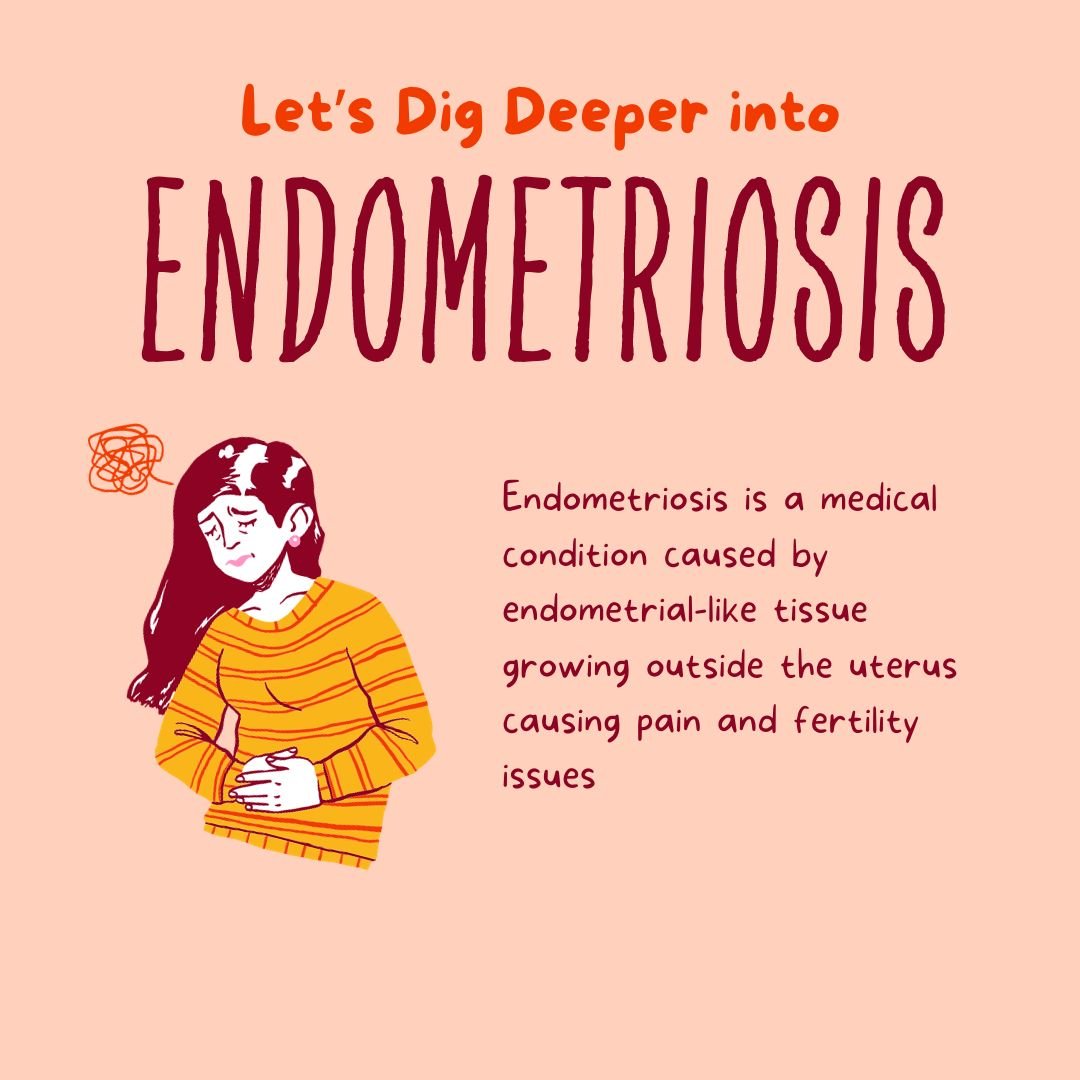
- Endometriosis is a chronic condition where tissue resembling the uterine lining grows outside the uterus, causing a range of symptoms from abdominal pain to irregular bleeding and potentially affecting fertility.
- While there is no definitive cure for endometriosis, various treatment approaches like hormone therapy, pain management, and surgical intervention can help manage symptoms and improve quality of life for affected individuals.
Mastering the Maze: Navigating the Complexities of Endometriosis
Table of Contents
- Introduction: What is Endometriosis?
- Signs of Trouble: Unveiling the Symptoms
- Endometriosis and PCOS: The Confusing Dilemma
- The Real Causes: Not Just a Guessing Game
- 4 Stages of Endometriosis: The Harsh Reality
- Deciphering Treatment: Surgery or No Surgery?
- Endometriosis Pain: A Constant Battle
- Endometriosis in the United States: A Glimpse into the Statistics
- Is Endometriosis a Disease? Clearing the Air
- Conclusion: Knowledge is Power
- References
Introduction: What is Endometriosis?
Endometriosis, a term that often mystifies many, is derived from the word "endometrium," the tissue that gracefully lines the interior of the uterus. But here's the kicker—patients grappling with endometriosis have endometrial-type tissue situated in regions outside of the uterus. Imagine your body playing a cruel joke on you, letting these tissues take root where they have no business being. As you can imagine, this causes a myriad of problems, ranging from excruciating pain to even infertility.

Endometriosis affects approximately 11% of American women in their 25 – 40 years. Mind you, this isn't a disorder exclusive to middle age; it often torments women in their 30s and 40s, making it a significant concern for a broad age range.
Endometriosis is a condition where tissue similar to the lining inside the uterus grows outside the uterus. To define endometriosis in simpler terms, it's like your body's inside-out approach to tissue placement.
Signs of endometriosis (Endometriosis signs and symptoms)
Before we jump into the endometriosis causes, let's explore the signs of endometriosis. Symptoms can range from crippling endometriosis pain to bowel endometriosis, which can affect the colon and bowel. This isn't just an abdomen affair; endometriosis in colon and even endometriosis on bowel are possible. The endometriosis signs and symptoms can include heavy periods, pelvic pain, and even back pain.
1.Heavy Periods: Not Just a Monthly Inconvenience
When we talk about the signs of endometriosis, heavy periods often top the list. But these are not your typical heavy periods; we are talking about menstrual flows that interfere significantly with daily activities.
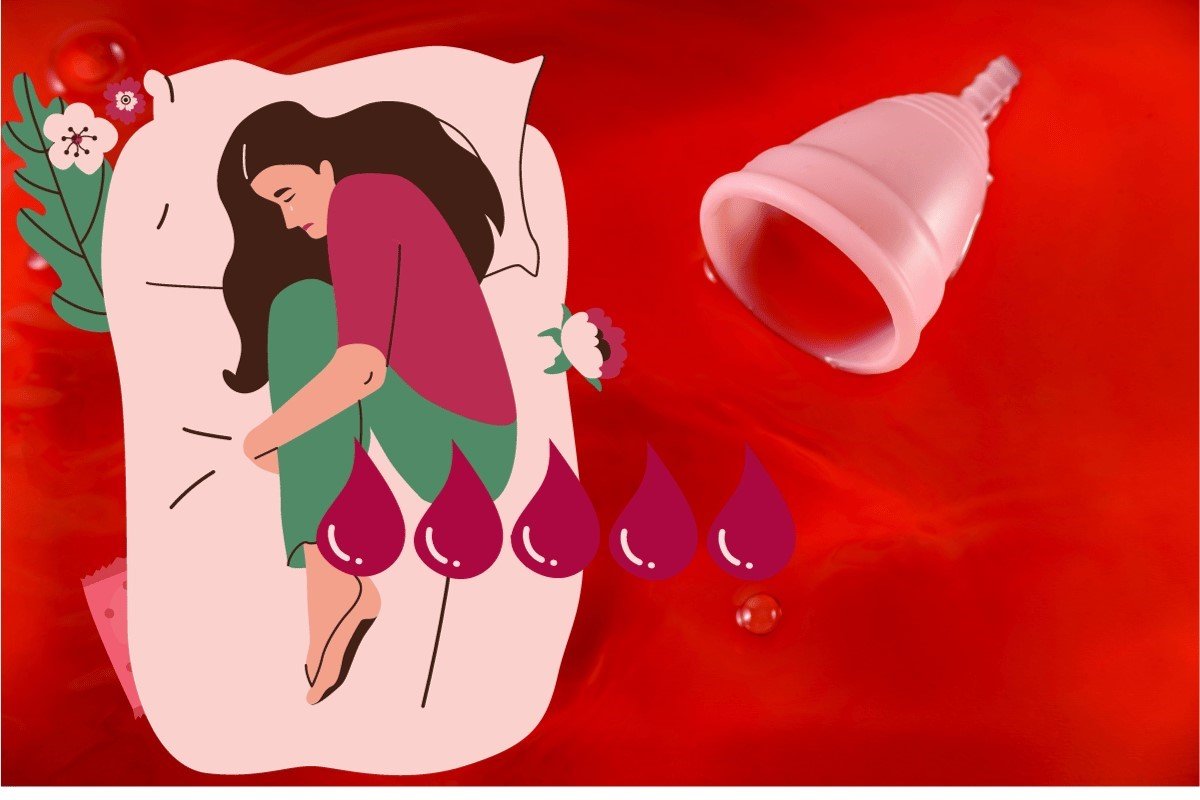
The magnitude of this endometriosis symptom can be such that it causes women to miss work or social events. Women experiencing this should immediately consult with healthcare professionals for women's health advice, as ignoring it could exacerbate endometriosis pain and potentially cause anemia.
2.Pelvic Pain: A Constant Torment
Pelvic pain is another critical symptom that alerts healthcare providers about the possibility of endometriosis. This pelvic pain is usually cyclical, occurring around menstruation, but it can also be constant for some women.
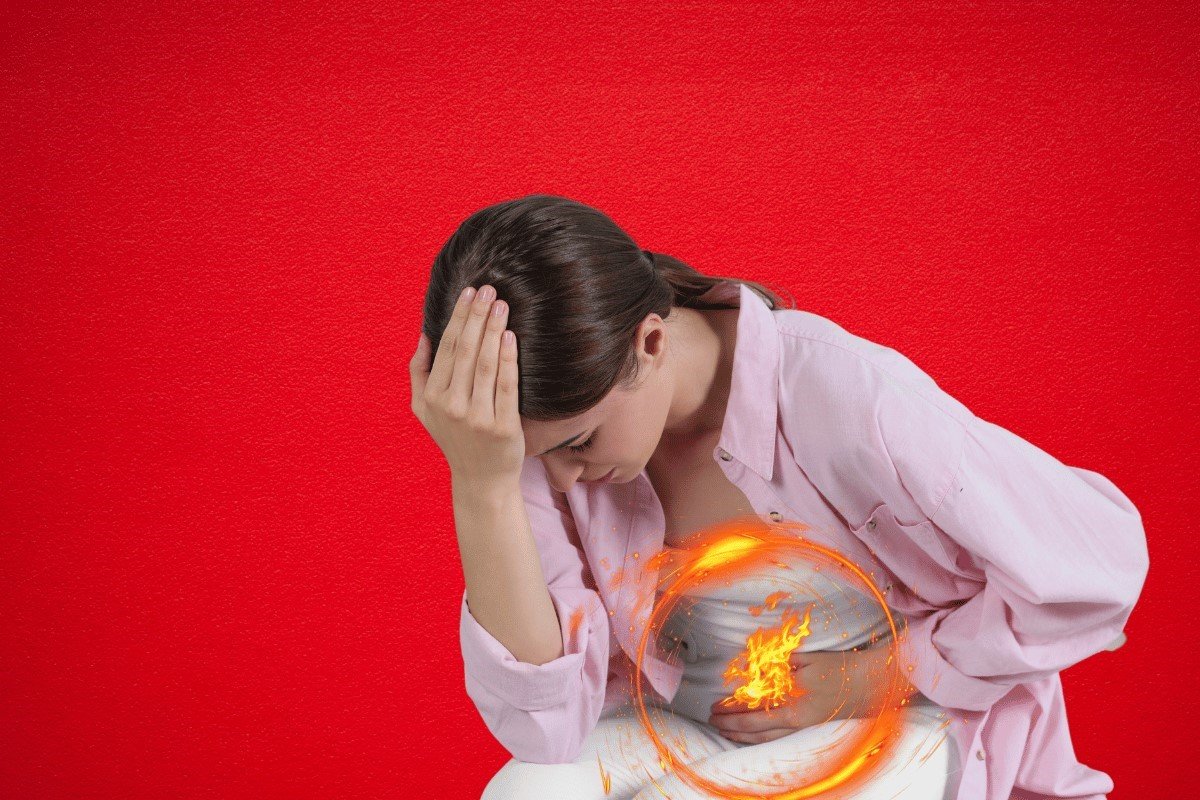
Pelvic pain can often be confused with other women's health issues, which is why a proper diagnosis is essential for treating endometriosis effectively. It's crucial to be proactive about your women's health and consult a specialist if you experience persistent pelvic pain.
3.Back Pain: More Than Just Poor Posture
When thinking about endometriosis signs and symptoms, back pain is often overlooked. However, it's not uncommon for women with endometriosis to experience lower back pain, especially during their menstrual cycles.
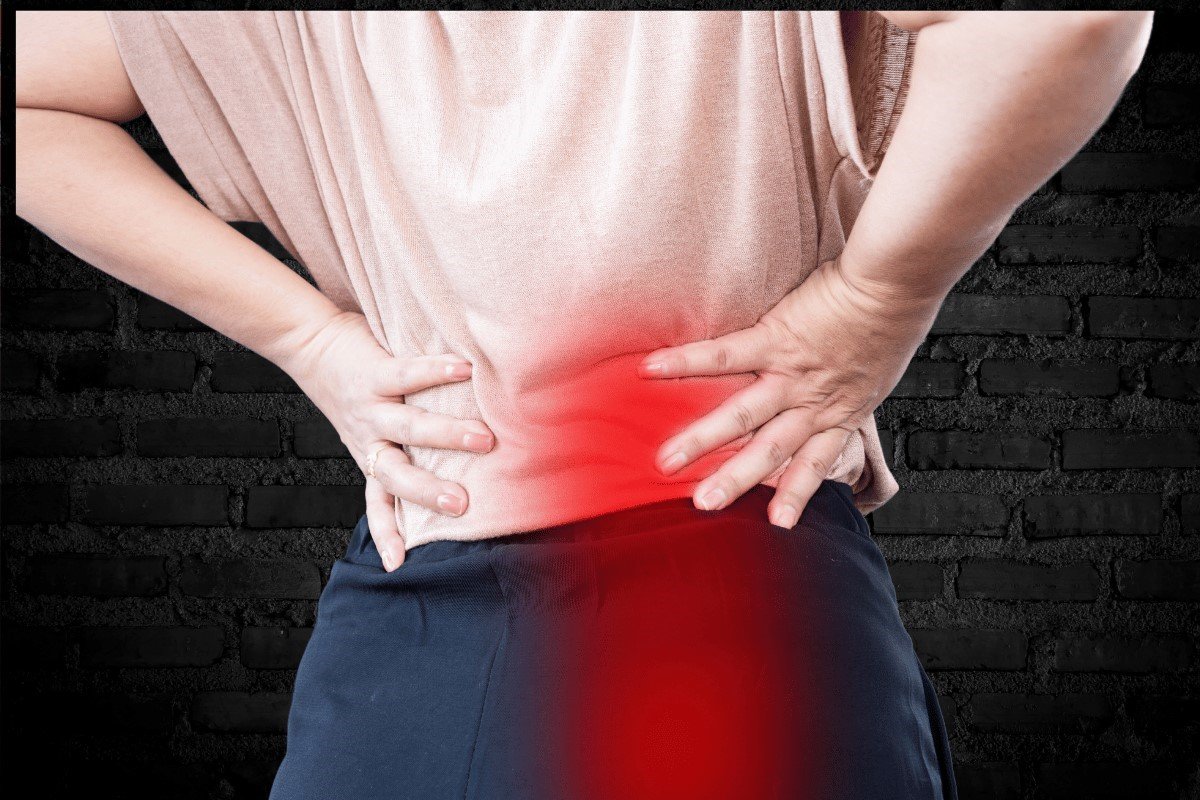
This symptom, much like pelvic pain, may be easily misattributed to other causes in women's health, such as simple muscle strain or other orthopedic issues. But if this back pain persists or is cyclical, it's time to consider endometriosis as a potential culprit and consult a women's health specialist.
4.Endometriosis Pain: The Unyielding Agony
Endometriosis pain is not just confined to the pelvic region; it can be widespread, affecting various parts of the body. Endometriosis pain can be acute or chronic, severely affecting a woman's quality of life. This relentless pain not only impacts physical well-being but also takes a toll on mental health. Women's health clinics often have pain management programs designed specifically for symptoms like endometriosis pain.
5.Bowel Endometriosis: The Overlooked Symptom
Before we explore other aspects like endometriosis causes, it's essential to discuss bowel endometriosis. Bowel endometriosis can affect the colon and even the bowel itself. The symptoms can range from gastrointestinal issues like diarrhea and constipation to more severe symptoms like blood in the stool.
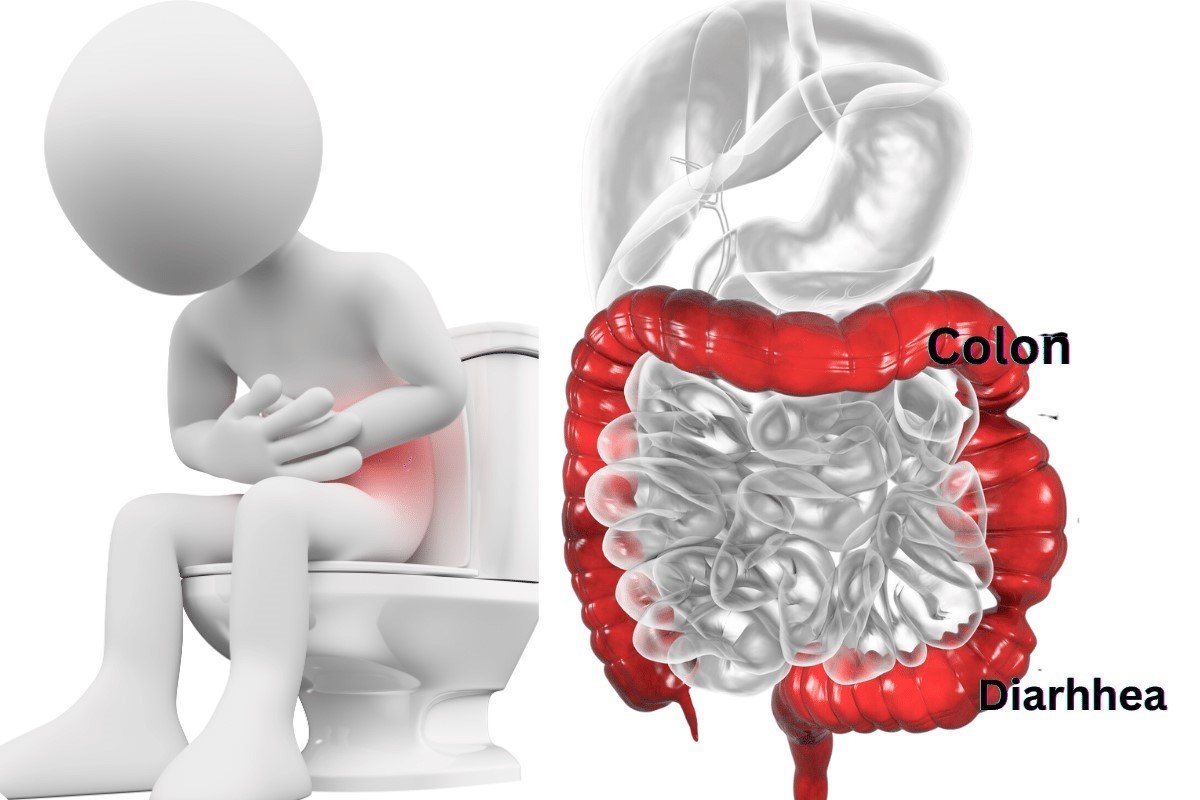
Don't disregard these symptoms as merely digestive problems; consult a women's health specialist immediately if you suspect bowel endometriosis.
6.Endometriosis in Colon: Beyond the Reproductive System
As a part of the wide-ranging signs and symptoms, endometriosis in the colon is particularly challenging to diagnose. The symptoms can often mimic gastrointestinal disorders, leading to misdiagnosis. Women's health needs a more nuanced approach when endometriosis in the colon is suspected. Medical imaging, along with a thorough understanding of women's health issues, is often required to confirm this form of endometriosis.
Endometriosis and PCOS: The Confusing Dilemma
Here's a noodle scratcher: how to know if you have endometriosis or PCOS? It's a common question because endometriosis and PCOS have overlapping symptoms. Though the conditions may seem like identical twins, they are, in fact, more like distant cousins. PCOS focuses on metabolic and hormonal issues, while endometriosis leans more towards inflammation. If you're torn between pcos and endometriosis, get a professional diagnosis.
The Real Causes: Not Just a Guessing Game
So what causes endometriosis? Ah, the million-dollar question. While the exact causes of endometriosis are still a subject of study, hormonal imbalances, genetic factors, and even certain environmental conditions are considered significant contributors. Is endometriosis inherited? The short answer is: maybe. Research indicates a genetic predisposition towards the condition.
The Four Stages of Endometriosis: Unraveling Their Impact on Women's Health
Understanding the landscape of endometriosis is like navigating a complex maze. With four stages, each bringing its unique set of challenges and affecting women's health differently, it's critical to have a nuanced understanding. If you're in the United States, where endometriosis affects more than 11% of American women between 15 and 44, this guide is for you. Let's delve into each of these endometriosis stages—from minimal (endometriosis stage 1) to severe (endometriosis stage 4)—to better grasp how they impact women's health.
1.Minimal Endometriosis: Stage 1 Isn't So Minimal After All
When we talk about endometriosis stage 1, or minimal endometriosis, it's easy to underestimate its impact on women's health. The term 'minimal' can be misleading. In the United States, where women's health issues like endometriosis are becoming increasingly prevalent, endometriosis stage 1 is often diagnosed through endometriosis laparoscopy. At this stage, you'll find isolated implants of endometrial tissue outside the uterus. While this may sound less threatening, even minimal endometriosis can trigger pain and discomfort, affecting the quality of life and overall women's health.
Treatment for endometriosis stage 1 often includes hormonal therapy and non-prescription pain relievers. Laparoscopic surgery for endometriosis may also be considered. Women's health specialists in the United States emphasize early diagnosis and treatment, especially since endometriosis can cause infertility in later stages.
2.Mild Endometriosis: Stage 2 Takes Things Up a Notch
Endometriosis stage 2, or mild endometriosis, is a progression from stage 1 but still considerably less severe than the later stages. In the United States, a country where endometriosis laparoscopic surgery is increasingly being adopted, this stage often involves endometriosis surgery as a treatment option. Women's health can be significantly compromised at this stage, with symptoms ranging from mild to moderate pelvic pain and potentially impacting fertility. When it comes to women's health, endometriosis stage 2 should not be ignored. Treatment usually involves a combination of hormonal treatments, endometriosis surgery, or even endometriosis laparoscopy.
3.Moderate Endometriosis: Stage 3, Where Complexity Begins
Endometriosis stage 3, also termed as moderate endometriosis, takes the severity a notch higher. In the United States, women at this stage often experience more serious implications for their women's health, including higher levels of pain and even fertility challenges. Laparoscopic surgery for endometriosis is frequently recommended, alongside hormonal therapies and other forms of endometriosis surgery.
Endometriosis stage 3 can significantly impact women's health, including causing more severe pain and fertility issues. It's crucial to consult women's health specialists for a comprehensive treatment plan, which often includes endometriosis surgery.
4.Severe Endometriosis: Stage 4, The Critical Phase
When you reach endometriosis stage 4, you're grappling with the most severe form of this condition. The implications for women's health are grave and multifaceted. Severe adhesions, extensive endometrial growth, and even ovarian cysts characterize endometriosis stage 4.
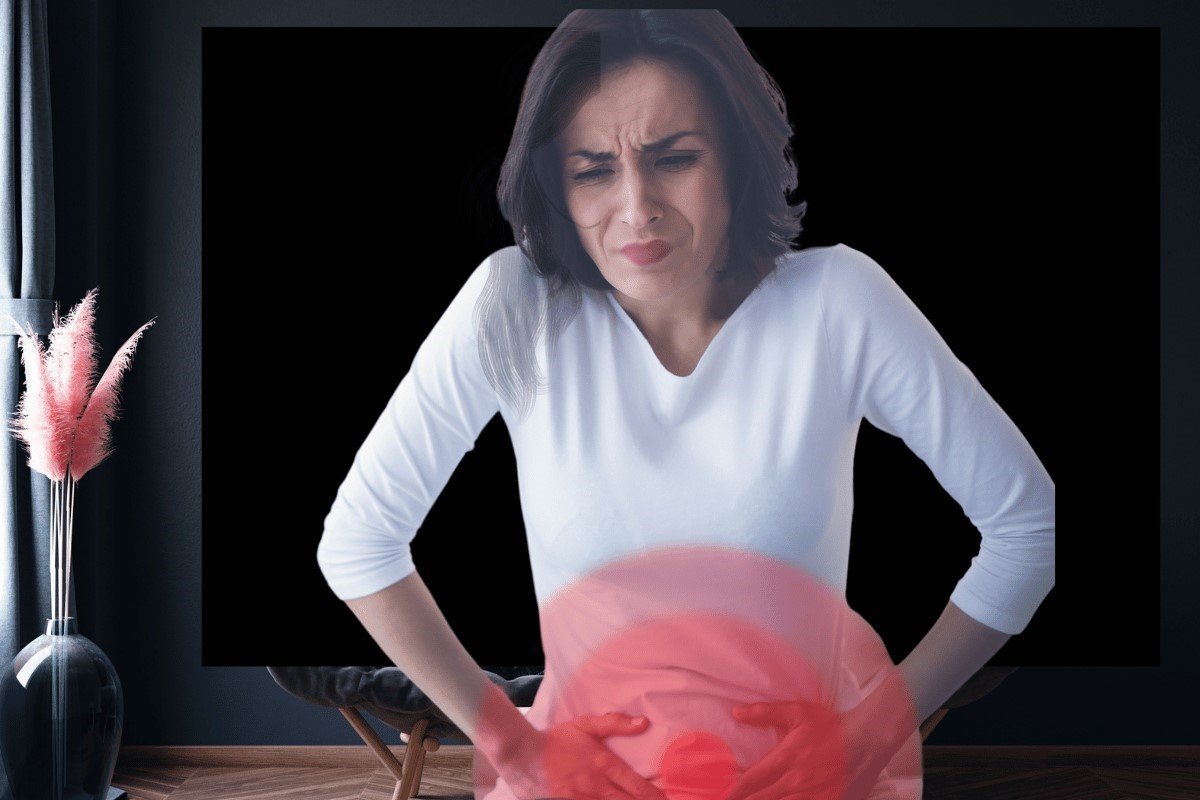
In the United States, where advanced women's health care is available, treatment at this stage often involves multiple forms of endometriosis surgery, including laparoscopic surgery for endometriosis.
Endometriosis stage 4 is a critical juncture in women's health, demanding immediate and aggressive treatment. Women's health specialists often employ a multi-disciplinary approach, involving extensive endometriosis surgery and other treatments to manage the symptoms and implications effectively.
Deciphering Treatment: Surgery or No Surgery?
The topic of endometriosis surgery is often a last resort, but sometimes necessary. Surgery for endometriosis, specifically endometriosis laparoscopic surgery, is the most common treatment for severe cases. In this laparoscopic surgery for endometriosis, small incisions are made to remove the tissue. Another operation for endometriosis could be a laparotomy, a more traditional, invasive approach.
Endometriosis Pain: A Constant Battle
The fight against endometriosis pain is real. The pain can manifest in various forms—from abdominal discomfort to painful intercourse. Female infertility treatment often has to consider this pain, as endometriosis can cause infertility. Does endometriosis cause infertility? Unfortunately, yes. Endometriosis can cause primary infertility, leading many to seek out various female infertility treatment options.
Endometriosis in the United States: A Glimpse into the Statistics
It affects more than 11% of American women between 15 and 44. Interestingly, it is usually common among women in their 30s and 40s. Given that it is a prevalent issue in the United States, understanding endometriosis in uterus, bowel, and other parts is essential for effective treatment.
Is Endometriosis a Disease? Clearing the Air
Alright, let's clear this up. Is endometriosis a disease? Absolutely, yes. And it's a disease that requires comprehensive treatment, which can range from medications to surgery for endometriosis, including endometriosis laparoscopy.
Conclusion: Knowledge is Power
Endometriosis is not a mere condition; it's a complex disease that affects multiple areas of a woman's life, from her physical well-being to her reproductive health. With treatments ranging from endometriosis laparoscopy to hormonal therapies, dealing with this disease is a multi-faceted approach.
So whether you're battling endometriosis in the uterus, colon, or bowel, or puzzling over the overlap between endometriosis and pcos, remember: Knowledge is your most potent weapon.
References
Book An Appointment
Other Important Articles on Site
PCOD Weight Loss
Guide to a PCOS Diet Chart
Learn more about Guide to a PCOS Diet Chart and how it relates to women's health and PCOS management.
Read moreUnderstanding PCOS Acne
Learn more about Understanding PCOS Acne and how it relates to women's health and PCOS management.
Read morePCOS Fertility Guide
Learn more about PCOS Fertility Guide and how it relates to women's health and PCOS management.
Read moreMood Swings and Anxiety in PCOS
Learn more about Mood Swings and Anxiety in PCOS and how it relates to women's health and PCOS management.
Read morePCOS Miscarriage Causes
Learn more about PCOS Miscarriage Causes and how it relates to women's health and PCOS management.
Read morePCOS and Endometriosis
Learn more about PCOS and Endometriosis and how it relates to women's health and PCOS management.
Read moreFlax Seeds Benefits on PCOS
Learn more about Flax Seeds Benefits on PCOS and how it relates to women's health and PCOS management.
Read moreRATINGS AND REVIEWS RECEIVED ON DIFFERENT PLATFORMS
PCOS Treatment in Delhi (PCOS VIdeo Consultation:)

4.8 out of 5 (189 reviews and ratings)
PCOS Specialist in Delhi (PCOS Video Consultation:)
Practo
99% (277 reviews and ratings)
Top PCOS Doctors in Delhi (PCOS Video Consultation:)
Lybrate

4.4 (642 reviews and ratings)
PCOS Treatment for Un-Married (Polycystic Ovary Doctor In Delhi)
Just Dial
4.9 (490 reviews and ratings)
Services Provided at PCOS Ferticure Clinic
- PCOS Treatment in Delhi
- PCOS Treatment
- PCOS Symptoms and Treatment
- PCOS Treatment for Unmarried
- PCOS treatment in unmarried
- PCOS specialist doctor
- PCOS specialist in delhi
- Top PCOS Dcotor in delhi
- Which doctor to consult for PCOS
- PCOS Diagnosis In Delhi
- Book online appointment