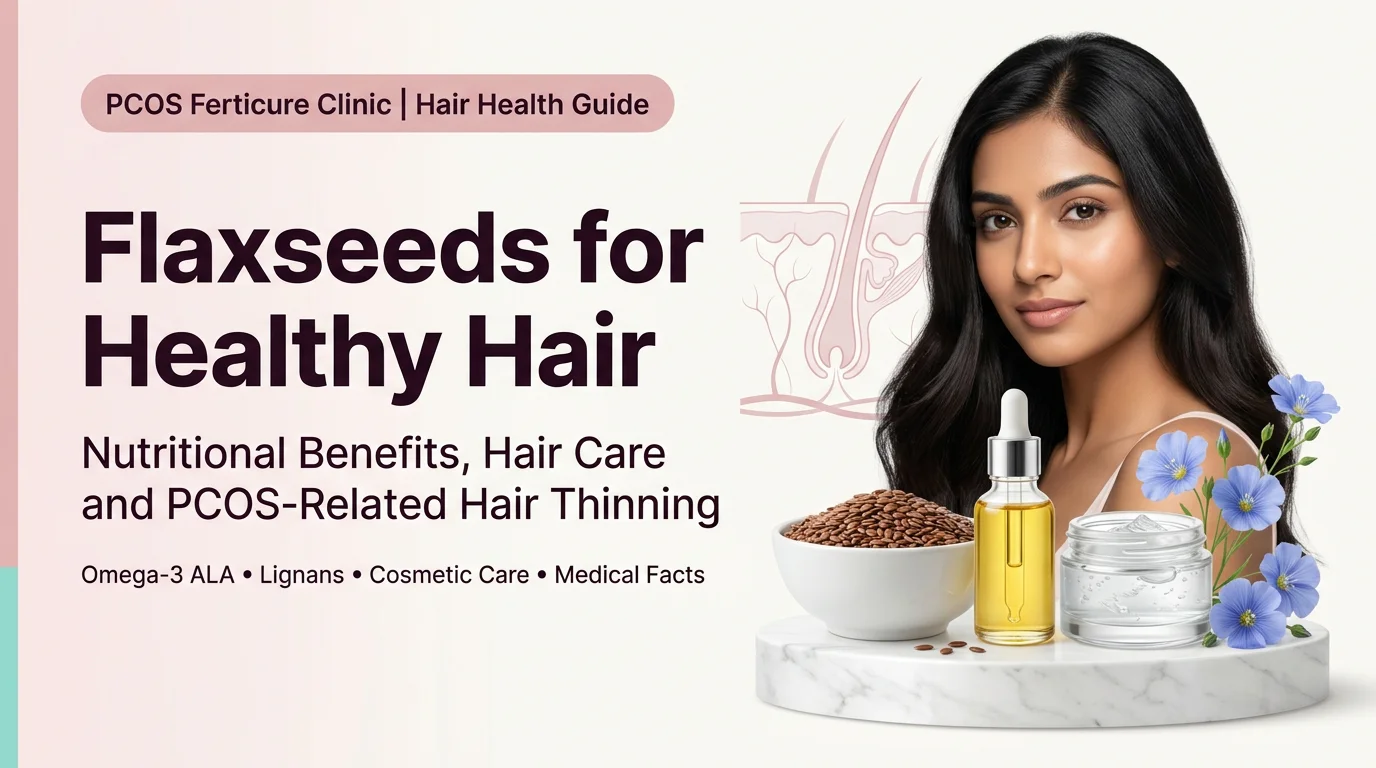
Flaxseed Benefits for Hair: Can Alsi Help with Hair Loss and PCOS-Related Hair Thinning?
Flaxseed (popularly known as Alsi in Hindi) has earned a celebrated reputation across Indian households and social media wellness channels as a natural remedy for lustrous, thicker hair. Rich in plant-based alpha-linolenic acid (ALA omega-3), lignans, dietary fibre, and micronutrients, flaxseed offers established nutritional value when incorporated into a balanced diet, as well as cosmetic conditioning benefits when prepared as a topical styling gel. However, when women experiencing progressive hair thinning—particularly in the context of Polycystic Ovary Syndrome (PCOS)—turn to flaxseeds expecting them to regrow miniaturized hair follicles or reverse hormonal alopecia, clinical disappointment often follows. This comprehensive clinical guide examines what scientific evidence genuinely supports regarding flaxseeds for hair, separates cosmetic surface benefits from follicular regrowth, explores the biological drivers of PCOS-related hair loss, and outlines evidence-based medical treatment pathways.
Can flaxseed regrow lost hair?
Direct clinical evidence for hair regrowth remains limited. While flaxseed provides essential fatty acids and antioxidants that support general scalp health and reduce hair shaft breakage, there are no robust human clinical trials demonstrating that consuming or applying flaxseed can reactivate miniaturized follicles or reverse pattern hair loss.
Is flaxseed useful for women with PCOS?
Yes, as part of a balanced diet. Flaxseeds provide dietary fibre, omega-3 ALA, and antioxidant lignans that preliminary research suggests may support insulin sensitivity and metabolic health. However, dietary flaxseed cannot reliably normalize circulating androgens or replace prescribed evidence-based PCOD treatment.
Is flaxseed gel good for hair?
Yes, for cosmetic styling and conditioning. Homemade flaxseed gel is rich in natural plant mucilage, providing excellent slip, curl definition, light hold, and surface smoothing without drying alcohols or synthetic silicones. It conditions the hair shaft but does not penetrate the scalp to stimulate new hair follicles.
When should hair loss be medically evaluated?
Prompt medical evaluation is warranted if you notice a widening central hair partition, gradual thinning across the crown, sudden diffuse shedding, round bald patches, scalp redness, burning, or hair loss accompanied by irregular periods, adult acne, or excess facial hair.
Choose how you would like to consult
A booking request is not a confirmed appointment. Clinic staff will contact you about the arrangements.
Online consultations across India
Enquire about PCOS, PCOD or fertility consultation arrangements. Staff confirm availability and suitability.
Request an online consultationVisit our clinic in Mehrauli, New Delhi
Request an in-person appointment if you can attend the Mehrauli clinic from Delhi or NCR. Staff confirm your appointment.
Request a clinic consultationOnline consultation information · PCOS care at our Mehrauli clinic · About Dr. Shabnam Sharjil · PCOS and fertility information
1 What Are Flaxseeds (Alsi ke Beej)?
Flaxseed, botanically known as Linum usitatissimum (meaning "most useful flax"), is one of the oldest cultivated crops in human civilization. In India, it is traditionally known as Alsi in Hindi, Jawas in Marathi, Tishi in Bengali, and Ali Vidai in Tamil. The seeds have been valued for millennia both as a textile fibre source (linen) and as an edible oilseed utilized across Ayurvedic wellness and regional Indian culinary traditions.
Commercially and nutritionally, flaxseeds exist in two primary varieties: brown flaxseeds and golden flaxseeds. Both varieties share virtually identical nutritional profiles, providing comparable quantities of alpha-linolenic acid (ALA), dietary fibre, and lignans. While brown flaxseed is the predominant variety harvested in India and features a robust, slightly nutty flavour, golden flaxseed has a milder taste and is frequently preferred in baked goods. In cosmetic hair care, both varieties yield an identical, water-soluble mucilage gel when simmered in water.
Flaxseeds operate through two distinct pathways: systemic nutrition (when ground and ingested, delivering essential fatty acids and antioxidants to the bloodstream) and topical conditioning (when boiled into a water-based gel or applied as cold-pressed oil to coat and lubricate hair shafts). Distinguishing internal biological effects from external surface conditioning is vital for managing clinical expectations.
2 Nutritional Composition of Flaxseeds
The physiological interest in flaxseeds stems from their exceptionally dense nutrient matrix. Based on verified food composition databases (such as the USDA FoodData Central and the Indian Food Composition Tables [IFCT, ICMR-NIN]), whole flaxseeds are among the richest terrestrial sources of the plant-derived omega-3 fatty acid alpha-linolenic acid (ALA), soluble mucilage fibre, and polyphenolic lignans.
| Nutrient Parameter | Per Standard Serving (1 Tbsp / ~10 g Ground) | Per 100 g Whole Seeds | Physiological Relevance to Hair & Scalp |
|---|---|---|---|
| Energy (Calories) | 55 kcal | 534 kcal | Provides cellular energy for high-turnover follicular tissue |
| Alpha-Linolenic Acid (ALA Omega-3) | 2,350 mg | 22,800 mg | Essential fatty acid; supports cellular membranes and scalp hydration |
| Dietary Fibre | 2.8 g (Soluble + Insoluble) | 27.3 g | Supports gut microbiome balance and glycemic regulation |
| Plant Protein | 1.9 g | 18.3 g | Provides amino acid precursors (arginine, glutamine) for keratin |
| Lignans (Secoisolariciresinol Diglucoside - SDG) | 30 – 70 mg | 300 – 700 mg | Potent polyphenolic antioxidants; 75 to 800 times richer than other foods |
| Magnesium | 40 mg (10% Daily Value) | 392 mg | Involved in protein synthesis and cellular energy production |
| Thiamine (Vitamin B1) | 0.16 mg (14% Daily Value) | 1.64 mg | Supports mitochondrial energy metabolism within hair matrices |
| Zinc | 0.43 mg | 4.34 mg | Trace enzymatic cofactor involved in hair tissue repair and growth cycles |
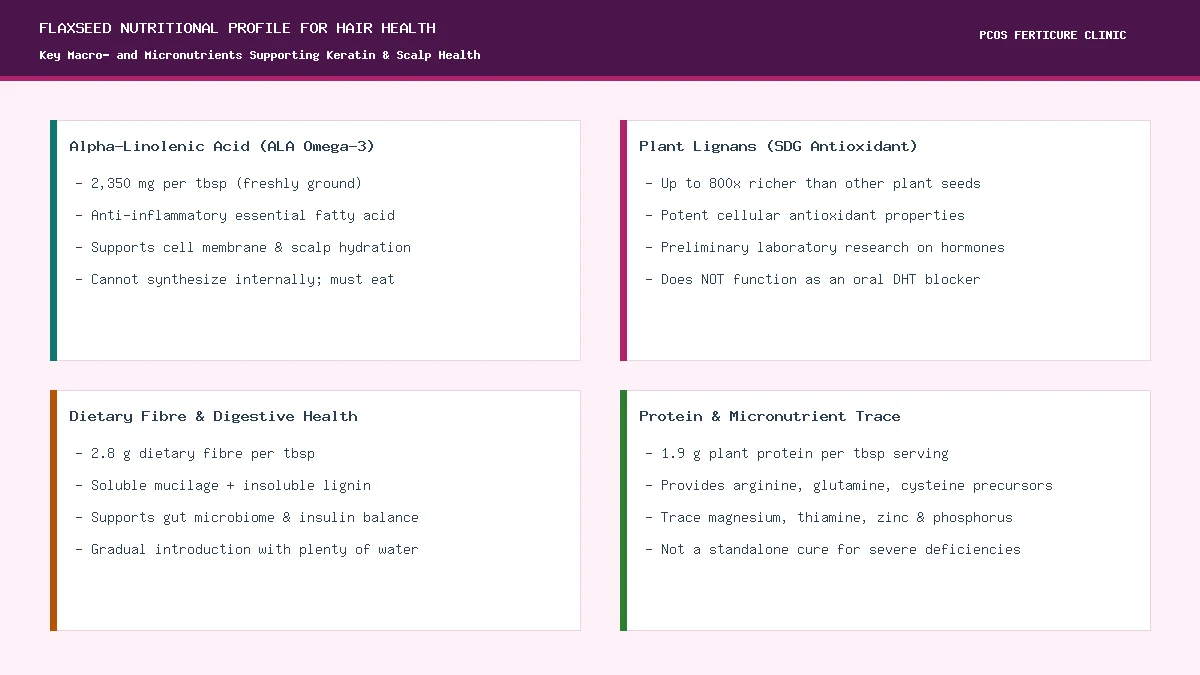
While this profile is extraordinarily nutritious, it is important to emphasize a fundamental pharmacological principle: high nutrient density does not transform a food into a medical cure for androgen-mediated follicular disorders. Eating flaxseeds provides nutritional raw materials, but cannot override the genetic androgen sensitivity driving female pattern hair loss.
3 Why Hair Health Depends on Nutrition
The human hair follicle is among the most metabolically active structures in the body. Matrix cells within the bulb divide rapidly to generate the keratin protein filament that emerges as the hair shaft. Because hair is non-essential for survival, the body readily diverts energetic and nutritional resources away from hair production during times of physiological stress, severe calorie restriction, systemic illness, or nutritional deficiency.
Key nutritional components required for optimal hair cycling include:
- Adequate Dietary Protein: Hair shafts are composed of approximately 85% to 90% keratin, a fibrous structural protein. Insufficient dietary protein forces follicles into a premature resting (telogen) phase.
- Iron Stores (Serum Ferritin): Ferritin acts as an intracellular iron storage buffer. Low ferritin levels (frequently below 30–50 ng/mL), common among Indian women due to heavy menstrual losses or vegetarian diets, impair follicle matrix proliferation even in the absence of frank anemia.
- Essential Fatty Acids: Deficiencies in omega-3 and omega-6 fatty acids can lead to scalp dryness, transepidermal water loss, brittle hair shafts, and increased mechanical breakage.
- Micronutrient Sufficiency: Zinc, selenium, vitamin D, and B-complex vitamins act as cofactors in DNA synthesis and cellular division within the follicular bulb.
Crucially, excessive supplementation can also precipitate hair loss. High doses of vitamin A, vitamin E, or selenium have established toxicities that trigger diffuse shedding (telogen effluvium). Nutritional strategies should focus on balanced, whole-food dietary patterns—such as our Indian PCOS diet chart—rather than unmonitored megadosing.
4 Potential Flaxseed Benefits for Hair
When evaluated objectively, flaxseeds offer several genuine, supportive benefits for hair and scalp care:
Dietary Omega-3 Support
Provides plant-based ALA, supporting the systemic production of anti-inflammatory eicosanoids that help maintain a calmer scalp microenvironment.
Reduced Shaft Breakage
Topical flaxseed gel coats the hair cuticle, smoothing elevated scales, reducing combing friction, and minimizing mechanical breakage along the shaft.
Natural Curl Definition
The high soluble mucilage content acts as a film-forming humectant, sealing moisture into wavy, curly, or frizzy hair without flaking or stiffness.
Scalp Lubrication
Cold-pressed flaxseed oil provides lipid emollients that can soften dry, flaky scalps when used as an occasional pre-shampoo conditioning massage.
Notice that all established benefits pertain to hair shaft quality, physical manageability, and scalp surface comfort. None of these mechanisms represent follicular regeneration or hormonal androgen suppression.
5 Does Flaxseed Genuinely Promote Hair Growth?
To answer this question scientifically, we must distinguish between three very different clinical outcomes that are frequently conflated in beauty media:
- Cosmetic Hair Conditioning: Making existing hair feel smoother, look shinier, and manage curls better. Flaxseed gel achieves this effectively.
- Reduced Hair Breakage: Preventing hair strands from snapping mid-length due to dryness or friction, allowing hair to retain length over time. Flaxseed nutrition and topical gel can help with this.
- Follicular Hair Regrowth: Stimulating miniaturized, dormant, or apoptotic hair follicles at the scalp level to produce thicker, terminal hairs in conditions like female pattern alopecia. Flaxseed does NOT have clinical proof for this outcome.
Currently, there are zero randomized controlled trials in humans demonstrating that flaxseed or flaxseed oil regrows hair in female pattern hair loss. Animal studies and cell culture experiments suggesting increased hair follicle counts cannot be extrapolated to clinical medical practice. Presenting hair shaft conditioning as equivalent to treating hormonal alopecia is misleading and delays evidence-based clinical intervention.
6 Understanding Hair Loss in Women with PCOS
Hair thinning in women with Polycystic Ovary Syndrome—clinically designated as Female Pattern Hair Loss (FPHL) or androgenetic alopecia—is driven by complex neuroendocrine interactions rather than poor hygiene or superficial dryness.
The primary pathophysiological mechanism involves hyperandrogenism and follicular sensitivity:
- Androgen Excess & Local Conversion: Ovarian theca cells in women with PCOS produce excess androgens (testosterone and androstenedione). Within genetically susceptible hair follicles on the scalp, the enzyme 5-alpha reductase converts testosterone into dihydrotestosterone (DHT), a potent androgen.
- Follicular Miniaturization: When DHT binds to follicular androgen receptors in the crown and vertex regions, it triggers a progressive shortening of the anagen (growth) phase and prolongs the telogen (resting) phase. Over successive hair cycles, thick, pigmented terminal hairs are replaced by thin, fine, unpigmented vellus hairs.
- Low Sex Hormone-Binding Globulin (SHBG): Hyperinsulinemia and insulin resistance in PCOS suppress liver production of SHBG. With fewer binding proteins available, a higher proportion of circulating testosterone remains in the "free," biologically active fraction capable of entering hair follicles.
Not every woman with PCOS develops hair thinning (it affects approximately 20% to 30% of patients). Furthermore, experiencing hair thinning alone does not confirm a PCOS diagnosis; comprehensive evaluation under our PCOS diagnosis protocol requires documenting ovulatory dysfunction and Rotterdam clinical criteria.
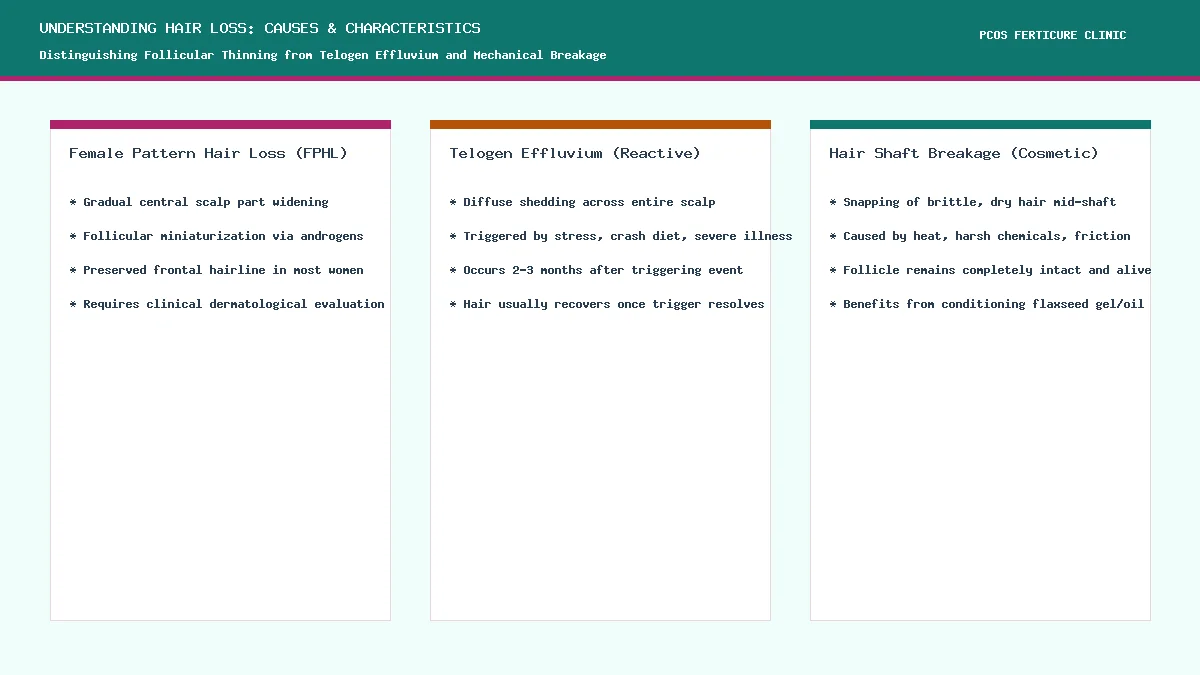
7 PCOS-Related Hair Thinning Versus Other Causes
Because multiple distinct conditions cause hair shedding, accurate differential diagnosis is essential before initiating any nutritional or medical intervention:
| Condition | Typical Scalp Pattern | Underlying Cause | Key Associated Symptoms | When to Seek Evaluation |
|---|---|---|---|---|
| PCOS / Female Pattern Hair Loss (FPHL) | Gradual widening of central part; diffuse thinning over crown; frontal hairline preserved | Follicular androgen sensitivity (DHT) + low SHBG | Irregular periods, hirsutism, cystic acne, weight gain | Progressive thinning over 6+ months; family history |
| Telogen Effluvium (Reactive) | Sudden diffuse shedding across entire scalp; handfuls in shower | Acute stressor, high fever, surgery, severe calorie restriction | No part widening initially; high bulb shedding count | Shedding lasting >3 months; unexplained fatigue |
| Iron Deficiency / Low Ferritin | Diffuse scalp thinning without distinct pattern; brittle hair | Inadequate ferritin (<30 ng/mL) starving follicle matrix | Fatigue, cold intolerance, pale conjunctiva, heavy menses | Heavy menstrual bleeding; persistent fatigue |
| Thyroid Dysfunction (Hypo/Hyper) | Uniform dry, coarse, thinning hair; thinning outer eyebrow thirds | Thyroid hormone disruption altering follicular cycling | Weight changes, dry skin, constipation, mood swings | Unexplained weight shifts, extreme cold/heat sensitivity |
| Alopecia Areata | Round or oval, completely smooth bald patches | Autoimmune attack on hair follicle bulb | Nail pitting, sudden discrete patch formation | Sudden appearance of any smooth coin-shaped bald spot |
| Traction Alopecia | Recession along hairline, temples, and forehead margins | Chronic mechanical tension from tight braids, buns, or ponytails | Scalp tenderness, small bumps at follicular base | Receding temples; immediate cessation of tight styles needed |
| Scalp Dermatitis (Seborrheic) | Greasy yellowish scales, red patches, burning, localized shedding | Malassezia yeast overgrowth + sebum inflammatory cascade | Intense itching, flaky scalp, worsening with oiling | Persistent scalp itching, redness, or painful crusting |
8 Flaxseed, Hormones and Androgen Activity
Much of the enthusiasm surrounding flaxseed for PCOS stems from its high concentration of lignans, predominantly secoisolariciresinol diglucoside (SDG). In the human colon, gut bacteria metabolize SDG into the mammalian phytoestrogens enterodiol and enterolactone.
In laboratory and test-tube models, enterolactone has shown weak binding affinity to estrogen receptors and can modestly stimulate the liver's production of Sex Hormone-Binding Globulin (SHBG). This prompted hypotheses that flaxseed consumption might increase SHBG in women with PCOS, thereby binding more free testosterone and mitigating androgenic symptoms like hair thinning and acne.
However, clinical realities differ significantly from benchtop hypotheses:
- Flaxseed is NOT an established DHT blocker: Unlike pharmaceutical 5-alpha reductase inhibitors (such as finasteride or dutasteride) or androgen receptor antagonists (such as spironolactone), flaxseed has never been demonstrated in clinical trials to reliably suppress follicular DHT levels.
- No Proof of Androgen Normalization: Rigorous clinical trials show mixed, modest, or statistically insignificant changes in total and free testosterone in women consuming dietary flaxseed.
- Cannot Replace Medical Therapies: Relying on flaxseed as an alternative to prescribed hormonal regulation or dermatological treatment allows follicular miniaturization to advance unchecked, making future recovery more difficult.
9 What Does Scientific Research Say About Flaxseed and PCOS?
To date, the most comprehensive synthesis of clinical evidence is the systematic review published by Emamat et al. (2023) titled "The effects of flaxseed or its oil supplementations on polycystic ovary syndrome: A systematic review of clinical trials" (PMID: 36433633).
The authors reviewed randomized and quasi-randomized trials evaluating flaxseed powder (typically 30 g/day) or flaxseed oil in women with PCOS. The key findings were:
- Metabolic & Glycemic Parameters: Flaxseed supplementation demonstrated modest, favourable improvements in fasting blood glucose, insulin resistance (HOMA-IR), triglycerides, and waist circumference, largely mediated by its high soluble fibre content.
- Hormonal Outcomes: Findings regarding testosterone, dehydroepiandrosterone sulfate (DHEAS), and LH/FSH ratios were heterogeneous and inconsistent. While some small trials noted modest reductions in total testosterone, others found no significant hormonal shifts compared to control diets.
- Hair Loss & Regrowth: None of the clinical trials documented objective improvements in hair density, hair diameter, or reversal of female pattern alopecia.
The scientific conclusion is clear: flaxseed is a beneficial, nutrient-dense functional food that may support metabolic and insulin sensitivity goals within a broader PCOS metabolic management plan, but it should not be promoted as a clinical treatment for hair loss.
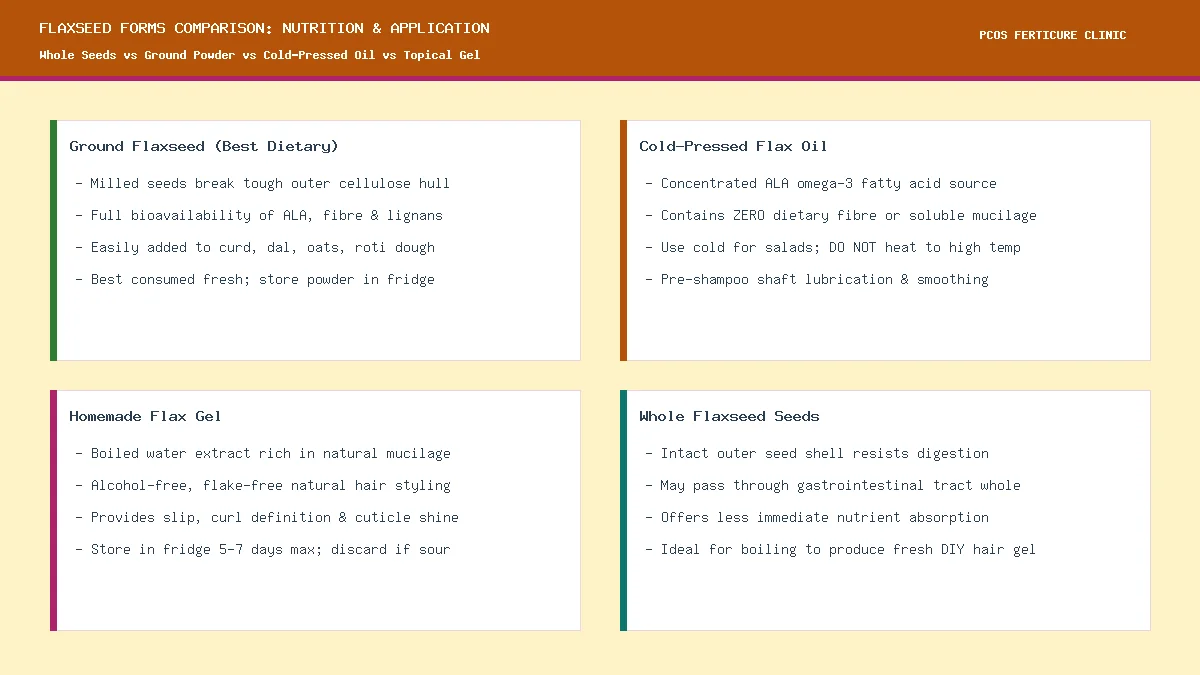
10 Whole Flaxseed, Ground Flaxseed, Flaxseed Oil and Gel: Comparing Forms
How flaxseed is prepared profoundly alters its biological availability, nutrient profile, and cosmetic utility:
| Product Form | Nutritional Bioavailability | Typical Usage | Potential Cosmetic Utility | Key Limitations & Safety |
|---|---|---|---|---|
| Ground Flaxseed (Flax Meal) | Highest. Cracking the tough outer hull releases ALA, lignans, protein, and soluble fibre. | 1–2 tablespoons daily mixed in curd, dal, smoothies, or roti dough | Systemic nutritional support for overall metabolic and cellular health | Oxidizes quickly; must be stored in airtight container in refrigerator |
| Whole Raw Flaxseeds | Low for nutrition. Intact cellulose hull resists human digestive enzymes and passes whole. | Boiled in water to extract mucilage gel; baked on bread crusts | Ideal source for making fresh DIY topical styling gel at home | Swallowing whole seeds provides minimal nutrient absorption |
| Cold-Pressed Flax Oil | High for ALA; ZERO for fibre/lignans. Concentrated fatty acid extract without seed matrix. | Cold salad drizzle; occasional pre-shampoo hair shaft conditioning | Lubricates dry hair shafts; adds shine and reduces cuticle friction | Never heat to cooking/frying temperatures; highly unstable to heat and light |
| Homemade Flaxseed Gel | Zero systemic nutrition. Water-soluble polysaccharide extract applied topically. | Applied to damp hair as a natural styling aid, curl definer, or light hold | Excellent slip, soft curl definition, zero alcohol, zero product flaking | Preservative-free; spoils in 5–7 days; will not stimulate hair follicles |
11 How to Include Flaxseed in an Indian Diet
To reap the genuine nutritional advantages of flaxseeds, they should be incorporated as regular culinary foods rather than treated as a punitive medicinal dose:
- Recommended Serving: 1 to 2 tablespoons (approximately 10 to 20 grams) of freshly ground flaxseed per day is an evidence-supported, safe dietary amount for adult women.
- Always Grind Before Eating: Whole flaxseeds have a hard outer shell that human digestive enzymes cannot penetrate. Grind whole seeds in a clean spice grinder or mixer-grinder, and store the ground meal in an opaque, airtight glass container in the refrigerator for up to 2–3 weeks.
- Versatile Indian Culinary Additions:
- Stir 1 tablespoon of ground flaxseed into a bowl of fresh homemade curd or raita.
- Mix ground flaxseed into warm dal tadka, vegetable soup, or sambar just before serving.
- Incorporate 2 tablespoons of ground flaxseed per cup of whole wheat atta when kneading daily roti dough.
- Sprinkle over morning vegetable oats porridge, poha, or chia-seed pudding.
- Blend into vegetable smoothies alongside spinach, cucumber, and unsweetened plant milk.
- Essential Hydration Rule: Flaxseed contains abundant soluble mucilage fibre that absorbs multiple times its weight in water. Always consume flaxseeds with adequate fluids (at least 200–250 mL of water per tablespoon) to avoid digestive cramping or constipation.
12 DIY Flaxseed Hair Gel: Safe Preparation and Cosmetic Application
One of the most practical and harmless ways to utilize flaxseed is making a clean, homemade styling gel. This natural preparation is particularly popular among individuals with wavy, curly, or frizzy hair looking to avoid drying alcohols and synthetic polymers.
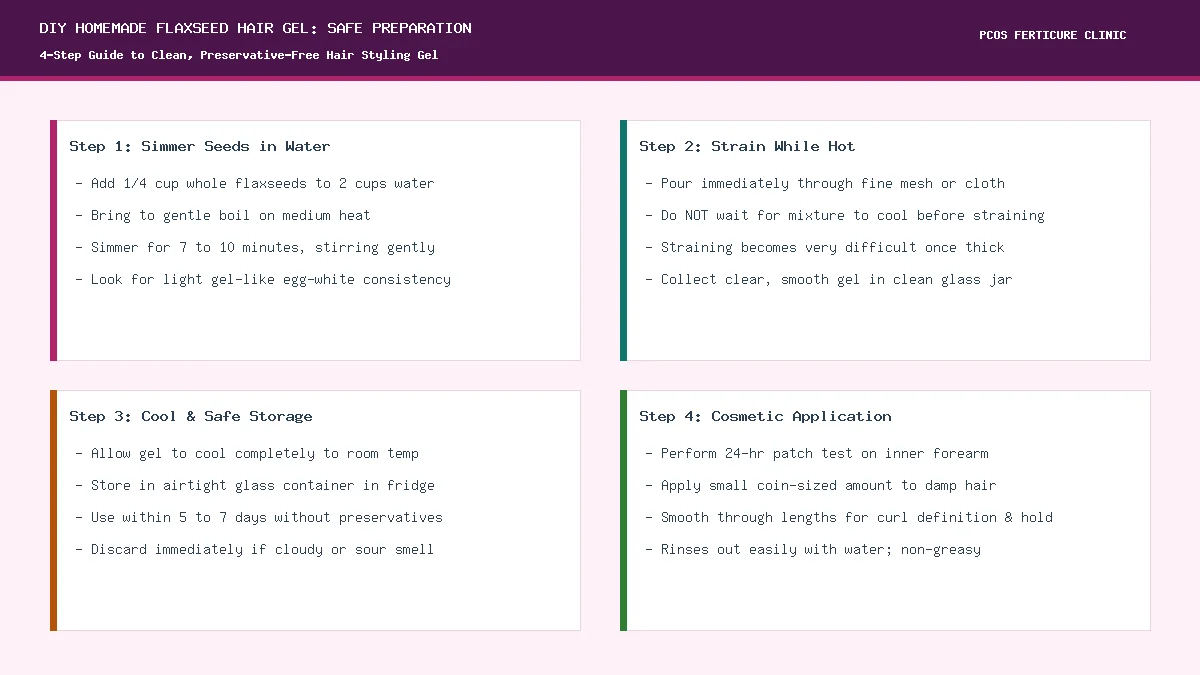
Homemade Flaxseed Styling Gel Recipe
Combine & Simmer
Add 1/4 cup whole brown or golden flaxseeds to 2 cups of clean filtered water in a stainless steel saucepan. Bring to a gentle boil on medium heat, stirring occasionally.
Watch Consistency
Simmer for 7 to 10 minutes. As mucilage extracts, the liquid thickens into a consistency resembling raw egg whites, with light white foam on the surface. Turn off heat immediately.
Strain While Hot
Crucial: Pour through a fine mesh metal strainer or clean cotton cheesecloth immediately while boiling hot into a sanitized glass jar. Once cooled, straining becomes nearly impossible.
Cool & Refrigerate
Allow gel to cool completely to room temperature. Seal tightly and store in the refrigerator. Because it contains no antimicrobial preservatives, use within 5 to 7 days.
Preservative-free botanical gels are vulnerable to microbial contamination. Discard immediately if the gel develops a sour, fermented smell, changes colour, becomes cloudy, or shows any signs of mold. Never apply spoiled botanical preparations to your scalp. Always perform a 24-hour patch test on your inner forearm before first use.
13 Flaxseed Hair Mask: Conditioning Recipe and Realistic Expectations
Traditional hair-care blogs often recommend a homemade flaxseed hair mask combining ground flaxseeds, plain curd (yogurt), and honey.
- Ingredients: 2 tablespoons freshly finely ground flaxseed + 2 tablespoons fresh unsweetened curd + 1 teaspoon pure honey (or 1 tablespoon pure aloe vera gel).
- Application: Mix into a smooth paste. Apply primarily along the lengths and ends of damp hair, focusing on dry sections. Leave on for 15 to 20 minutes.
- Rinsing: Rinse thoroughly with lukewarm water, followed by a mild sulfate-free shampoo to remove ground seed particulates.
Realistic Medical Expectations: This mask acts as an intensive cosmetic conditioning treatment. Curd provides lactic acid that gently cleanses surface debris, honey functions as a humectant, and flaxseed lipids coat the hair cuticle. However, it will not halt hormonal shedding or trigger new hair growth at the follicular level. Furthermore, individuals with active scalp conditions like seborrheic dermatitis, dandruff, folliculitis, or eczema should avoid applying food-based pastes to the scalp, as fermentable sugars and dairy fats can exacerbate fungal yeast (Malassezia) proliferation.
14 Flaxseed Oil for Hair and Scalp: Topical Use and Limitations
Cold-pressed flaxseed oil can serve as a lightweight, plant-based conditioning oil for dry, brittle hair strands. Applying 2 to 3 drops to the mid-lengths and ends helps seal moisture after washing, smooth flyaways, and impart a healthy cosmetic shine.
Certain outdated internet articles advise adding flaxseeds to oil, boiling the mixture for 5 to 10 minutes, and applying hot oil to the scalp. This is dangerous and chemically destructive:
- Flaxseed oil has a very low smoke point (approx. 107°C / 225°F) and oxidizes rapidly when heated, forming harmful lipid peroxides and free radicals.
- Applying hot oils to the scalp poses severe risks of thermal burns and scalp barrier inflammation.
- Always use pure unheated, cold-pressed flaxseed oil stored in dark amber glass bottles. Apply at comfortable room temperature.
Additionally, avoid leaving heavy oils on your scalp overnight if you have an oily scalp, acne, or dandruff. Excessive scalp occlusion encourages fungal overgrowth and can paradoxically worsen telogen shedding.
15 Flaxseed Water and Hair Rinses
A dilute flaxseed water rinse is prepared by boiling 1 tablespoon of whole flaxseeds in 3 cups of water for only 3 to 4 minutes (stopping before a thick gel forms), straining out the seeds, and allowing the liquid to cool completely.
Used as a final rinse after shampooing, flaxseed water deposits a lightweight micro-film of polysaccharides across the hair cuticle, temporarily smoothing roughness and imparting subtle shine. While pleasant and non-toxic, it should be recognized as a cosmetic conditioning rinse rather than a follicular treatment. Claims that flaxseed water rinses "stimulate the roots" or "block scalp DHT" are entirely devoid of clinical scientific evidence.
16 Hair-Care Habits That May Reduce Breakage
Many women who believe their hair is "falling out rapidly" are actually experiencing severe mechanical hair shaft breakage rather than loss from the follicular bulb. Adopting protective hair-care practices helps preserve hair density along the lengths:
- Gentle Detangling: Always detangle hair starting from the ends and working upward toward the roots using a wide-tooth wooden comb or flexible detangling brush. Avoid aggressive brushing when hair is soaking wet and most fragile.
- Eliminate High-Tension Hairstyles: Tight buns, high ponytails, tightly braided extensions, and heavy hair accessories exert continuous mechanical traction on frontal and temporal follicles, causing permanent traction alopecia over time.
- Moderate Thermal Styling: Frequent high-heat blow-drying, curling wands, and flat irons denature the alpha-keratin structure of the hair cortex, causing "bubble hair" and irreversible brittleness. Always apply a heat-protectant product and keep temperatures moderate.
- Protect During Sleep: Sleeping on a smooth silk or satin pillowcase reduces overnight friction and prevents knotting compared to coarse cotton fabrics.
- Gentle Cleansing: Wash the scalp as frequently as your oil production requires using a gentle, pH-balanced shampoo. A clean scalp provides a healthier foundation than one clogged by product residue and excess sebum.
17 Side Effects and Precautions
Although flaxseed is a natural food, it possesses potent biological and physiological properties that necessitate sensible precautions:
- Gastrointestinal Distress: Introducing large quantities of flaxseed abruptly can trigger significant abdominal bloating, flatulence, cramping, and loose stools. Begin with 1 teaspoon daily and increase gradually to 1–2 tablespoons over 2–3 weeks while drinking plentiful water.
- Allergic Contact Dermatitis: While rare, topical flaxseed gel or oil can trigger allergic contact dermatitis or scalp urticaria in sensitized individuals. Always perform a patch test on the inner forearm for 24 hours prior to scalp application.
- Anticoagulant & Antiplatelet Interactions: High dietary intakes of omega-3 fatty acids may exert mild antiplatelet effects. Women taking blood-thinning medications (e.g., aspirin, warfarin, heparin) or scheduled for surgical procedures should consult their physician regarding concentrated flax supplementation.
- Blood Glucose Medication Interactions: Soluble fibre slows carbohydrate absorption and may enhance the hypoglycemic effect of medications like metformin. Monitor blood glucose levels carefully if starting regular flaxseed intake alongside anti-diabetic therapies.
- Pregnancy and Breastfeeding: While normal dietary amounts of flaxseed in food preparations (such as rotis or dal) are generally considered safe, concentrated flaxseed supplements, high-dose lignan extracts, and flaxseed oil capsules are not recommended during pregnancy due to phytoestrogenic hormonal effects. Review our comprehensive pregnancy management guide for safe antenatal nutrition.
18 Medical Evaluation of Persistent Hair Loss
When hair thinning is progressive, prolonged, or accompanied by hormonal irregularities, self-treating with dietary seeds or DIY gels delays diagnosis. A thorough medical evaluation by a gynaecologist or dermatologist encompasses:
- Clinical & Menstrual History: Reviewing cycle regularity, duration, contraceptive use, pregnancy history, medications, rapid weight changes, and family history of female pattern alopecia.
- Scalp Examination & Trichoscopy: Using a specialized polarized dermatoscope (trichoscopy) to inspect the scalp surface. Trichoscopy easily differentiates FPHL (hair diameter diversity >20%, yellow dots, peripilar signs) from telogen effluvium (short upright regrowing hairs) and alopecia areata (exclamation mark hairs, black dots).
- Targeted Biochemical Blood Investigations:
- Iron Status: Complete Blood Count (CBC) and Serum Ferritin (target >50 ng/mL for optimal hair cycling).
- Thyroid Panel: Serum TSH and Free T4 to exclude hypo- or hyperthyroidism.
- Androgen Profile: Total Testosterone, Free Testosterone, DHEAS, and 17-Hydroxyprogesterone (measured in the early morning follicular phase).
- Metabolic Markers: Fasting Plasma Glucose, HbA1c, and Lipid Profile to evaluate underlying insulin resistance.
- Vitamin Levels: Serum Vitamin D3 and Vitamin B12.
Notice that testing should be targeted and individualized based on clinical presentation rather than an arbitrary commercial mega-package. Explore our clinical irregular periods investigation guide to understand how cycle irregularities and androgens are clinically assessed.
19 Evidence-Based Treatment Options for Female Pattern Hair Loss
Unlike dietary remedies, clinical dermatology and endocrinology provide treatments with demonstrated efficacy in halting follicular miniaturization and promoting terminal hair regrowth in female pattern alopecia:
- Topical Minoxidil (2% Solution or 5% Foam): The only FDA- and DCGI-approved first-line topical treatment for female pattern hair loss. Minoxidil acts as a potassium channel opener, extending the anagen (growth) phase and enlarging miniaturized follicles. It requires consistent daily application for at least 4 to 6 months before initial regrowth becomes visible.
- Combined Oral Contraceptives (COCs): In women with PCOS not seeking immediate pregnancy, COCs containing an anti-androgenic progestin (such as drospirenone or cyproterone acetate) suppress ovarian androgen production and increase hepatic SHBG synthesis, lowering circulating free testosterone.
- Oral Anti-Androgens (Spironolactone / Cyproterone): Spironolactone competitively blocks androgen receptors at the hair follicle and inhibits 5-alpha reductase. It is prescribed under specialist medical supervision and strictly requires reliable contraception due to teratogenicity risks (feminization of a male fetus).
- Correction of Documented Deficiencies: Targeted therapeutic iron (ferrous bisglycinate or ascorbate) to restore ferritin levels, alongside vitamin D3 supplementation when deficiency is clinically documented.
- Platelet-Rich Plasma (PRP) Therapy: Selected dermatological clinics offer autologous PRP injections into the scalp. While preliminary trials suggest potential improvements in hair density when combined with medical therapy, PRP hair treatment is an adjunctive procedure with variable evidence quality, not a universal standalone cure.
20 Flaxseed Versus Medical Hair-Loss Treatment
To help you make informed, realistic choices for your hair health, this clinical summary table contrasts flaxseed modalities against established medical approaches:
| Intervention | Intended Purpose | Scientific Evidence Strength | Clinical Limitations | Medical Supervision Required? |
|---|---|---|---|---|
| Dietary Flaxseed (1–2 tbsp/day) | Systemic nutrition; omega-3 ALA; dietary fibre; metabolic support | Moderate for glycemic/lipid health; Zero for hair regrowth | Cannot block follicular DHT or regrow miniaturized hair | No (Standard dietary food) |
| Homemade Flaxseed Gel | Cosmetic styling; curl definition; surface lubrication; reduced breakage | Strong for cosmetic conditioning; Zero for follicular growth | Coats hair shaft only; short shelf life (5–7 days); easily washes out | No (External cosmetic aid) |
| Cold-Pressed Flax Oil (Topical) | Hair shaft lubrication; pre-shampoo moisture sealing; shine | Moderate for shaft softness; Zero for follicle stimulation | Cannot heat; can aggravate seborrheic dermatitis if left on scalp | No (External cosmetic aid) |
| Nutritional Deficiency Correction (Iron/Vit D) | Restoring biological cellular reserves needed for follicular cycling | Strong (Restoring low ferritin <30 ng/mL reverses telogen shedding) | Ineffective if hair loss is driven primarily by androgens rather than deficiency | Yes (Requires lab blood tests and clinical monitoring) |
| Topical Minoxidil (2% or 5%) | Stimulating follicular anagen prolongation and reversing miniaturization | Very Strong (Gold-standard FDA/DCGI first-line clinical evidence) | Requires lifelong consistent use; temporary initial shedding; scalp irritation | Yes (Dermatologist guidance recommended) |
| Anti-Androgens (Spironolactone / COCs) | Systemic suppression of androgens and follicular receptor blockade | Strong (Validated in clinical guidelines for androgenetic alopecia) | Strict contraception required (teratogenic); potential systemic side effects | Yes (Strict specialist prescription required) |
| In-Clinic PRP Therapy | Delivering autologous growth factors to stimulate follicular vascularity | Emerging / Moderate (Effective as an adjunct, variable protocols) | Requires multiple costly in-clinic sessions; evidence of permanence is limited | Yes (Performed by qualified medical doctor) |
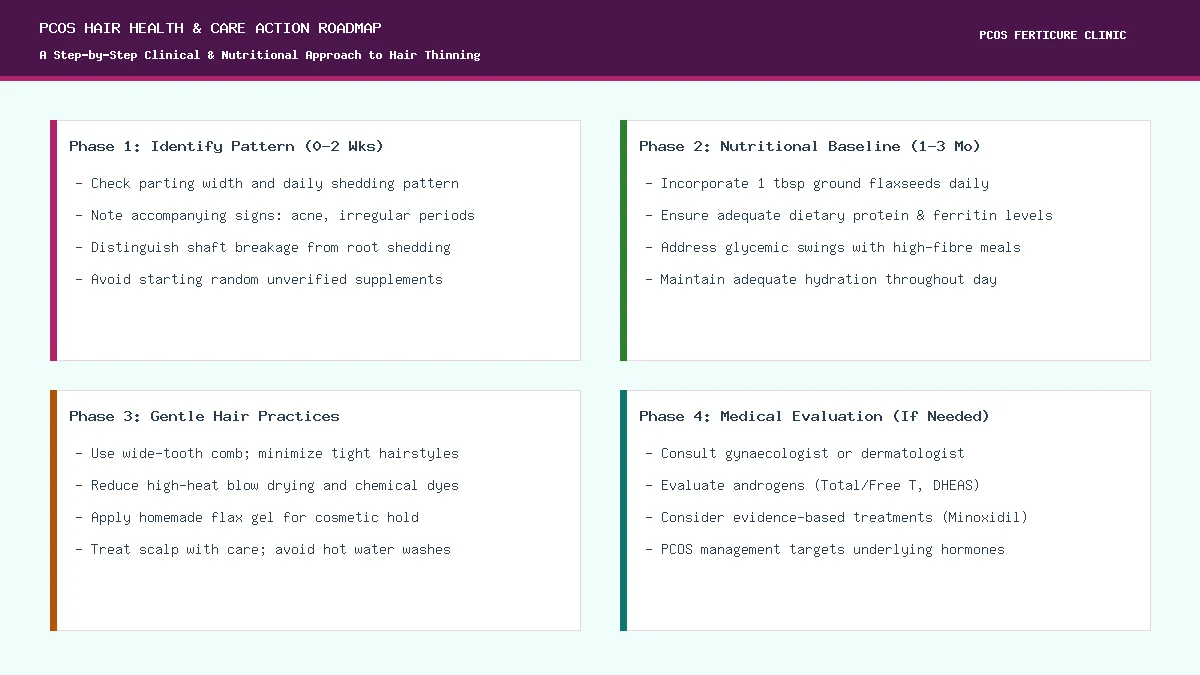
21 Practical Hair-Health Action Plan
Navigating hair health with PCOS requires a balanced, patient-friendly roadmap combining sound nutrition, gentle cosmetic care, and timely clinical intervention:
Recognize the Pattern
Observe whether your hair is snapping mid-shaft (breakage) or shedding from the root (bulb intact). Check for a widening central part and note accompanying signs such as irregular periods, acne, or hirsutism.
Establish Nutritional Baseline
Incorporate 1 tablespoon of freshly ground flaxseed daily into curd or dal. Ensure adequate dietary protein, leafy greens, and balanced meals that stabilize insulin. Drink 2 to 3 litres of water daily.
Gentle Cosmetic Care
Switch to a wide-tooth comb, eliminate tight ponytails, and minimize blow-dryers. Use fresh homemade flaxseed gel for natural styling and curl definition while avoiding heavy pore-clogging scalp oils.
Seek Medical Evaluation
If central parting continues to widen or shedding persists beyond 3 months, book a formal evaluation. Comprehensive blood investigations and evidence-based medical therapies protect follicles before permanent loss occurs.
22 When to Consult a Doctor
While dietary flaxseeds and homemade gels are safe for cosmetic upkeep, certain clinical signs require professional medical evaluation rather than home management:
- Progressive Central Thinning: Visible widening of your central hair partition or noticeable reduction in ponytail thickness over 3 to 6 months.
- Sudden, Massive Shedding: Losing more than 150–200 hairs daily, with large handfuls coming out during gentle shampooing or light brushing.
- Patchy, Discrete Bald Spots: Smooth, coin-shaped bald patches appearing suddenly, suggesting autoimmune alopecia areata.
- Scalp Pain, Burning, or Crusting: Persistent scalp tenderness, severe itching, yellowish crusts, pustules, or signs of scarring alopecia.
- Associated Hormonal Signs: Hair loss accompanied by menstrual periods occurring less than every 35 days, dark coarse facial hair (hirsutism), or persistent cystic jawline acne.
- Rapidly Escalating Symptoms: Unexplained sudden weight fluctuations, chronic exhaustion, severe cold intolerance, or heavy menstrual flooding.
If you recognize any of these symptoms, schedule an in-depth clinical consultation with our gynaecology team at PCOS Ferticure Clinic in Mehrauli, Delhi, or access our confidential online PCOS video consultation from anywhere in India.
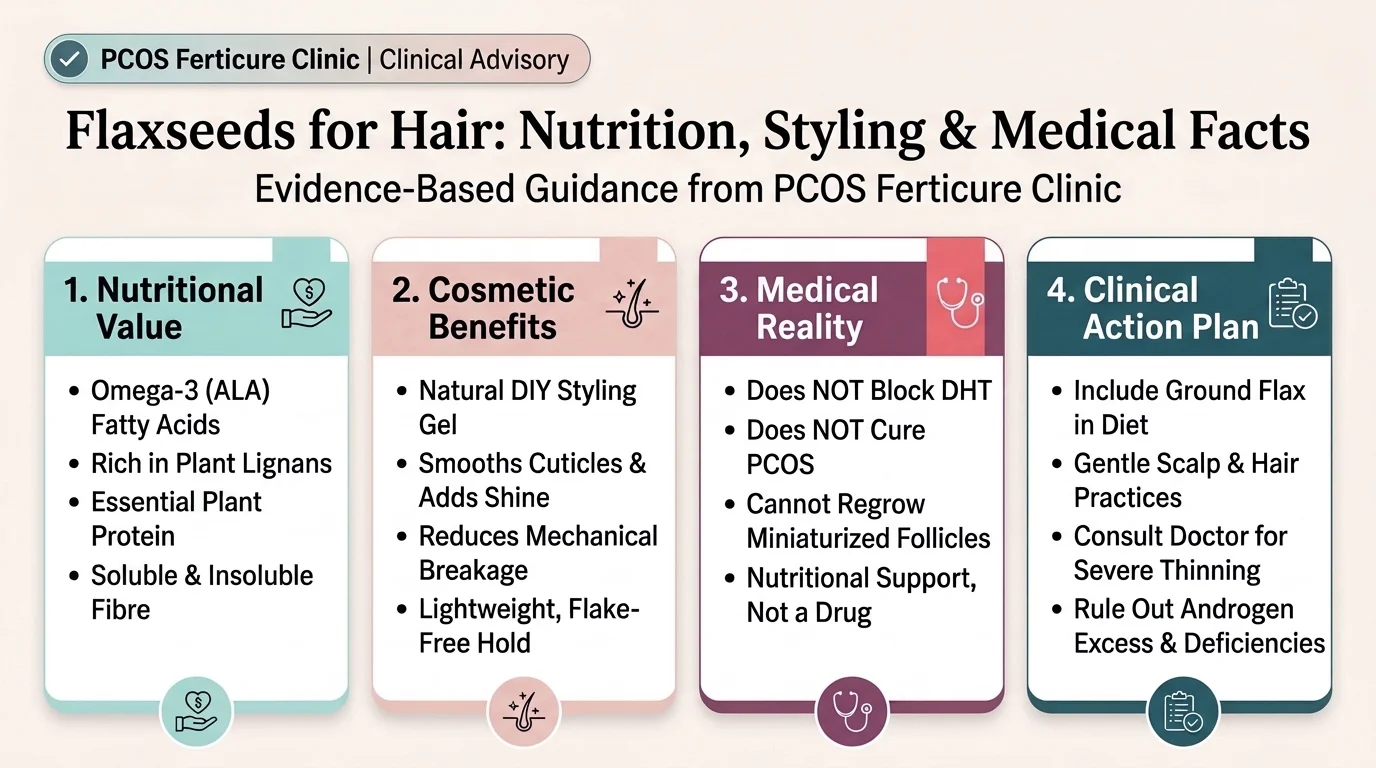
Clinical Infographic: Flaxseed Care vs Medical Reality
Download or review this visual summary comparing the real nutritional and cosmetic benefits of flaxseed against the clinical necessities of medical hair-loss evaluation:
Interactive Health Tools for PCOS & Hair Care
Hair health is deeply interconnected with your overall metabolic and endocrine status. Use our verified, confidential online health tools to evaluate your symptom patterns:
PCOS Assessment Tool
A confidential 3-minute symptom assessment evaluating menstrual regularity, hyperandrogenic signs, and metabolic risk factors.
Menstrual Cycle Tracker
Track cycle duration, ovulatory signs, and menstrual flow to identify irregular patterns associated with hormonal imbalances.
BMI & Calorie Calculator
Calculate your body mass index and estimated daily caloric requirements to avoid restrictive crash dieting that triggers hair shedding.
Indian PCOS Diet Chart
Access our complete 7-day Indian meal plan featuring high-fibre foods, complex carbohydrates, and practical flaxseed integration.
Hormonal Health Symptom Checker
Review common physical indicators of estrogen, progesterone, and androgen fluctuations to prepare for your medical consultation.
PCOS & PCOD Myths vs Facts
Explore our definitive guide debunking 20 widespread medical fallacies regarding fertility, ultrasound cysts, diet, and treatments.
18 Frequently Asked Questions: Flaxseeds & Hair Health
Clear, evidence-based answers to the most common patient inquiries regarding flaxseed use, hair thinning, and PCOS:
1. Are flaxseeds good for hair?
Yes, flaxseeds are beneficial for hair in two specific ways: nutritionally, they provide alpha-linolenic acid (ALA omega-3), dietary fibre, and protein that support overall cellular health; cosmetically, homemade flaxseed gel conditions hair cuticles, provides slip, defines curls, and reduces mechanical friction and breakage. However, they do not act as a medical cure for pattern hair loss.
2. Can flaxseed regrow lost hair?
No. There is currently no robust human clinical evidence demonstrating that flaxseed, flaxseed oil, or topical gel can regrow hair from miniaturized or dormant follicles. While it helps reduce hair breakage mid-shaft, it cannot reverse follicular miniaturization caused by genetic or androgenic factors.
3. Can flaxseed help with PCOS-related hair loss?
Flaxseed can support general metabolic and glycemic health in women with PCOS as part of a high-fibre, anti-inflammatory dietary pattern. However, it cannot stop or reverse androgen-driven female pattern hair loss on its own. Medical management targeting follicular sensitivity and androgen production is required.
4. Does flaxseed reduce DHT?
While laboratory in vitro experiments suggest flaxseed lignans have weak antioxidant and phytoestrogenic properties, flaxseed has not been proven in human clinical trials to function as a 5-alpha reductase inhibitor or to reliably lower scalp dihydrotestosterone (DHT) levels.
5. Is eating flaxseed better than applying it to hair?
Both have different, complementary purposes. Ingesting ground flaxseed provides systemic nutritional benefits (omega-3 fatty acids, dietary fibre, protein), whereas applying homemade flaxseed gel acts externally to moisturize, smooth, and style the hair shaft. Eating flaxseed cannot style hair, and applying gel cannot nourish your body.
6. What is the difference between whole and ground flaxseed?
Whole flaxseeds have a hard outer shell that the human digestive tract cannot break down, meaning they frequently pass through undigested without releasing nutrients. Ground flaxseed (flax meal) breaks this shell, unlocking the omega-3 fatty acids, lignans, and minerals for absorption. Whole seeds are primarily useful for boiling to make DIY styling gel.
7. Does flaxseed oil contain fibre?
No. Flaxseed oil is an extracted lipid fat and contains zero dietary fibre and negligible lignan content. To obtain the digestive, glycemic, and lignan antioxidant benefits of flaxseed, you must consume ground whole flaxseeds rather than the pressed oil.
8. How can I include flaxseed in my daily diet?
Add 1 to 2 tablespoons of freshly ground flaxseeds daily into fresh curd, raita, warm dal, vegetable soups, roti dough, or morning oats. Always drink plenty of water alongside flaxseeds to support healthy digestion.
9. Can I apply flaxseed gel to my hair?
Yes. Homemade flaxseed gel is an excellent natural cosmetic hair styling product. It provides lightweight hold, defines natural waves and curls, and seals moisture without leaving crunchy flakes or chemical residue.
10. Can flaxseed gel be used for daily styling?
Yes. A coin-sized amount can be smoothed over damp hair daily or after washing. Because it contains no artificial polymers, it rinses out effortlessly with plain water and does not cause product buildup on hair shafts.
11. Does flaxseed oil treat female pattern hair loss?
No. Topical flaxseed oil lubricates the outer cuticle of the hair strand, making it feel softer and less brittle. It cannot penetrate deep into the scalp to block androgen receptors or reverse the miniaturization of hair follicles.
12. Can flaxseed cause scalp irritation?
In rare cases, individuals with botanical allergies can develop contact dermatitis, itching, or redness. Additionally, using spoiled homemade gel (stored beyond 7 days) can introduce bacteria to the scalp. Always perform a patch test on your forearm before applying it to your scalp.
13. Does flaxseed help with dandruff?
Flaxseed is not an antifungal treatment. True dandruff (seborrheic dermatitis) is caused by Malassezia yeast overgrowth and requires medicated shampoos containing ketoconazole, zinc pyrithione, or ciclopirox. Applying oils or food masks can worsen dandruff by feeding yeast.
14. Can flaxseed be consumed during pregnancy?
Small dietary amounts used in cooked Indian meals (such as rotis or dal) are generally considered safe. However, concentrated flaxseed supplements, high-dose lignan extracts, and flax oil capsules should be avoided during pregnancy due to theoretical phytoestrogenic effects. Consult your obstetrician.
15. Can flaxseed interact with medicines?
Yes. Because flaxseeds are very rich in soluble fibre, they can slow the absorption of oral medications if taken simultaneously. Take oral medications at least 1 to 2 hours before or after consuming flaxseed. Additionally, consult your doctor if you take blood-thinners or insulin-sensitizing medications like metformin.
16. How can I identify PCOS-related hair thinning?
PCOS-related hair thinning typically manifests as a gradual widening of the central parting line (Christmas tree pattern) and diffuse thinning across the crown, while the frontal hairline is usually preserved. It is frequently accompanied by irregular menstrual periods, adult acne, or coarse facial hair.
17. Can flaxseed replace minoxidil or medical treatment?
No. Flaxseed cannot replace topical minoxidil, anti-androgen therapy, or gynaecological hormonal management. Delaying medical therapy in favor of home remedies allows follicular miniaturization to progress, making subsequent medical treatment less effective.
18. When should I consult a doctor for hair loss?
Consult a doctor if your central part is widening, shedding persists for more than 3 months, you notice round smooth bald spots, you experience scalp pain, redness, or burning, or your hair loss is accompanied by irregular menstrual cycles, excess facial hair, or cystic acne.
Dr. Shabnam Sharjil
MBBS | 3 Years DNB Training in Obstetrics & Gynaecology
Specialist in PCOS, hormonal disorders, adolescent endocrinology, and fertility management with nearly two decades of clinical experience. Providing individualized, evidence-based care at PCOS Ferticure Clinic in Mehrauli, South Delhi, and through secure online consultations across India.