PCOS and Ovulation Changes
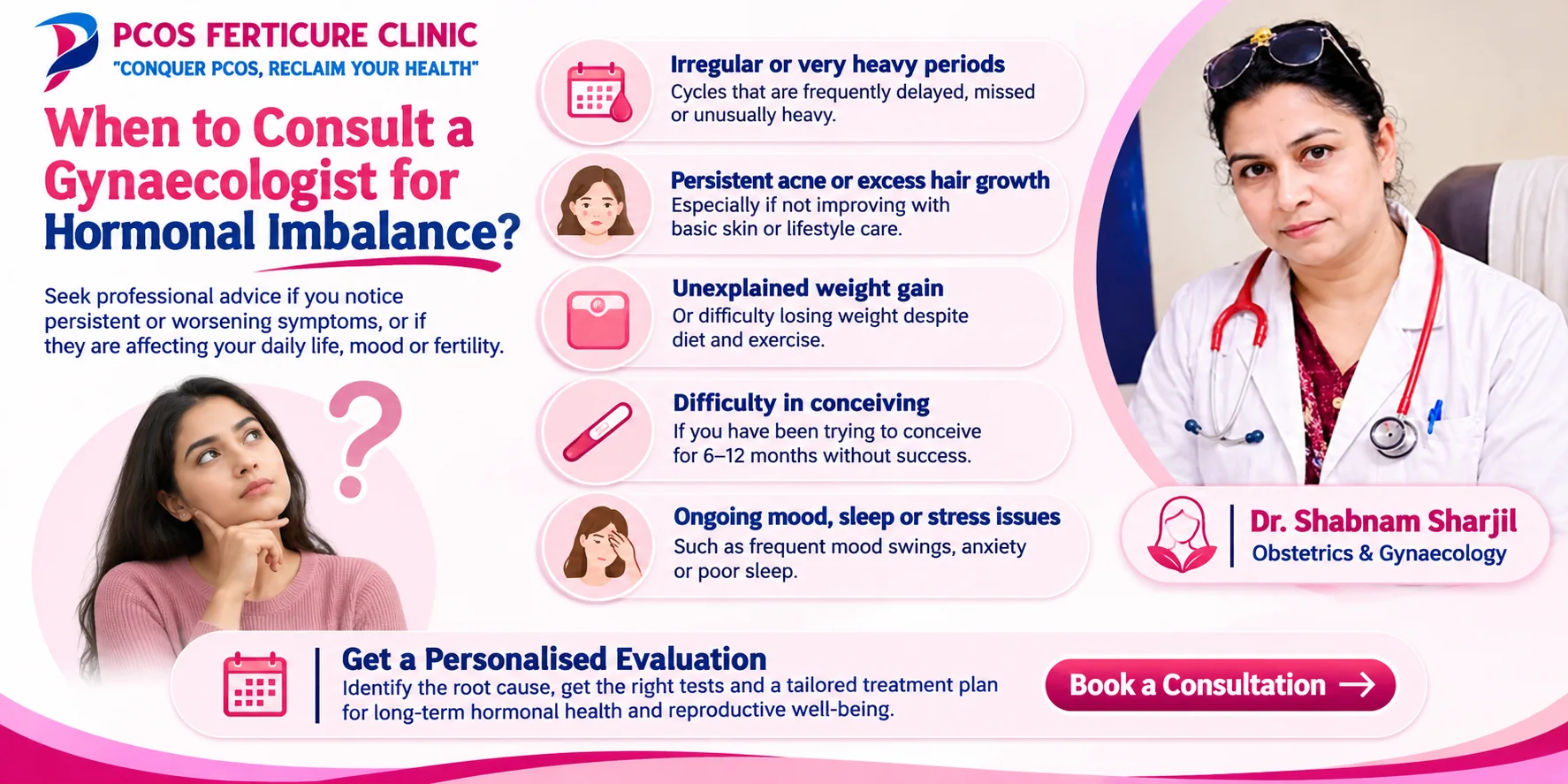
Polycystic ovary syndrome may involve irregular ovulation and increased androgen activity. This can contribute to irregular periods, acne, excess facial hair and fertility concerns.
Learn more about PCOS symptoms .
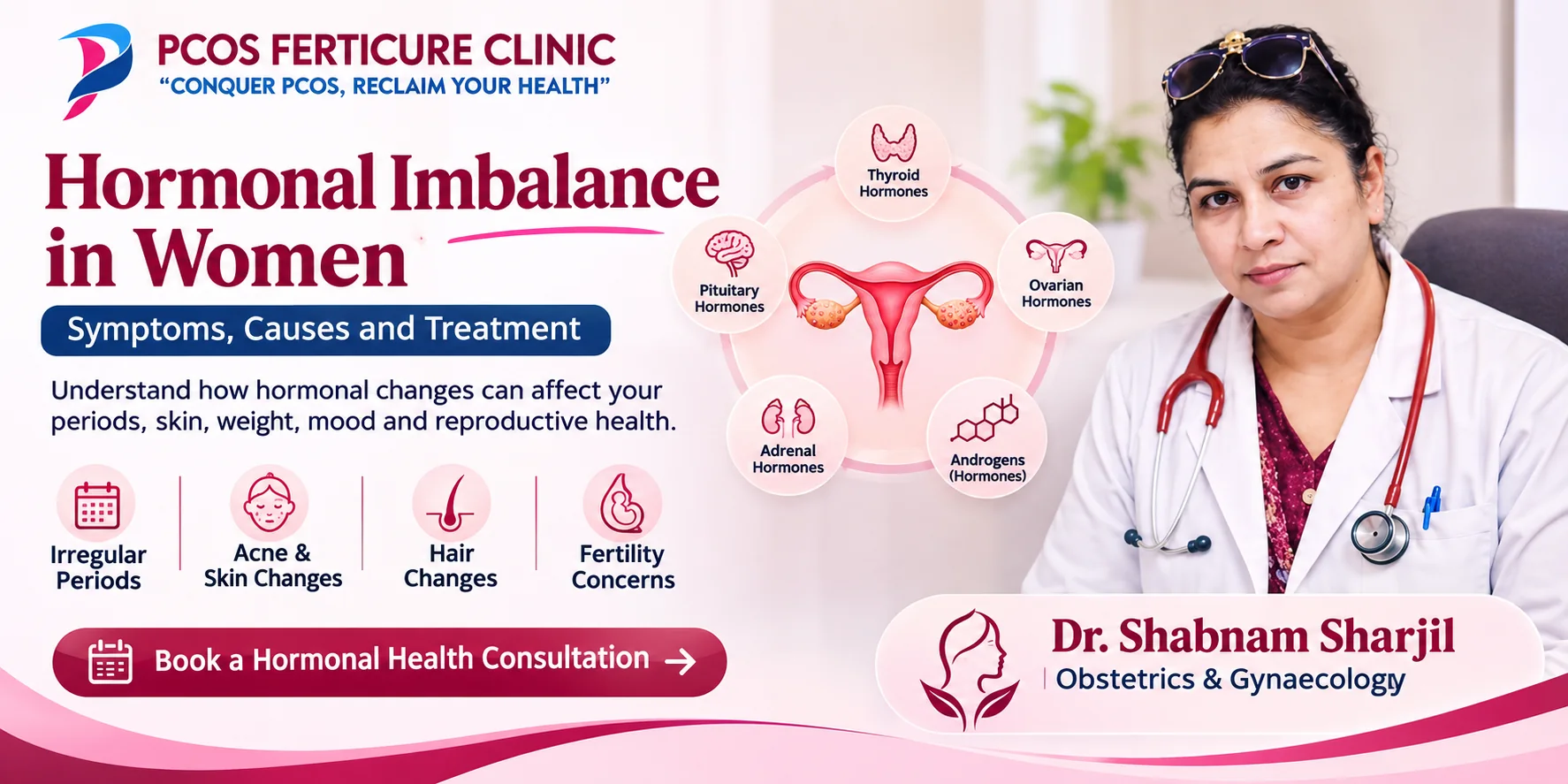
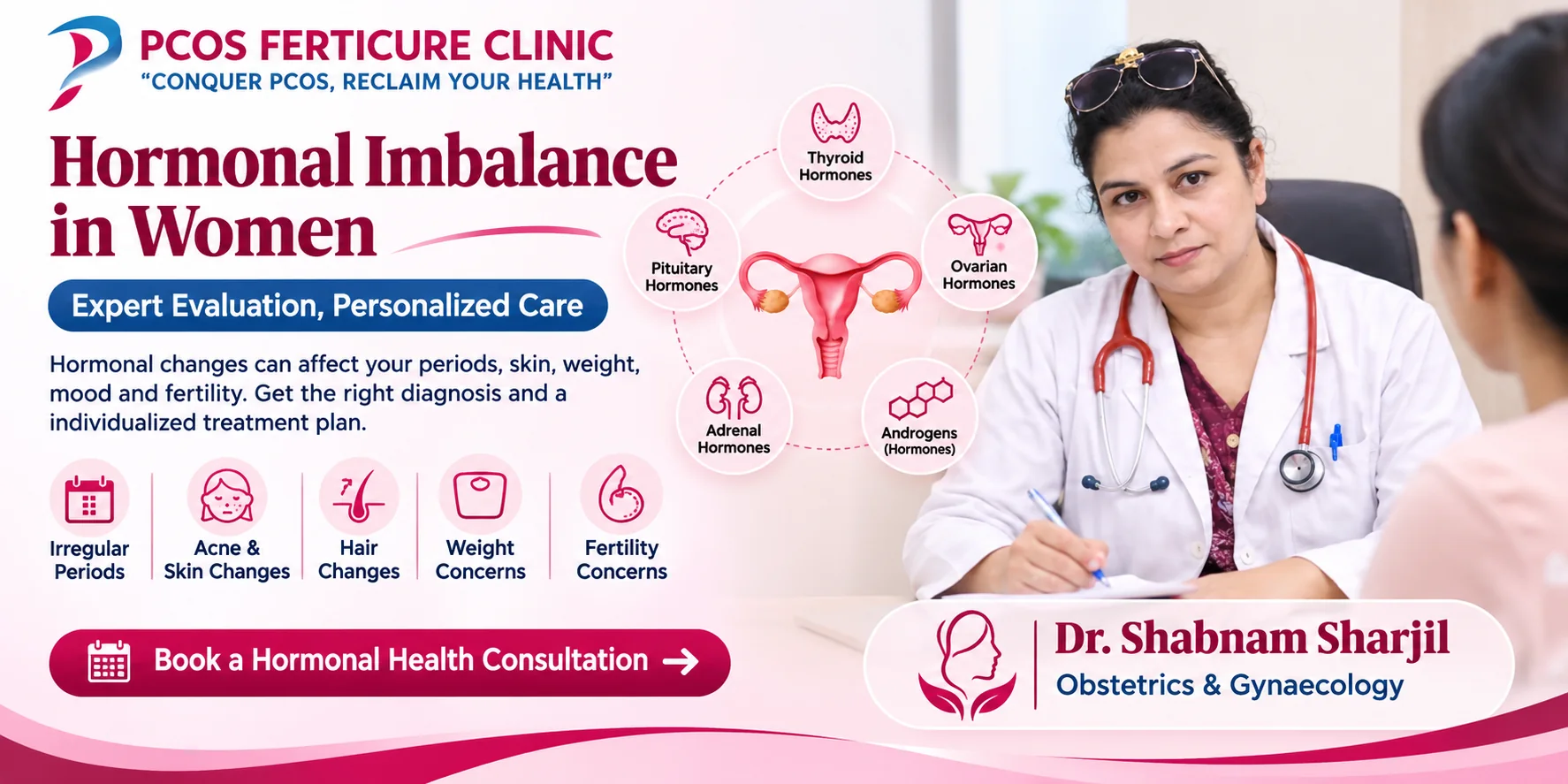
Understand how hormonal changes may affect menstrual cycles, skin, hair, energy and fertility. Explore possible causes, appropriate investigations and personalised care options.
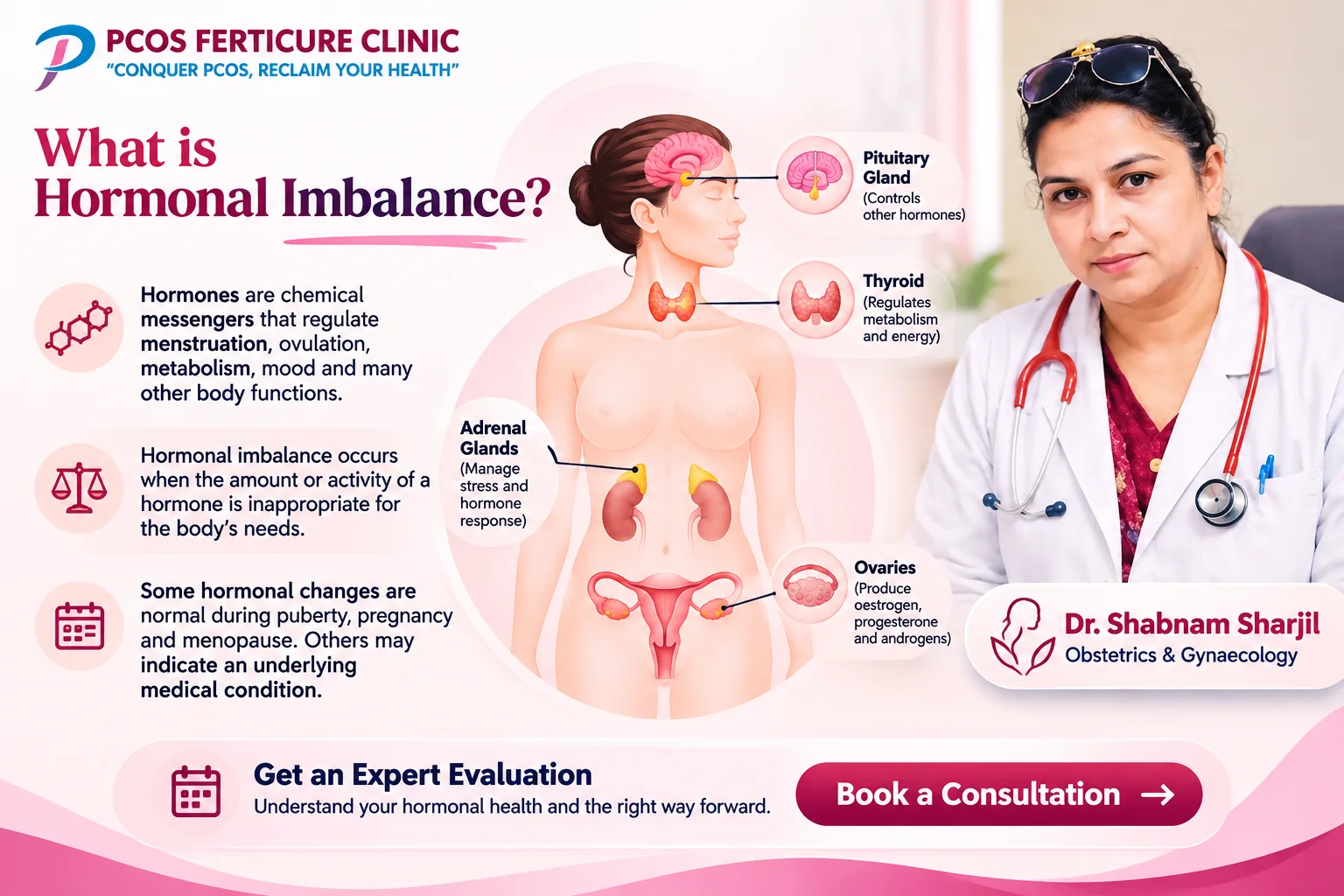
Hormones are chemical messengers that help regulate important functions throughout the body, including menstruation, ovulation, metabolism, sleep, mood and reproduction. Hormonal imbalance is a broad term describing changes in hormone levels or activity that may affect these functions.
Hormones naturally fluctuate during puberty, the menstrual cycle, pregnancy, after childbirth and menopause. These normal changes do not necessarily indicate a medical problem. However, persistent or unexpected symptoms may warrant further evaluation.
The ovaries, thyroid gland, pituitary gland and adrenal glands all contribute to hormonal regulation. Conditions affecting these systems may produce overlapping symptoms, which is why an individual assessment is important.
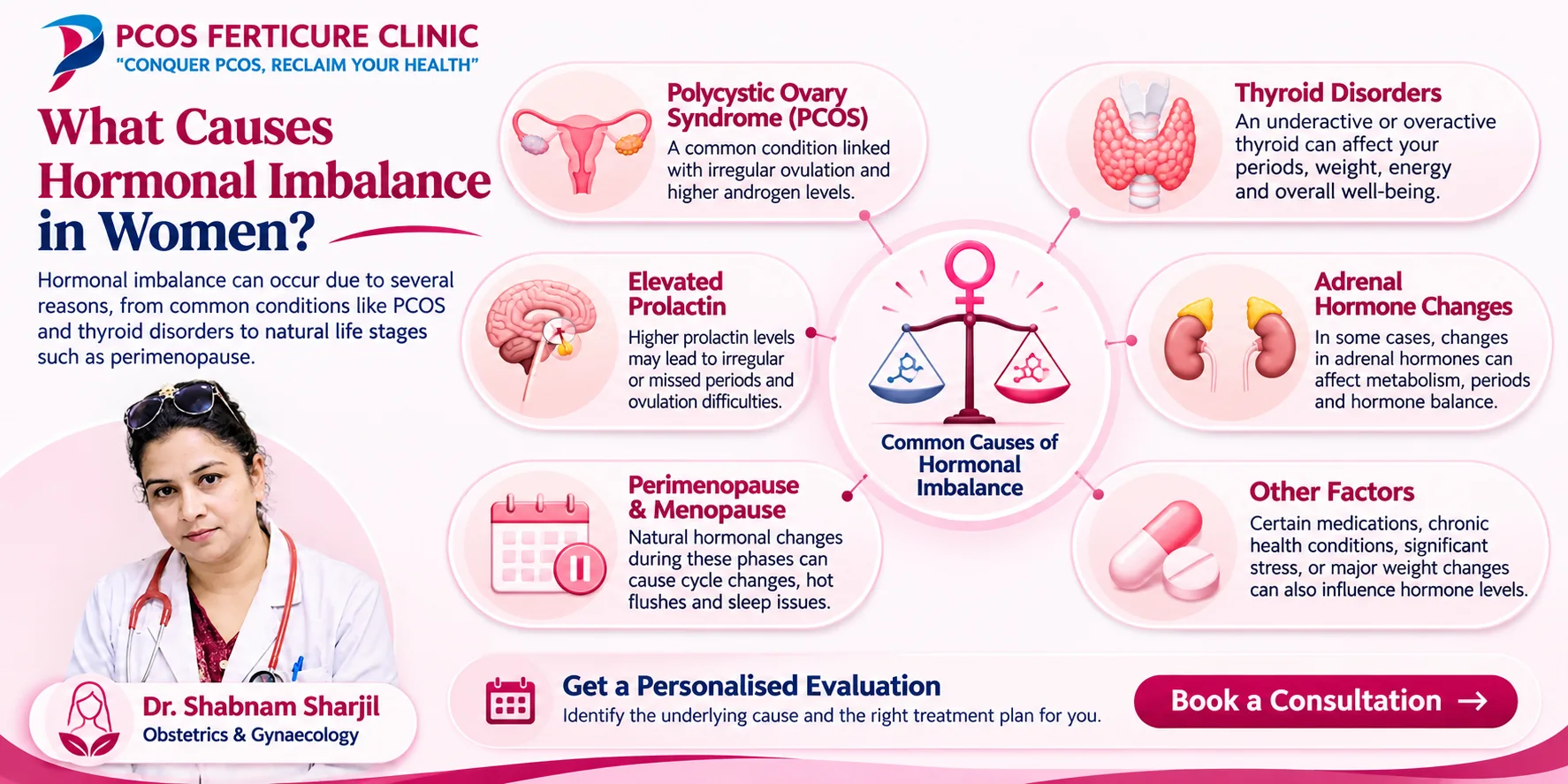
Hormone-related symptoms may arise from medical conditions, normal life-stage changes or other factors affecting the body's regulatory systems.
Polycystic ovary syndrome may involve irregular ovulation and increased androgen activity. This can contribute to irregular periods, acne, excess facial hair and fertility concerns.
Learn more about PCOS symptoms .
An underactive or overactive thyroid can affect menstrual cycles, energy levels, weight, temperature tolerance and overall wellbeing.
Increased prolactin levels may contribute to irregular or absent periods and, in some cases, unexpected breast discharge. Several medicines and medical conditions can affect prolactin.
Hormonal fluctuations during puberty, after pregnancy and during perimenopause may affect menstrual patterns, sleep and other symptoms.
Significant stress, inadequate nutrition, substantial weight changes or excessive exercise may disrupt ovulation and menstrual regularity. Persistent symptoms should not automatically be attributed to lifestyle alone.
Certain medications and underlying health conditions may affect menstrual patterns, skin, weight or energy. A clinical review helps determine whether further testing is appropriate.
Symptoms vary depending on the underlying cause. Having one or more of these symptoms does not necessarily mean you have a hormonal disorder.
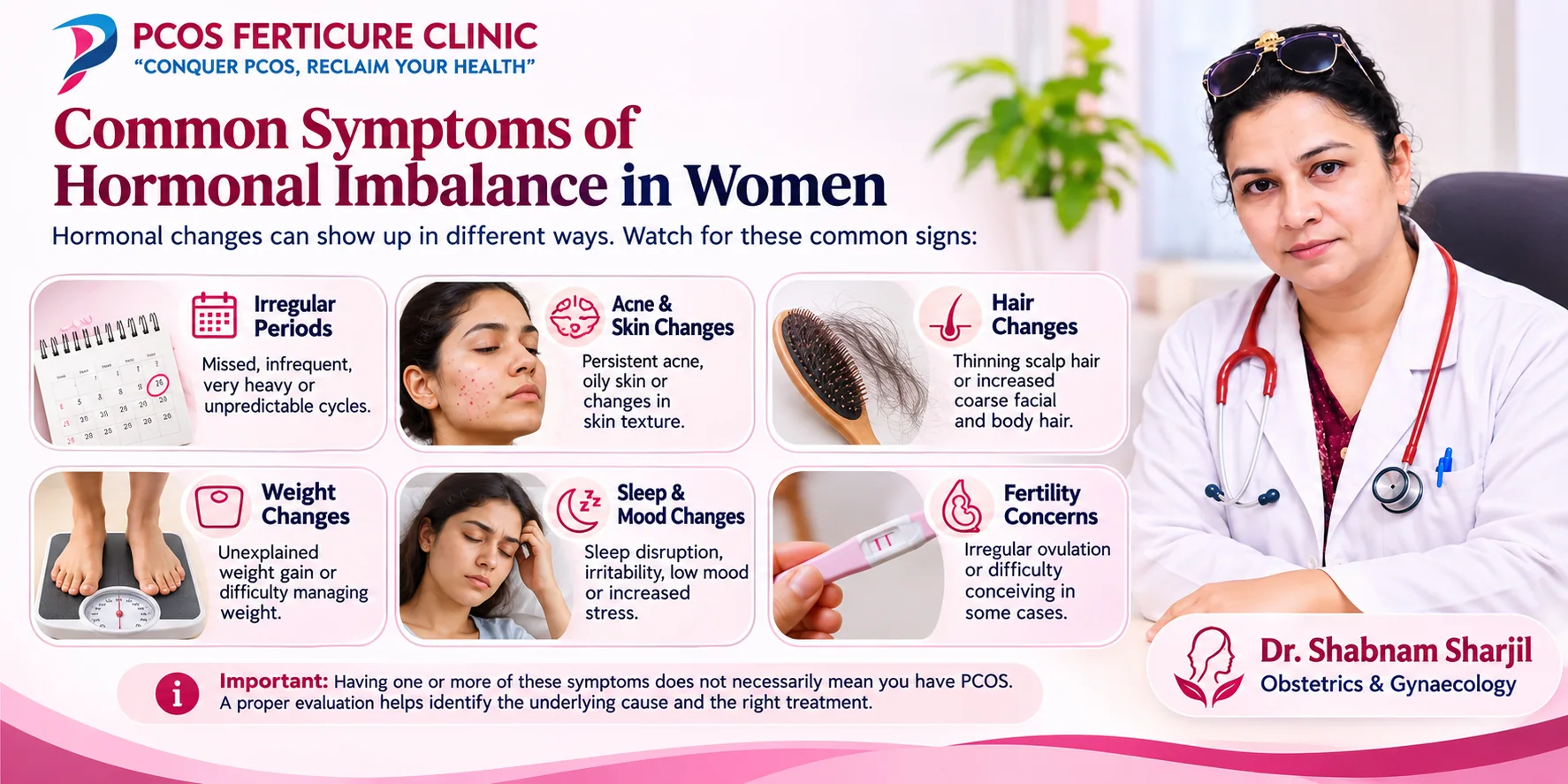
Menstrual cycles may become unpredictable, unusually far apart or absent. Possible causes include ovulation changes, pregnancy, PCOS, thyroid conditions and other medical factors.
Persistent acne or increased skin oiliness can sometimes be associated with androgen activity, although skin changes may also have non-hormonal causes.
Increased coarse facial hair and certain patterns of scalp hair thinning may occur with androgen-related conditions.
Explore our PCOS hair loss guide .
Unexplained weight changes or fatigue may have several possible explanations, including thyroid disorders, sleep difficulties, medication effects and other health conditions.
Sleep disturbances and mood changes are common and nonspecific. Their duration, severity and relationship with other symptoms may help guide evaluation.
Conditions that disrupt ovulation can affect menstrual regularity and the likelihood of conception. The impact depends on the cause.
Read about PCOS-related fertility concerns .
Select the symptoms you would like to discuss during your consultation. Your selections remain in your browser and are not submitted to the clinic.
No. Hormonal imbalance is a broad description, whereas polycystic ovary syndrome is a specific condition assessed using established clinical criteria. PCOS can involve hormonal changes, but not every hormonal symptom indicates PCOS.
PCOS may involve increased androgen activity and irregular ovulation. These changes can contribute to irregular menstrual cycles, acne, unwanted facial hair and certain patterns of scalp hair thinning.
Some women with PCOS also have insulin resistance or metabolic concerns. However, symptoms and their severity vary, and not everyone with PCOS experiences the same hormonal or metabolic changes.
Why this matters: Understanding the individual pattern helps guide appropriate assessment and management rather than assuming every hormonal symptom is caused by PCOS.
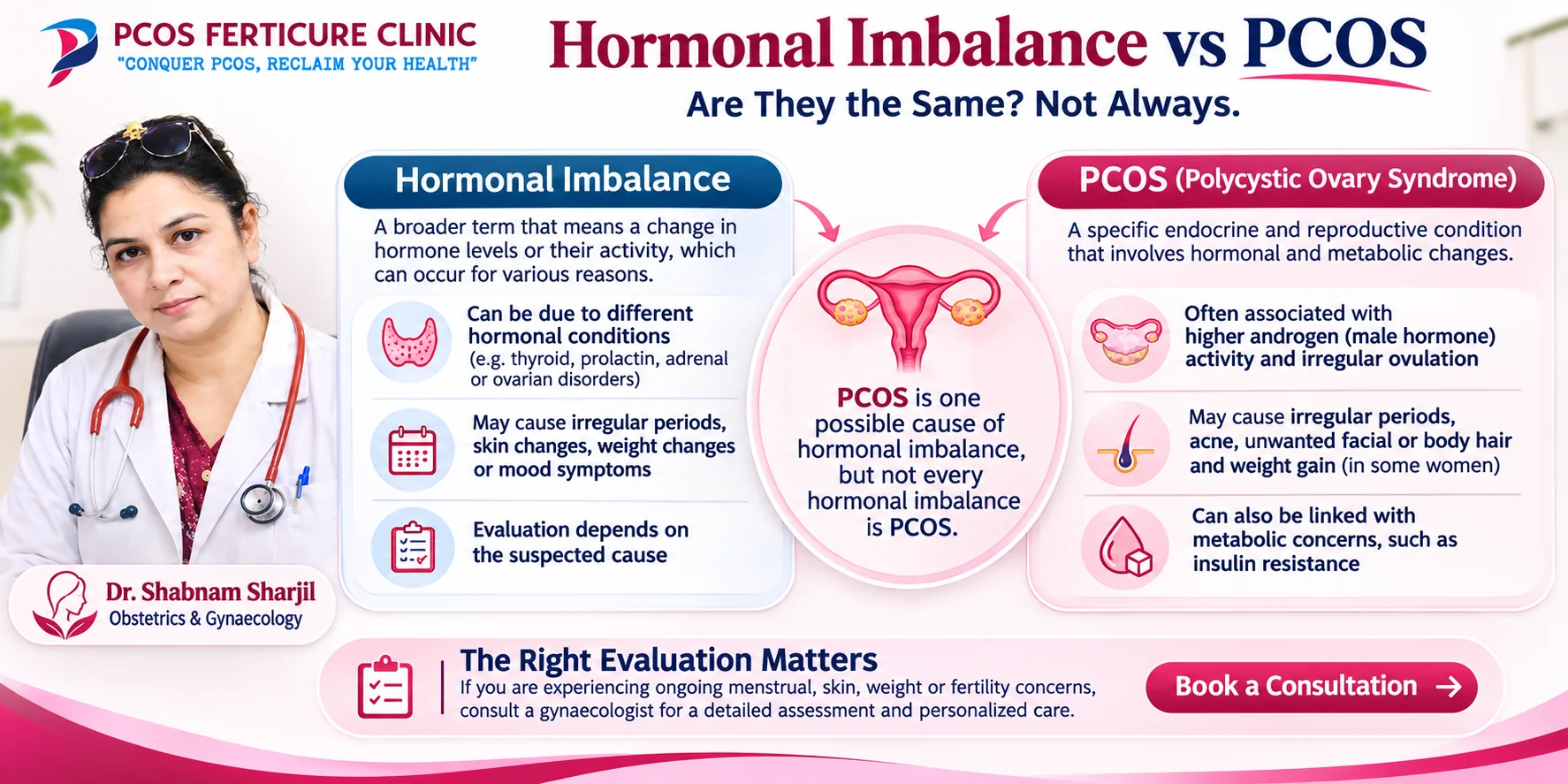
Hormonal imbalance is a general description that may refer to changes involving thyroid hormones, prolactin, reproductive hormones or other endocrine systems.
PCOS is a defined clinical syndrome. In adults, diagnosis generally considers evidence of ovulatory dysfunction, hyperandrogenism and polycystic ovarian morphology or relevant AMH findings, while excluding other possible causes. Not every criterion is required in every case.
Why this matters: A person may experience hormonal symptoms without having PCOS. Correctly identifying the underlying condition helps avoid inappropriate investigations or treatment.
Learn more about PCOS assessment and diagnosis .
Evaluation and treatment should reflect your symptoms, medical history, examination findings and personal health goals. There is no single hormone test or treatment suitable for everyone.
The first step in evaluating hormonal imbalance is understanding the pattern of symptoms and how they have changed over time. Your doctor may review menstrual cycle regularity, missed or heavy periods, acne, unwanted facial hair, hair thinning, unexplained weight changes, fatigue, sleep disturbances and fertility concerns.
A detailed medical history also considers existing conditions, medications, pregnancy possibility, lifestyle and family history. These details help distinguish hormonal conditions such as PCOS, thyroid disorders and elevated prolactin from other possible causes.
Why this matters: Identifying the pattern helps your doctor determine which investigations are appropriate, avoiding unnecessary tests and focusing on the underlying cause.
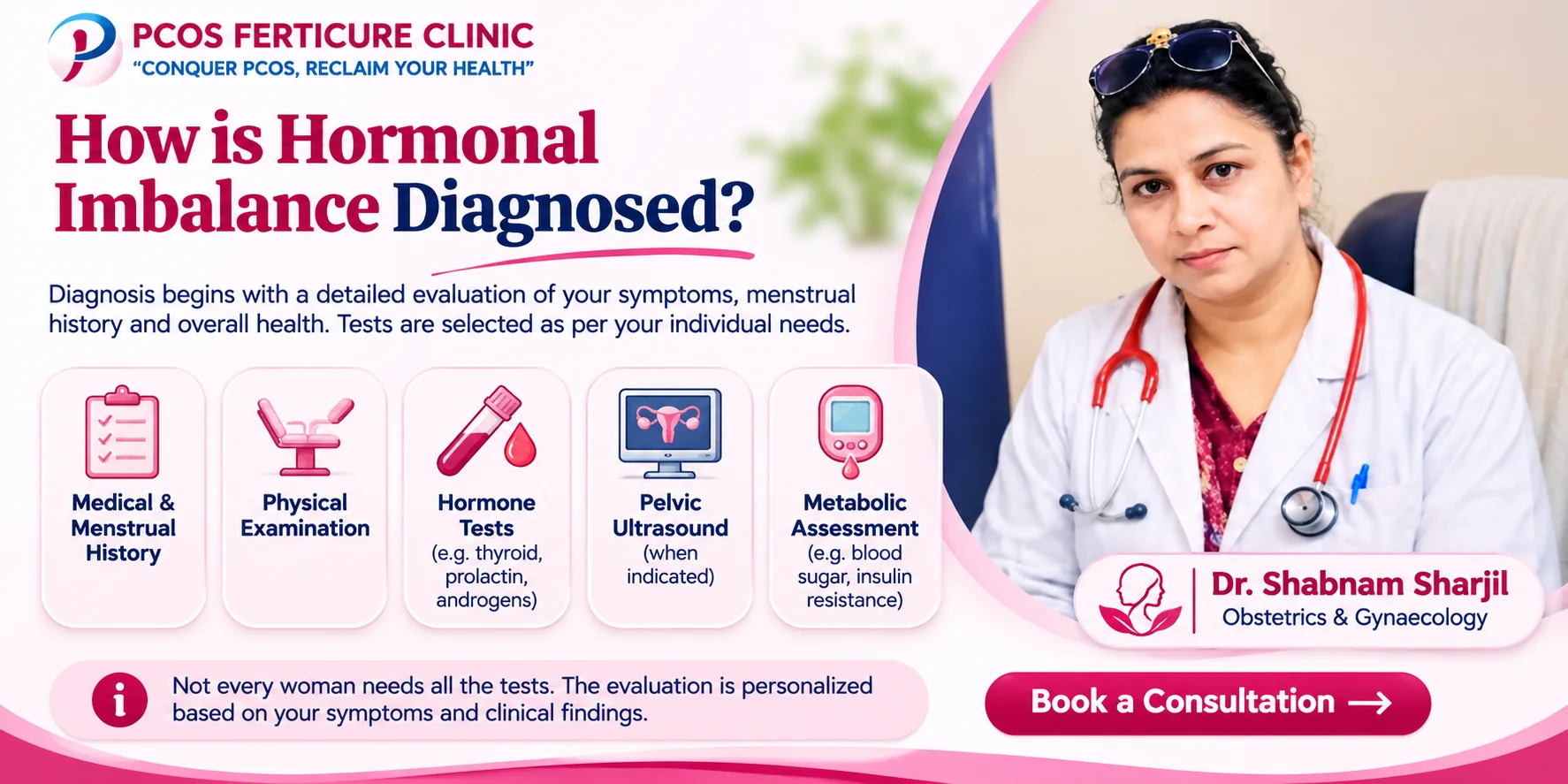
Hormonal imbalance cannot reliably be diagnosed from symptoms alone. Depending on your medical history and clinical findings, your doctor may recommend a physical examination and selected investigations to understand the possible causes.
These may include thyroid function tests, prolactin levels, androgen measurements, blood glucose or HbA1c testing, and pelvic ultrasound when clinically indicated. The choice and timing of investigations depend on your symptoms, menstrual history and individual circumstances.
Why this matters: A personalised evaluation helps identify conditions requiring treatment while avoiding a generic hormone-testing approach that may not be necessary for every woman.
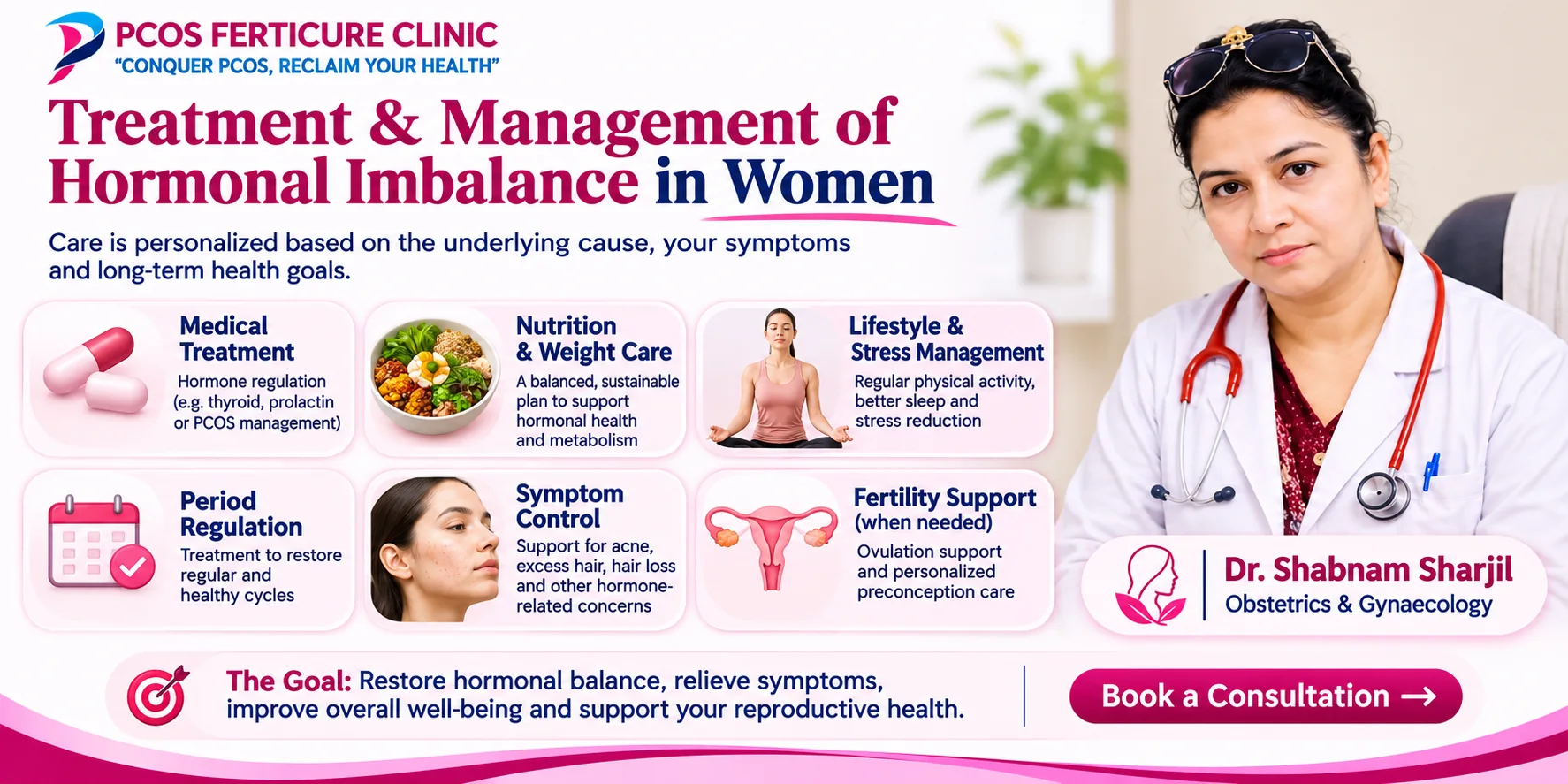
Treatment for hormonal imbalance depends on the underlying condition, the symptoms experienced and your personal health goals. Management may involve condition-specific medication, menstrual cycle regulation, treatment of acne or excess hair growth, and fertility or ovulation support when appropriate.
Lifestyle measures such as balanced nutrition, regular physical activity, adequate sleep and stress management can complement medical care. However, lifestyle changes alone may not address conditions such as thyroid disease or elevated prolactin.
Why this matters: An individualised management plan focuses on improving symptoms, addressing the underlying cause and supporting long-term reproductive and overall health. Follow-up helps assess progress and adjust treatment when necessary.
Treatment depends on the identified cause, severity of symptoms, relevant medical history and whether pregnancy is a current goal. A confirmed thyroid disorder, for example, requires a different approach from PCOS-related menstrual irregularity.
For a face-to-face assessment, explore PCOS consultation in Delhi , or learn about online consultation options across India .
Healthy routines can support overall wellbeing and may complement medical treatment, but they do not replace evaluation of persistent symptoms.
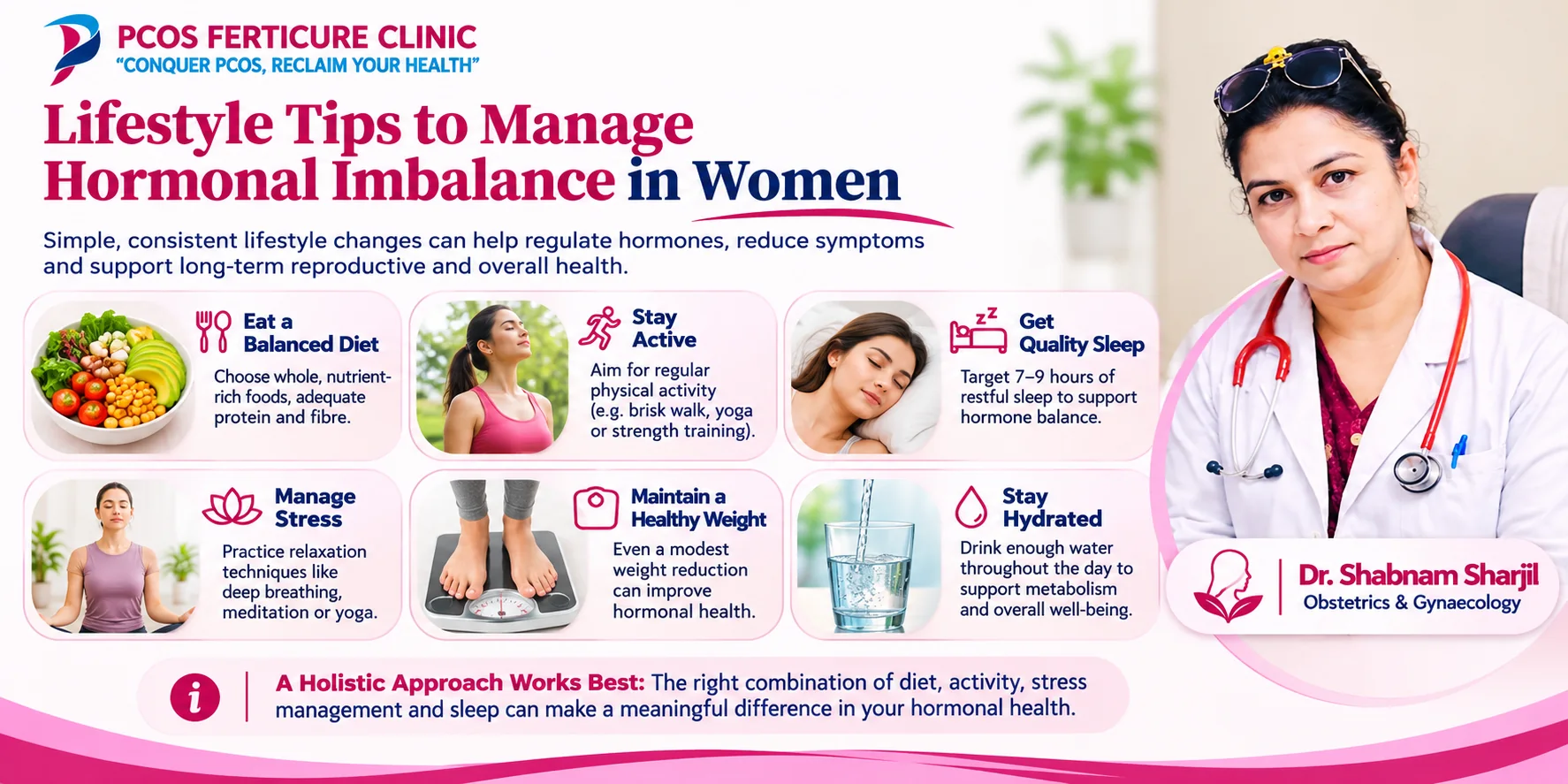
Regular meals and a varied eating pattern can support general health. Dietary advice should reflect individual needs rather than promising to correct every hormonal condition.
Consistent movement supports cardiovascular, metabolic and overall health. Choose activities appropriate for your fitness and medical circumstances.
Adequate sleep and sustainable stress-management habits support wellbeing. Ongoing sleep difficulties or menstrual changes should be assessed when appropriate.
Record period dates, bleeding patterns and relevant symptoms. These observations may help your clinician identify changes and plan appropriate investigations.
For nutrition considerations specific to PCOS, visit our PCOS nutrition resource .
Answers to common questions about hormonal symptoms, diagnosis, treatment and consultation options.
Possible signs include irregular periods, acne, excess facial hair, scalp hair thinning and unexplained changes in energy or weight. These symptoms can also have non-hormonal causes, so their pattern and duration are important.
No. Pregnancy, thyroid disorders, elevated prolactin, life-stage changes and other conditions can affect menstrual regularity. PCOS is one possible explanation, but diagnosis requires an appropriate clinical assessment.
Tests depend on your symptoms and medical history. A clinician may consider thyroid function, prolactin, androgen measurements, metabolic tests or pelvic ultrasound when indicated. Not everyone requires a comprehensive hormone panel.
Some hormone-related conditions can disrupt ovulation and make conception less predictable. The impact depends on the underlying cause, and appropriate evaluation can help identify suitable management options.
Certain endocrine conditions may contribute to weight changes, but weight gain has many possible causes. A clinical assessment considers symptoms, medicines, nutrition, activity and relevant medical conditions.
Balanced nutrition and physical activity support general health and may help manage some conditions, including aspects of PCOS. They do not replace treatment for diagnosed thyroid, prolactin or other endocrine disorders.
Treatment is based on the underlying diagnosis, symptom priorities and individual circumstances. It may involve lifestyle support, medication, menstrual management or fertility-related care when appropriate.
Significant stress can sometimes disrupt ovulation and menstrual timing. However, pregnancy, thyroid conditions, PCOS and other explanations should also be considered when menstrual changes persist.
Seek assessment for persistent irregular or missed periods, significant new hair or skin changes, or fertility concerns. Very heavy bleeding, fainting or severe pelvic pain requires prompt medical attention.
PCOS Ferticure Clinic offers consultation options for patients seeking advice about hormonal and reproductive health. You can enquire about online appointments or arrange an in-clinic consultation in Mehrauli, New Delhi.
Get personalised guidance about your symptoms, possible investigations and appropriate next steps with Dr. Shabnam Sharjil.