
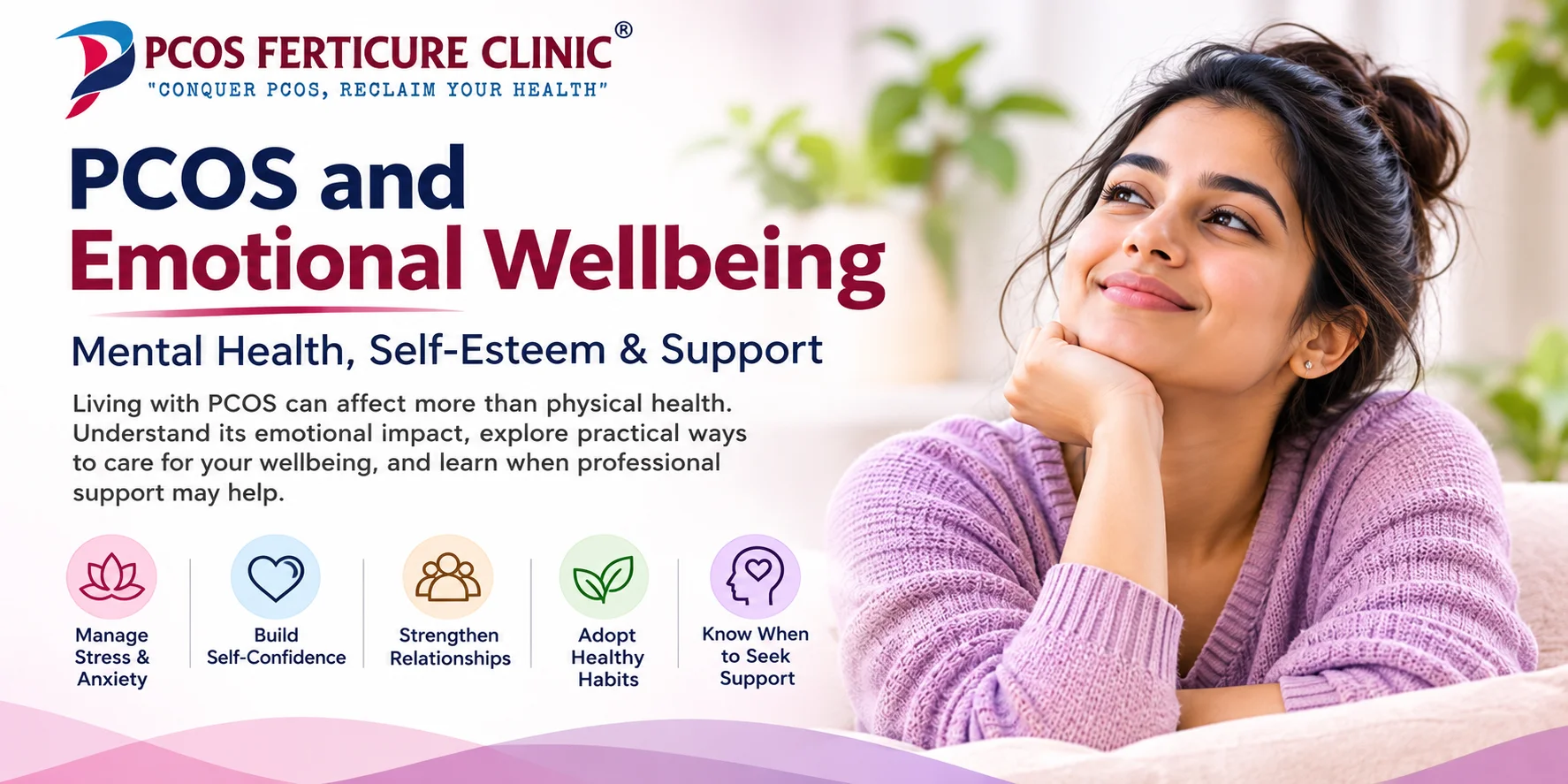
PCOS and Emotional Wellbeing: Mental Health, Self-Esteem and Support
Polycystic Ovary Syndrome (PCOS) is not just a reproductive or metabolic condition—it deeply shapes how you feel about your body, your identity, your relationships, and your future. Emotional distress in PCOS is neither your fault nor an overreaction. Explore evidence-based insights into anxiety, depression, body image, fertility grief, and relationship dynamics, along with practical psychological tools and verified professional support pathways.
1. The Hidden Emotional Burden of PCOS
When most people talk about Polycystic Ovary Syndrome, discussions center on ultrasound scans, ovulation tests, facial hair, or fasting glucose. What remains frequently unspoken—yet powerfully felt—is the profound psychological weight carried by those living with this condition day after day.
PCOS is a lifelong, complex condition with visible and invisible symptoms. Managing it involves constant cognitive effort: analyzing every meal, monitoring irregular menstrual cycles, worrying about future fertility, managing visible body changes, and coping with fatigue. This chronic mental load can lead to what psychologists term illness-related fatigue and psychological burnout.
Recognizing emotional distress as an authentic, biologically intertwined dimension of PCOS removes the shame that so many patients silently endure. You are not "overreacting" or "failing to be positive"—your body and mind are responding to real chronic physiological stressors.
2. Guideline Recommendations: Routine Mental Health Screening
For years, emotional distress in PCOS was treated as an incidental side effect. That model has officially changed. The 2023 International Evidence-Based Guideline for the Assessment and Management of Polycystic Ovary Syndrome established landmark recommendations for clinical practice:
Universal Screening at Diagnosis
All healthcare providers are advised to screen every newly diagnosed patient for anxiety and depressive symptoms using validated clinical instruments.
Validated Tools: PHQ-9 & GAD-7
Standardized questionnaires like the Patient Health Questionnaire-9 (depression) and Generalized Anxiety Disorder-7 (anxiety) help objectively track symptom severity.
Collaborative Care Referral
When positive screening indicates moderate to severe distress, timely referral to licensed psychologists or psychiatrists should occur without stigma.
3. Anxiety, Depression & Brain Chemistry in PCOS
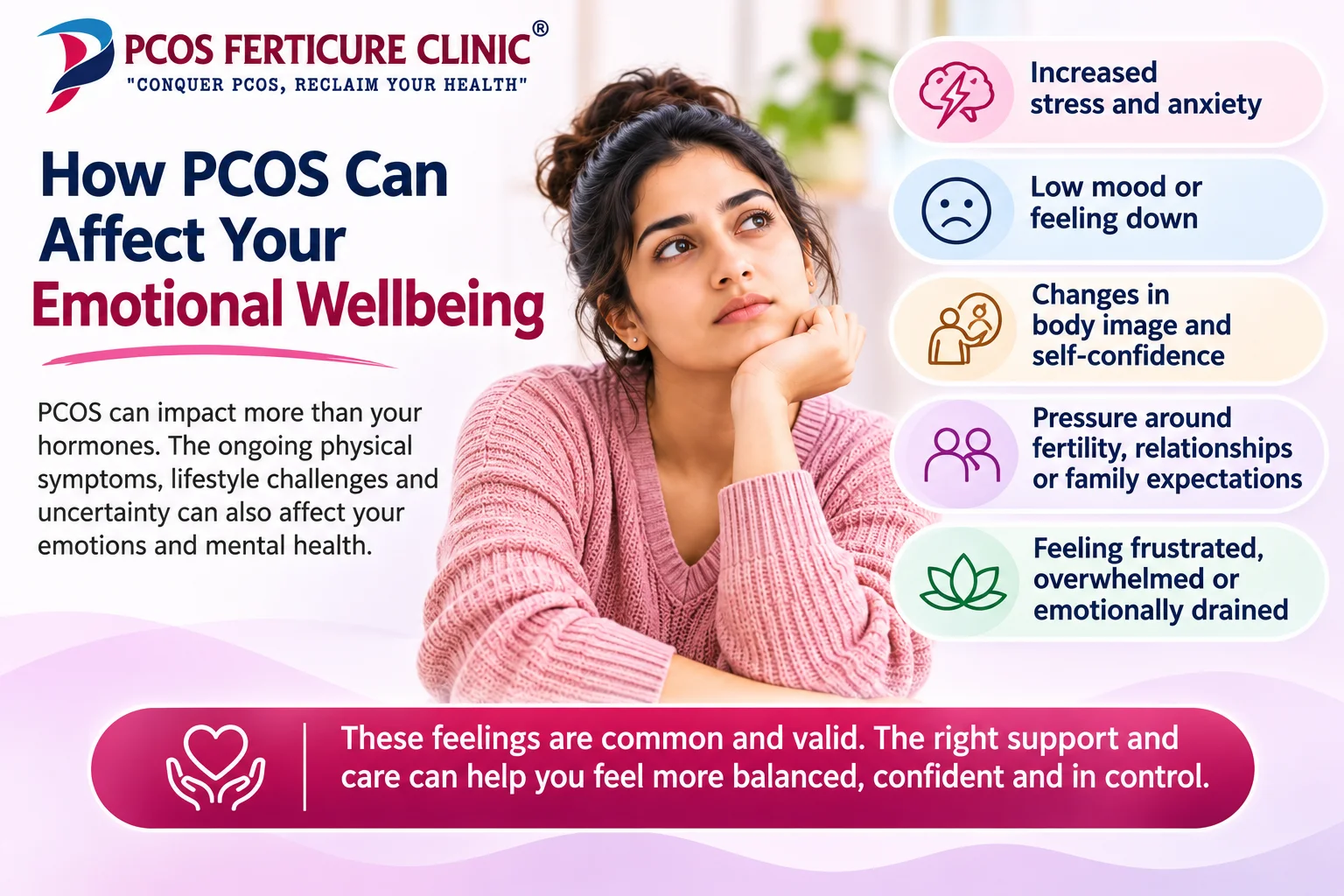
Extensive epidemiological studies demonstrate that women with PCOS face a three- to four-fold higher prevalence of moderate-to-severe depressive and anxiety symptoms compared to age-matched peers without PCOS.
This heightened vulnerability is driven by complex neurochemical and physiological pathways:
- Neurotransmitter Dysregulation: Insulin resistance and hyperinsulinemia impair central glucose uptake in the brain, reducing the efficiency of serotonin synthesis and receptor binding. Serotonin governs mood stability, sleep continuity, and emotional resilience.
- Chronic Low-Grade Neuroinflammation: Elevated inflammatory biomarkers (such as TNF-alpha and IL-6) stimulate the indolamine-2,3-dioxygenase (IDO) enzyme, degrading tryptophan into neurotoxic quinolinic acid instead of mood-supporting serotonin and melatonin.
- Allopregnanolone Deficiency: Anovulatory cycles deprive the central nervous system of luteal-phase progesterone metabolites, specifically allopregnanolone, which normally acts as an endogenous anxiolytic (calming agent) on GABA receptors.
- Adrenal Stress Reactivity: The hypothalamic-pituitary-adrenal (HPA) axis is frequently hyper-responsive in PCOS, maintaining elevated baseline levels of cortisol and adrenaline.
4. Body Image, Self-Esteem & Feminine Identity
Few medical conditions alter physical appearance across multiple domains simultaneously quite like PCOS. Hirsutism (excess facial and body hair), androgenetic alopecia (scalp hair thinning), cystic facial and jawline acne, and central abdominal weight gain can profoundly disrupt body image.
In many societies—particularly across India and South Asia—unrealistic societal beauty ideals heavily equate female identity with hairless skin, thick scalp hair, and slender bodies. When PCOS challenges these external markers, patients often experience:
Appearance Anxiety & Hypervigilance
Constantly checking mirrors, touching the chin or jawline for new coarse hairs, dreading bright daylight, or feeling anxious in social settings without heavy makeup.
Grief Over Hair Loss
Scalp hair thinning can feel deeply distressing, with many patients describing a loss of personal identity and confidence during daily washing and styling.
Weight Stigma & Self-Blame
Internalizing unsolicited advice and societal assumptions that weight challenges stem from laziness or poor self-control, despite rigorous lifestyle efforts.
Toward Body Neutrality
Transitioning from forced "body positivity" to body neutrality: appreciating what your body does for you daily rather than evaluating your worth solely through appearance.
5. Fertility Stress & Societal Pressures
For individuals desiring conception, anovulation and delayed pregnancy introduce profound psychological strain. In Indian cultural contexts, marital and family expectations regarding rapid conception after marriage can intensify feelings of inadequacy and isolation.
Key emotional aspects of fertility challenges in PCOS include:
- The Monthly Cycle Rollercoaster: Navigating the recurring cycle of hope during ovulation tracking, followed by the silent grief of negative pregnancy tests or unexpected menstrual delays.
- Unsolicited Advice & Social Invalidation: Well-meaning friends and relatives offering simplistic tips ("just relax and it will happen"), which invalidates genuine medical struggles and induces guilt.
- Isolation from Peer Groups: Experiencing avoidance of baby showers, family gatherings, or social media announcements to protect emotional boundaries.
It is vital to know: PCOS is one of the most treatable causes of ovulatory subfertility. With structured medical care, lifestyle optimization, and ovulatory induction, the vast majority of women with PCOS achieve healthy pregnancies. Protecting your mental health throughout this journey is just as important as monitoring follicles.
6. Relationships, Intimacy & Communication
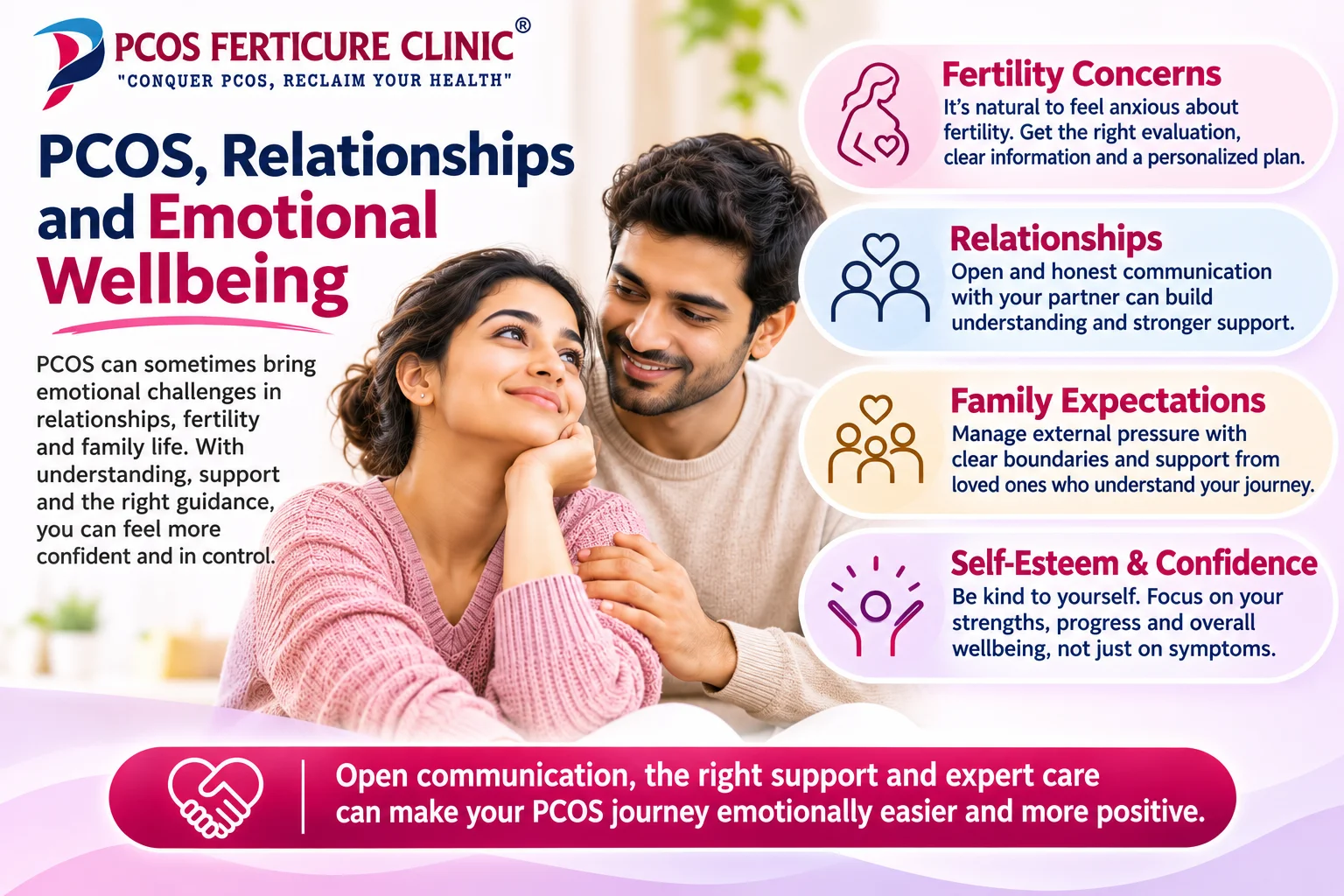
PCOS does not exist in a vacuum; it influences partnerships, marital intimacy, and family dynamics. Chronic fatigue, libido changes, body consciousness during intimacy, and mood fluctuations can create misunderstandings if communication remains closed.
Constructive Strategies for Partners & Families
- Education Over Assumption: Invite your partner to attend clinical consultations. Learning directly from a medical professional that mood shifts and fatigue are biologically driven helps eliminate blame.
- Separate the Syndrome from Identity: Recognize that irritability or fatigue is a manifestation of metabolic exhaustion, not an intentional withdrawal of love or affection.
- Redefine Intimacy: Communicate openly about how physical symptoms or self-consciousness affect desire. Intimacy encompasses emotional connection, physical comfort, and mutual affection beyond sexual performance.
- Set Firm Family Boundaries: Work as a united team with your partner to deflect intrusive family inquiries about weight, marriage milestones, or conception timelines.
7. Evidence-Based Emotional Self-Care Strategies
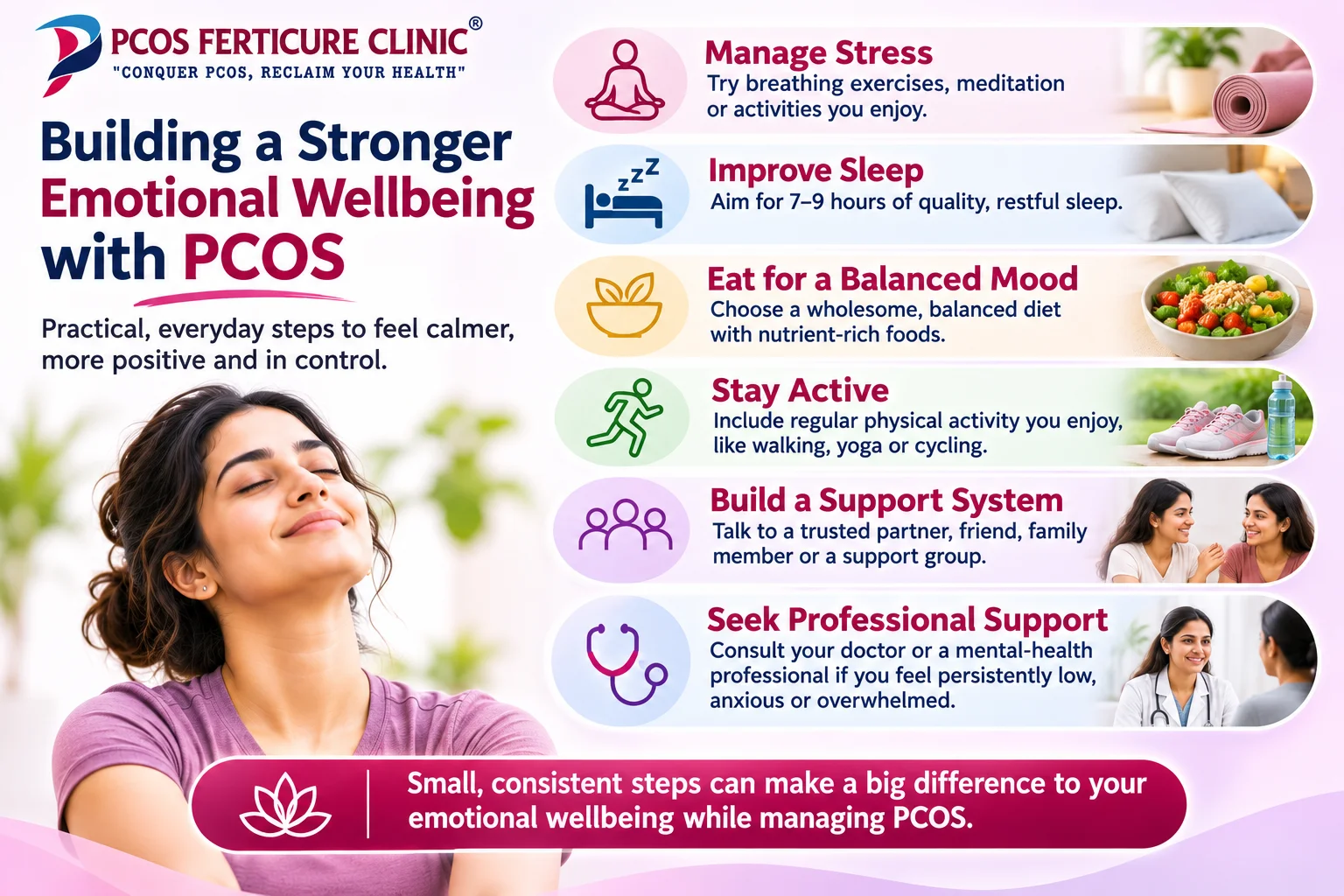
Psychological resilience is not an inherent trait—it is a set of skills that can be cultivated through deliberate, compassionate daily practices:
Cognitive Reframing (CBT)
Notice "all-or-nothing" automatic thoughts (e.g., "my body is completely broken"). Gently reframe them into balanced statements: "My endocrine system is sensitive, and I am actively learning how to support it."
Mindful Self-Compassion
Speak to yourself during difficult moments with the same kindness and non-judgmental warmth you would extend to a beloved friend facing a chronic medical diagnosis.
Selective Information Consumption
Mute social media accounts promoting fear-mongering "PCOS cures," rigid food restriction, or toxic comparison. Seek evidence-based medical and psychological sources.
Pacing & Rest as Medicine
Release the pressure to maintain 100% productivity during flare-ups of fatigue or cycle unpredictability. True self-care includes guilt-free rest and recovery.
8. Seeking Professional Psychological Support
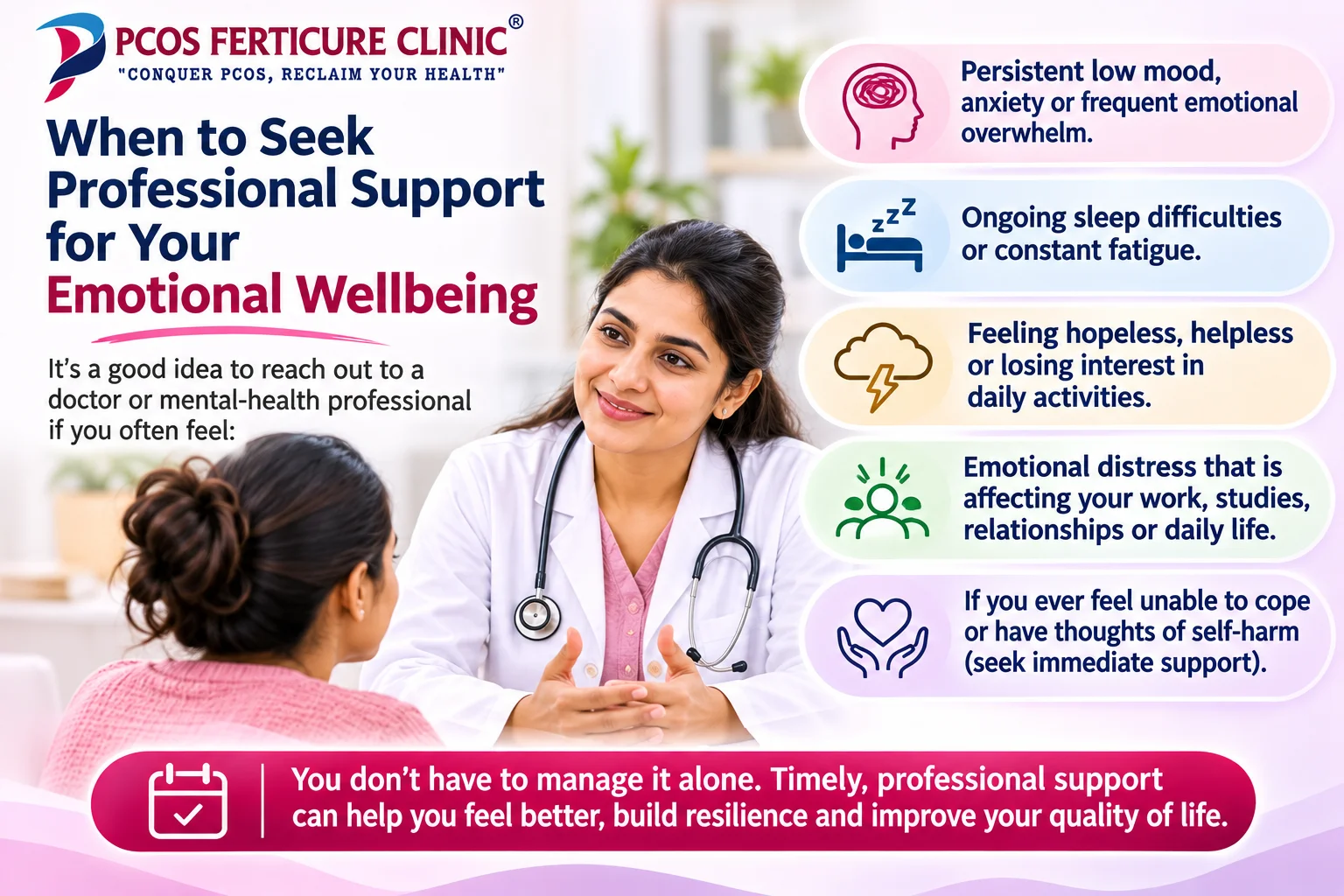
Self-care is vital, but it cannot replace formal clinical mental health support when emotional symptoms become moderate or severe. Knowing who to consult and what treatments work empowers informed decisions:
Clinical Psychologist / Licensed Counselor
Provides evidence-based psychotherapy, including Cognitive Behavioral Therapy (CBT) and Acceptance and Commitment Therapy (ACT), helping restructure distressing thought patterns, improve body image, and build healthy coping mechanisms.
Consultant Psychiatrist
A medical physician who evaluates clinical mood disorders, determines whether pharmacological support (such as SSRIs or SNRIs) is indicated, and ensures psychotropic medications are metabolically compatible with PCOS.
Gynecologist & Reproductive Endocrinologist
Addresses the underlying hormonal and metabolic drivers—restoring menstrual regularity, treating androgen excess, and optimizing insulin sensitivity to reduce biological mood triggers.
9. Immediate Mental Health & Crisis Helplines (India)
If you are experiencing overwhelming despair, intense panic, severe depression, or thoughts of self-harm, please reach out immediately. Free, confidential, and professional support is available 24 hours a day, 7 days a week:
National Tele Mental Health Programme of India. 24/7, toll-free, available in 20+ languages across all states.
Ministry of Social Justice & Empowerment. 24/7 toll-free psychological support, distress management & counseling.
24/7 free professional crisis counseling and mental health intervention via phone call and WhatsApp.
Experiencing Acute, Daily Mood Swings?
If your primary challenge is rapid emotional shifts, sudden irritability, "hangry" anger crashes, or crying spells linked to cycle irregularity and blood sugar dips, explore our dedicated guide focusing on the specific biological and hormonal mechanisms behind PCOS mood swings.
11. Frequently Asked Questions (FAQs)
Is depression more common in women with PCOS?
Yes. Extensive international research indicates that individuals with PCOS have an approximately threefold higher risk of experiencing depressive symptoms compared to individuals without the syndrome. This heightened risk stems from combined neurochemical, metabolic, hormonal, and psychosocial factors.
Why does the 2023 International Guideline emphasize mental health screening?
The 2023 International Evidence-based PCOS Guideline prioritizes routine emotional screening because psychological distress directly impacts treatment adherence, physical health outcomes, and overall quality of life. Early detection through tools like PHQ-9 and GAD-7 ensures patients receive timely psychological support alongside medical care.
How does PCOS affect body image and self-esteem?
PCOS symptoms such as facial hair (hirsutism), androgenetic alopecia (hair thinning), acne, and weight resistance directly challenge conventional societal beauty standards. This discrepancy can trigger appearance-related hypervigilance, social anxiety, and feelings of diminished feminine identity.
Can anxiety in PCOS be caused by insulin resistance?
Yes. Insulin resistance leads to reactive hypoglycemia (sharp drops in blood glucose), which prompts the body to release emergency counter-regulatory stress hormones like adrenaline and cortisol. These neuroendocrine surges produce physical sensations of panic, nervousness, trembling, and acute anxiety.
What type of therapy is most effective for PCOS-related mental health?
Cognitive Behavioral Therapy (CBT) and Acceptance and Commitment Therapy (ACT) are the most thoroughly researched psychotherapies for chronic health conditions. They help patients challenge unhelpful cognitive patterns, navigate body image distress, build self-compassion, and manage chronic illness fatigue.
How can I deal with societal and family pressure regarding pregnancy?
Establishing clear, united boundaries with your partner is crucial. Informing family that medical care is actively in progress under a specialist doctor helps deflect unsolicited advice. Remember that your personal worth is not defined by reproductive timelines.
Can treating PCOS physically improve mental wellbeing?
Yes. Normalizing metabolic balance with insulin-sensitizing therapies, restoring regular ovulatory cycles, and managing hyperandrogenism reduces neuroinflammation and stabilizes neurotransmitter synthesis, frequently resulting in marked improvements in mood and energy.
What is body neutrality and how does it help in PCOS?
Body neutrality shifts focus away from evaluating whether your body looks "attractive" to appreciating what your body does for you each day (breathing, moving, healing). For many women with PCOS, body neutrality is more achievable and relieving than forced positivity.
Are psychiatric medications safe to take with PCOS?
Yes. Modern psychiatric medications (such as SSRIs) can be safely utilized when indicated for moderate to severe anxiety or depression. It is essential for your psychiatrist and gynecologist to communicate so that medications with minimal metabolic or weight side effects are selected.
Where can I get emergency mental health support in India?
In India, free 24/7 confidential crisis support is available via Tele-MANAS (14416 or 1800-891-4416), the KIRAN Mental Health Helpline (1800-599-0019), and the Vandrevala Foundation (+91 9999 666 555).
Dr. Shabnam Sharjil
MBBS | 3 Years DNB Training (Obstetrics & Gynaecology)Dr. Shabnam Sharjil is dedicated to providing comprehensive, empathetic care for Polycystic Ovary Syndrome, reproductive health, and metabolic balance. She believes in treating the whole person—integrating medical evidence, lifestyle guidance, and psychological wellbeing at PCOS Ferticure Clinic.
Explore Related PCOS Health Guides & Tools:
→ PCOS Mood Swings Guide
Acute hormonal and glycemic causes of emotional volatility and daily irritability.
→ Fertility Readiness Tool
Interactive assessment for couples preparing for conception with PCOS.
→ Comprehensive PCOD Guide
Evidence-based diagnosis, diet, lifestyle, and medical therapies.
→ Patient Experiences
Real stories of resilience, symptom management, and recovery.